Where do I even begin?
We’ve been traveling through South America for 2 months, visiting 4 countries: Brazil, Argentina, Uruguay, and Chile.
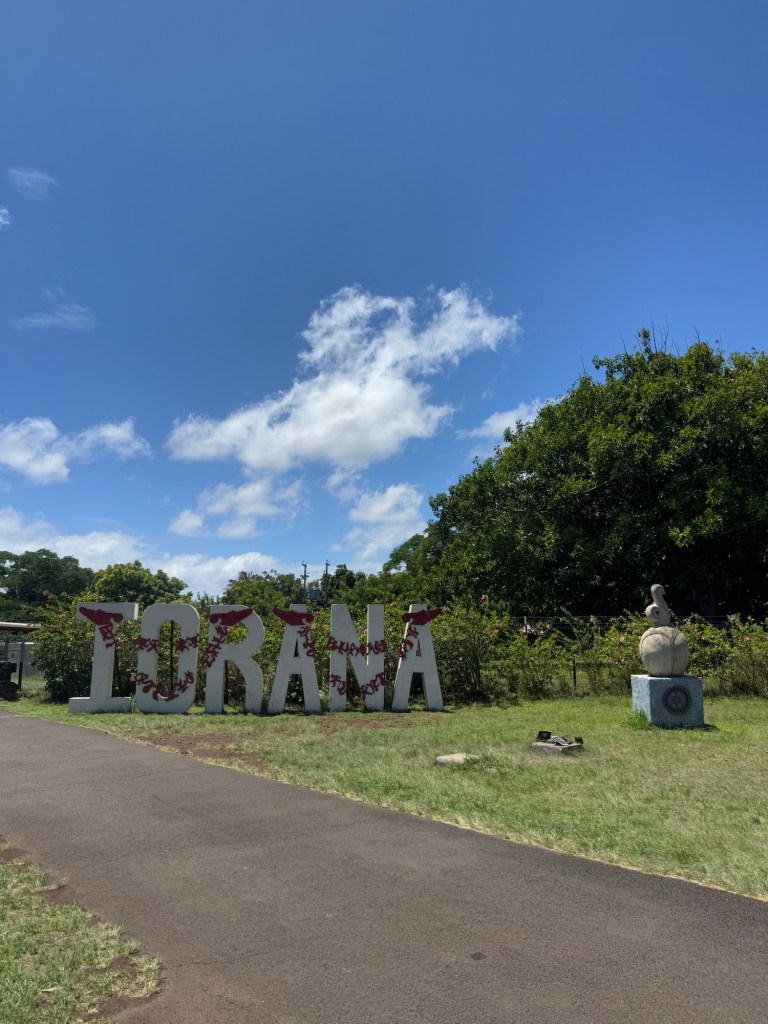
While planning the trip, I kept in the back of my mind that I’d be closer than ever to one of my dream destinations – Rapa Nui (indigenous name), or as it’s officially called, Easter Island.
Most people know it for the mysterious Moai statues, but there’s so much more to this island: its remoteness, its culture, and the energy that’s impossible to put into words.
Rapa Nui earned the name Easter Island after Dutch explorer Jacob Roggeveen landed here on Easter Sunday, April 1722. Located in the middle of the Pacific Ocean, it’s one of the most remote inhabited islands in the world — around five hours by plane from mainland Chile.
Getting there
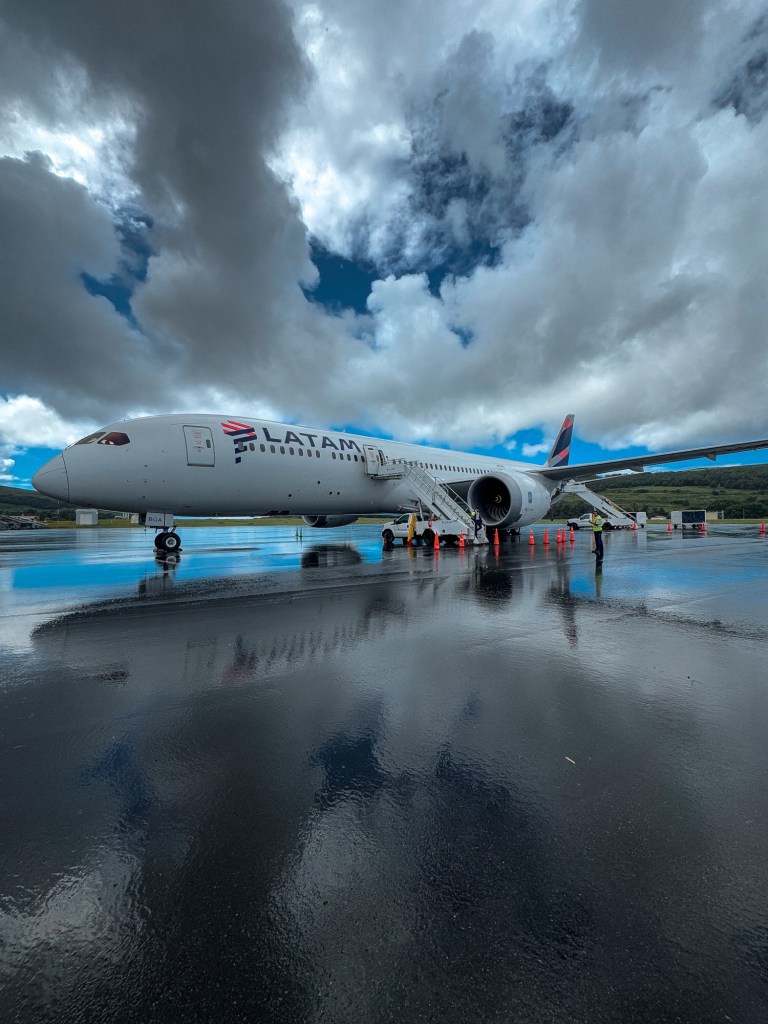
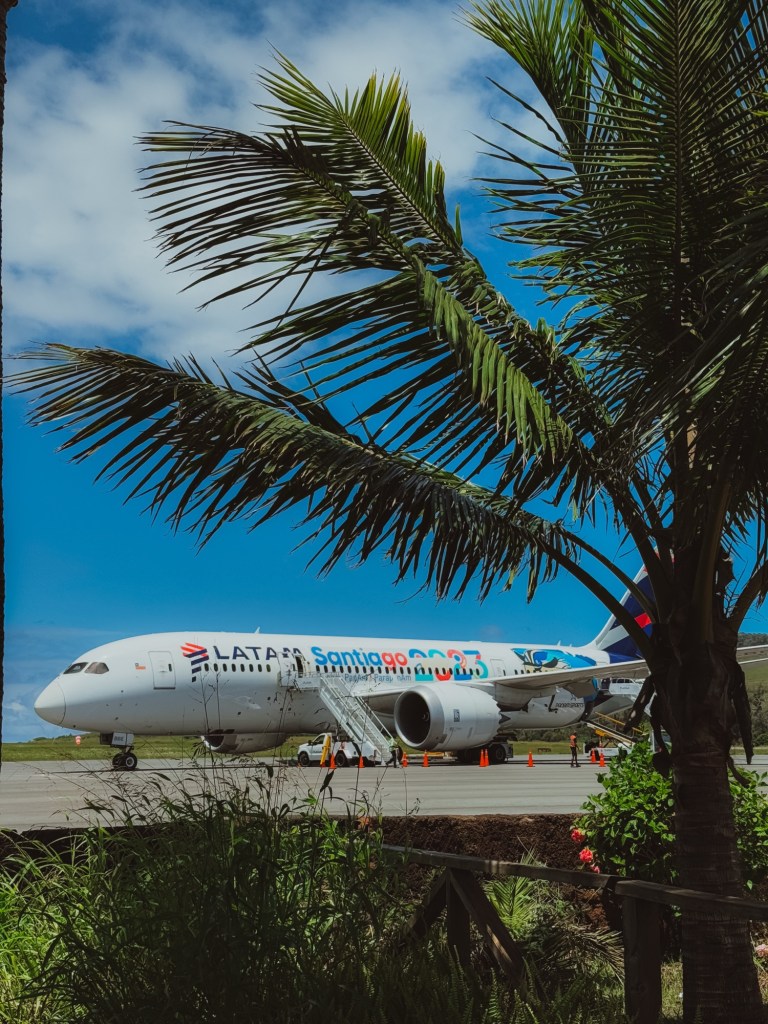
There’s only one city in the world with a direct connection to Rapa Nui, and that’s Santiago de Chile. Only one airline, LATAM, operates this route, so I stared at those expensive flights for a long time, unsure whether it was worth it (my heart said yes, but my wallet had doubts).
The roundtrip ticket usually costs between 300€ and 700€, and for the period I chose (early February), the price was on the higher end. Of course, there’s a reason for that: February is when the island’s biggest festival, Tapati, takes place.
In the end, I followed my heart and booked the tickets – 600€ per person, roundtrip from Santiago.
Accomodation
We decided to spend 5 days on the island and started looking for accommodation. There’s only one village on the island – Hanga Roa – and nearly all the accommodations are located there. Honestly, no matter which guesthouse you choose, the experience will be unforgettable. The island has such a unique vibe and stunning nature. There are no big hotel chains, which helps preserve its charm.
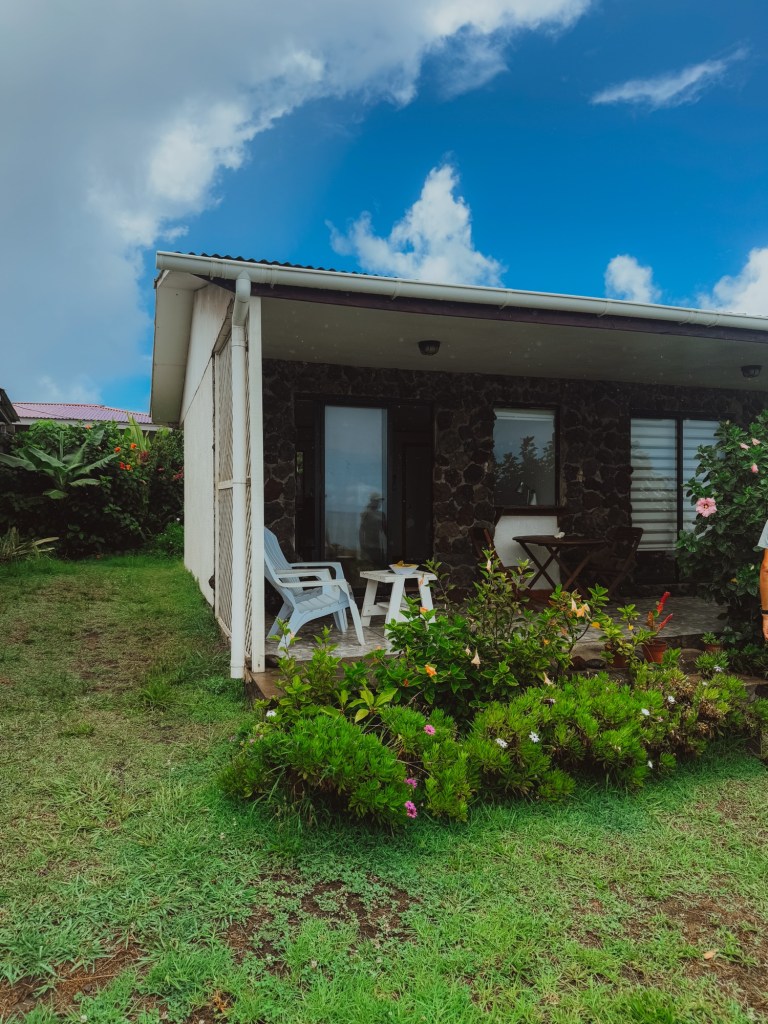
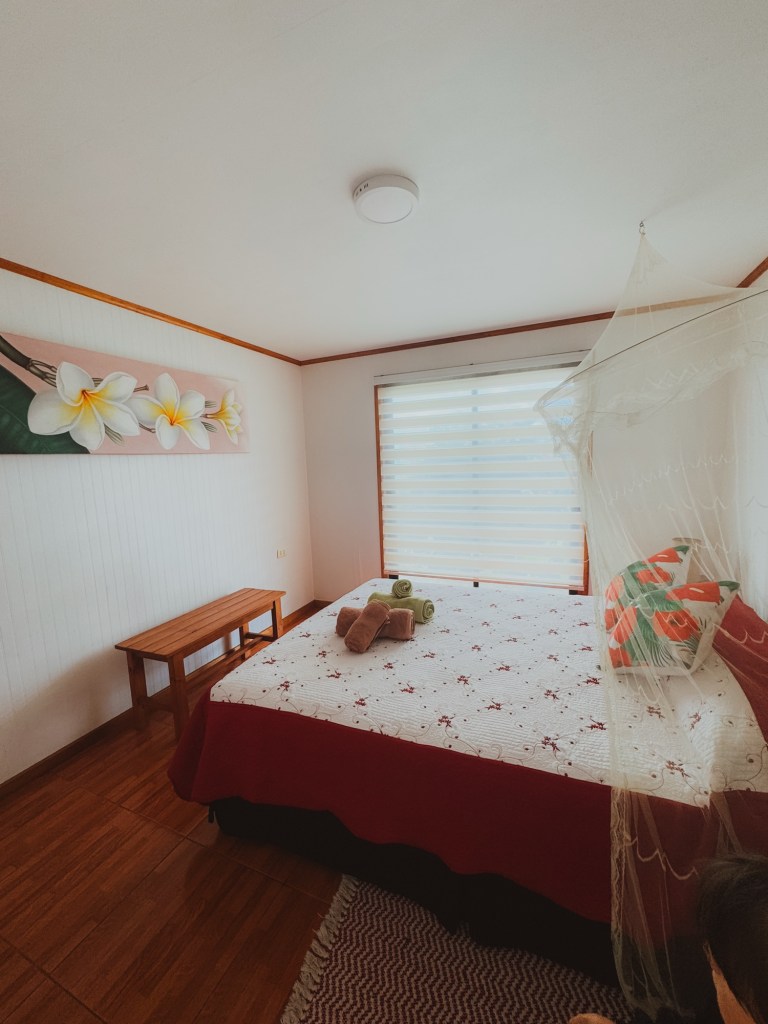
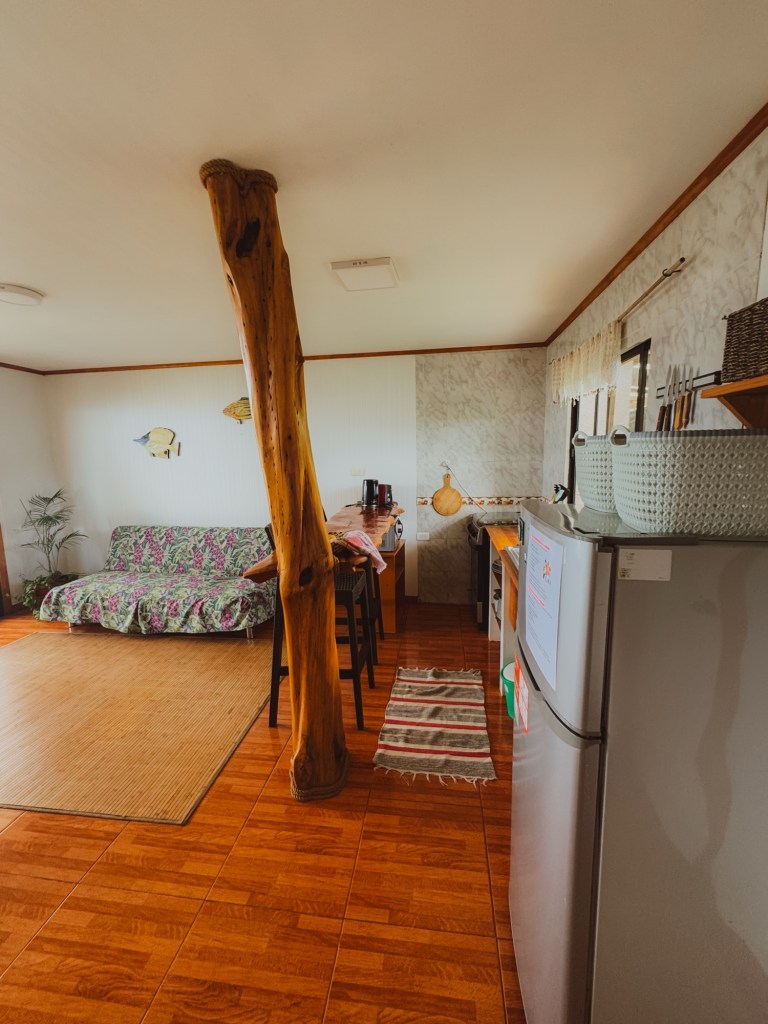
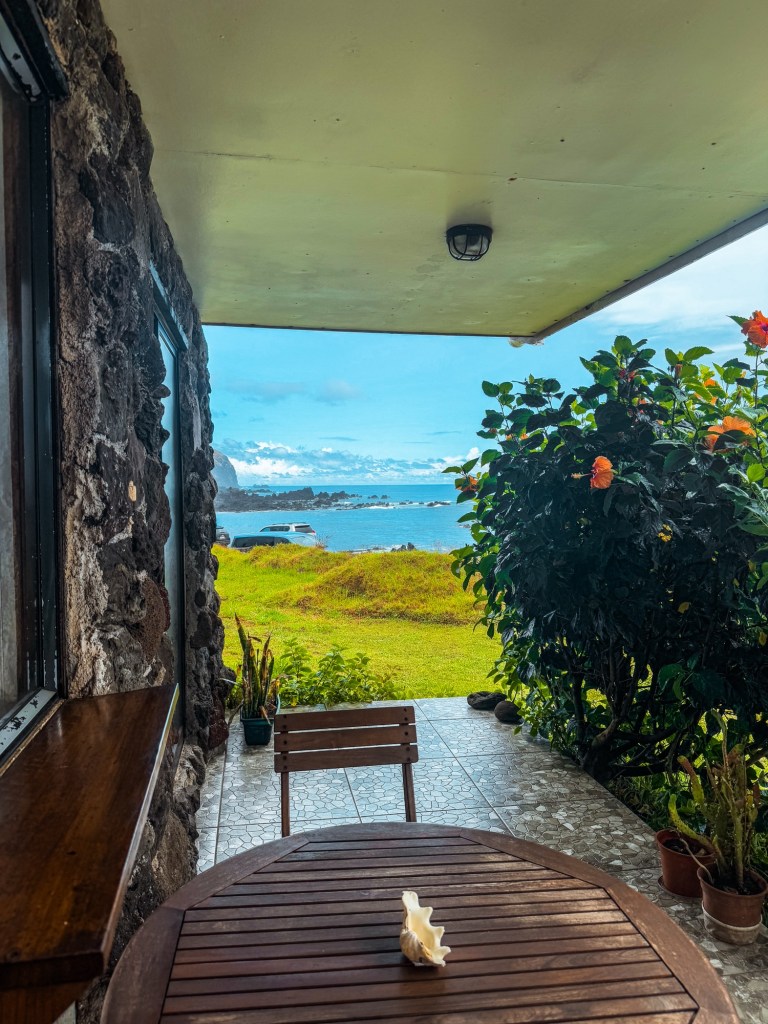
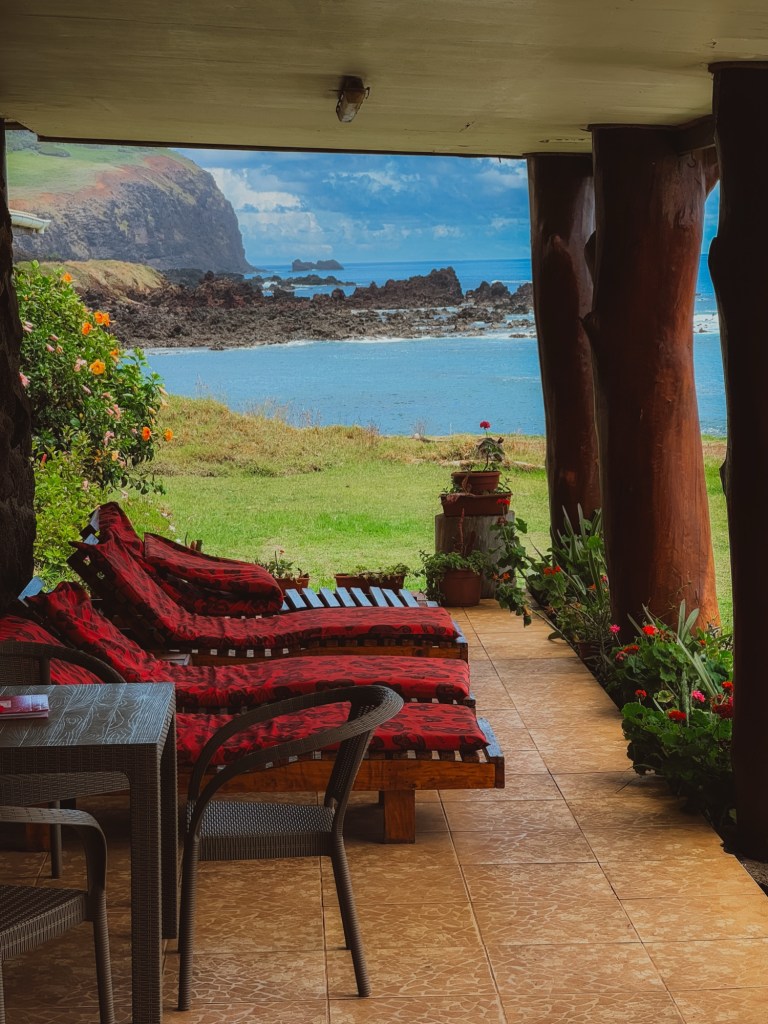
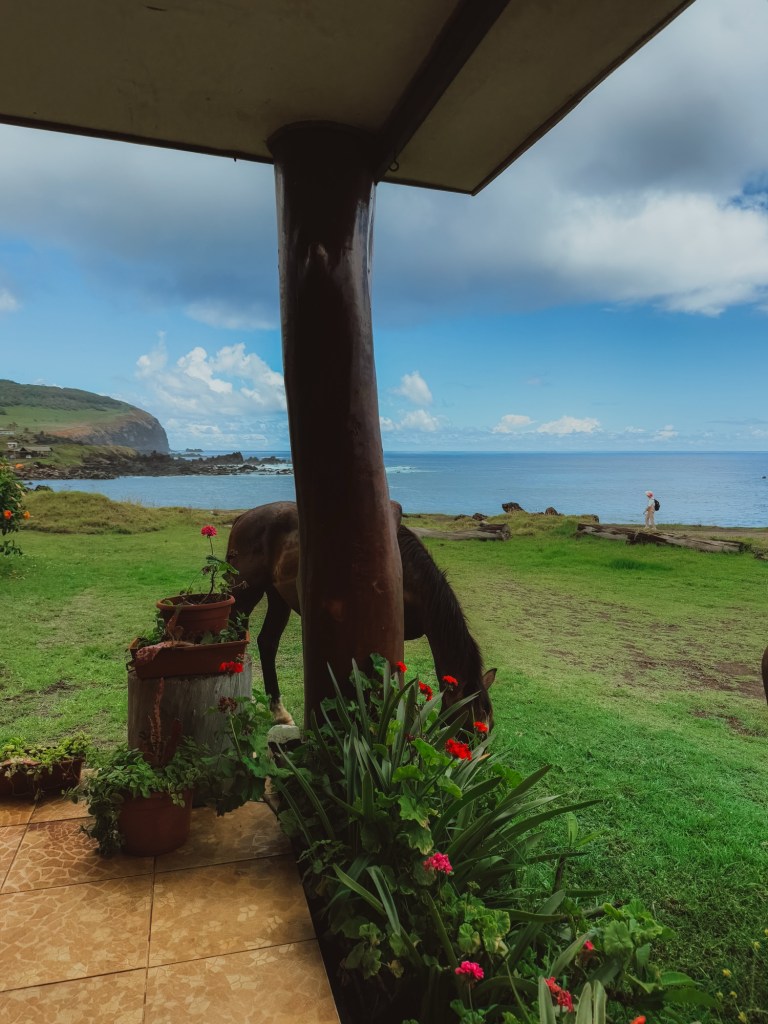
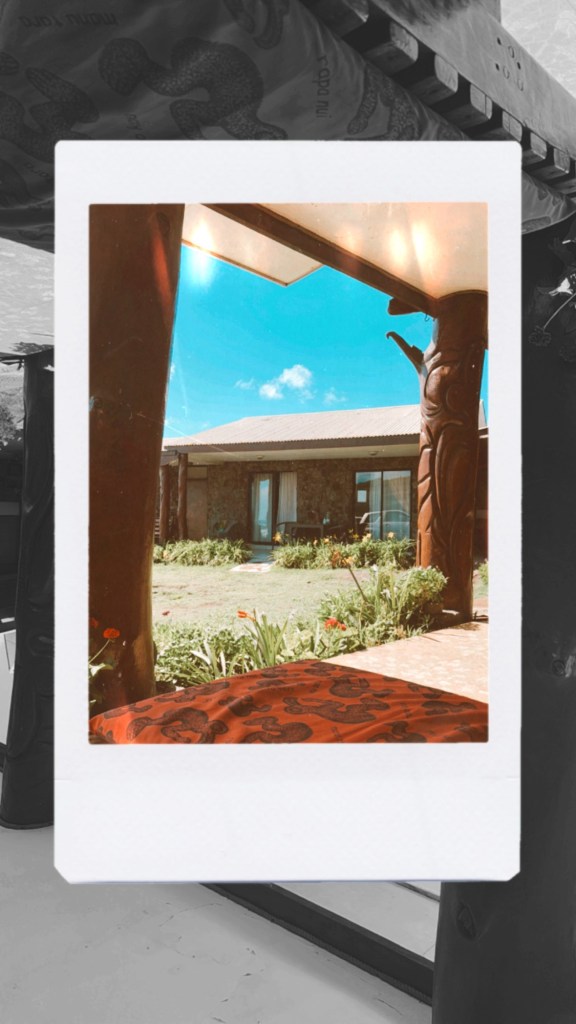
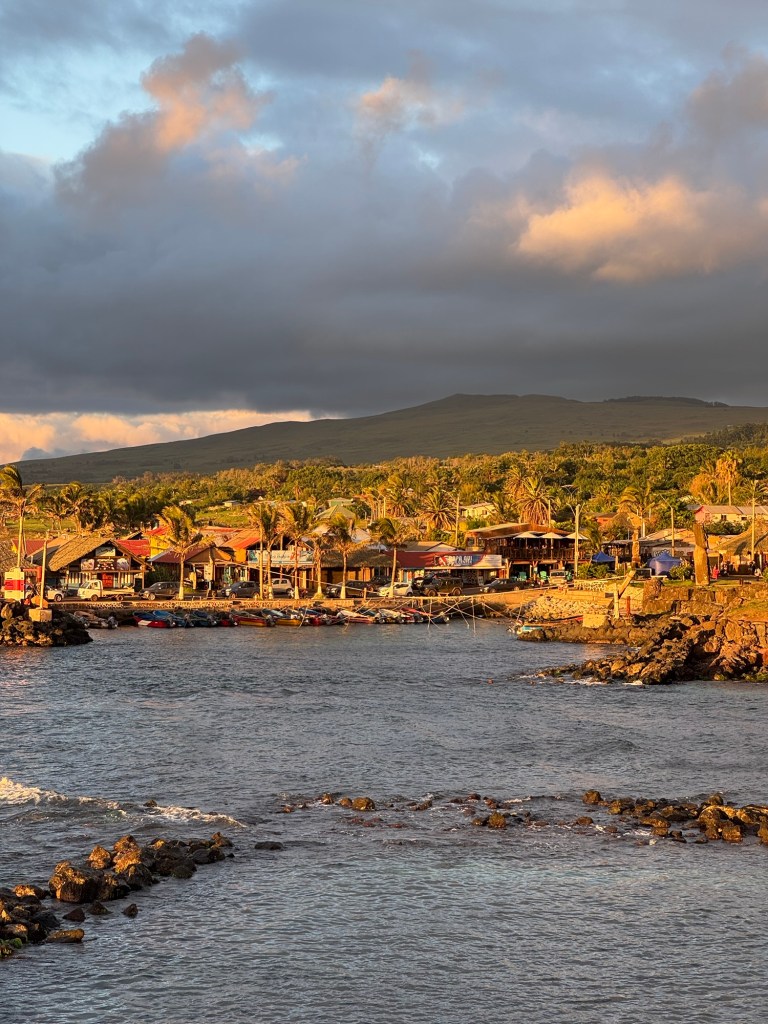
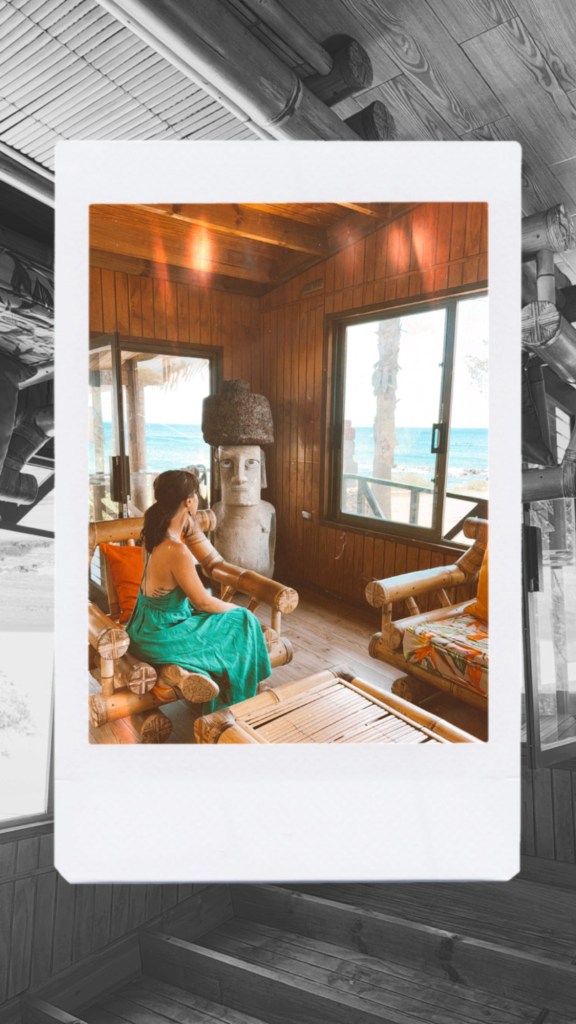
We stayed at Tojika Hostel, drawn by its great reviews and the breathtaking view in the photos (the reality was even better!). We booked a private bungalow with sea view. The hostel is about a 15-minute walk from the village center.
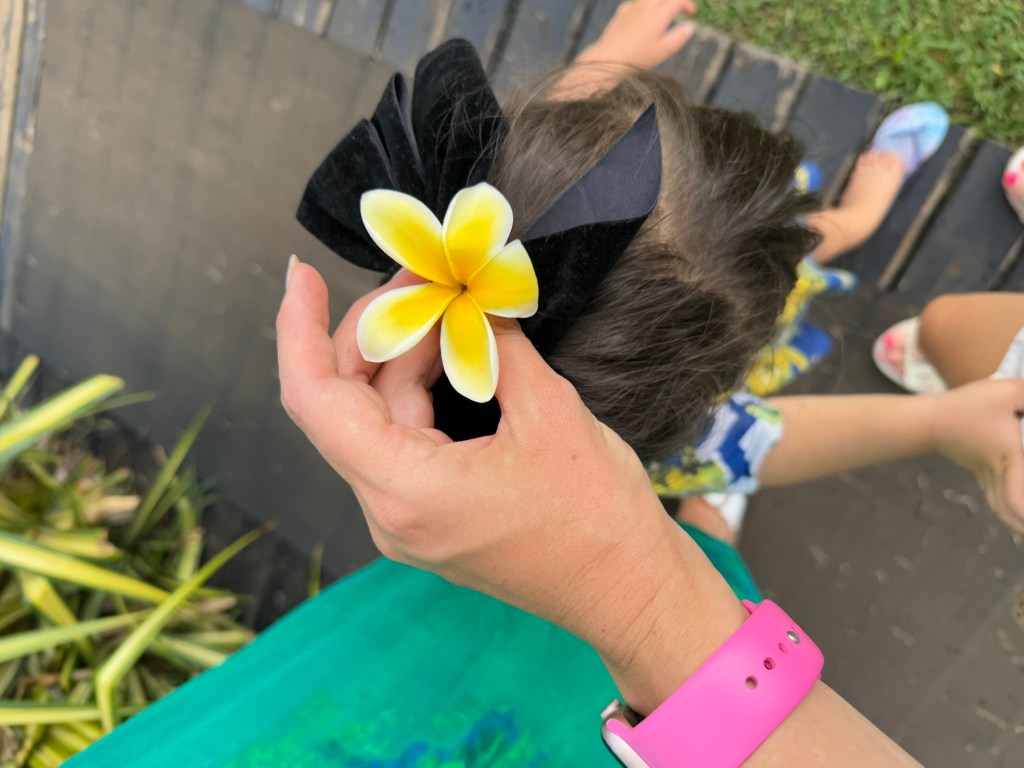
Our host was incredibly kind and went above and beyond: free airport shuttle, a flower necklace on arrival, a fruit basket and fresh juice in the room, a rental car when we needed one, laundry service, drinking water (for a fee), and even sliced fruit for our beach day. The hospitality was next level.
Day 1 – Arrival & Hanga Roa
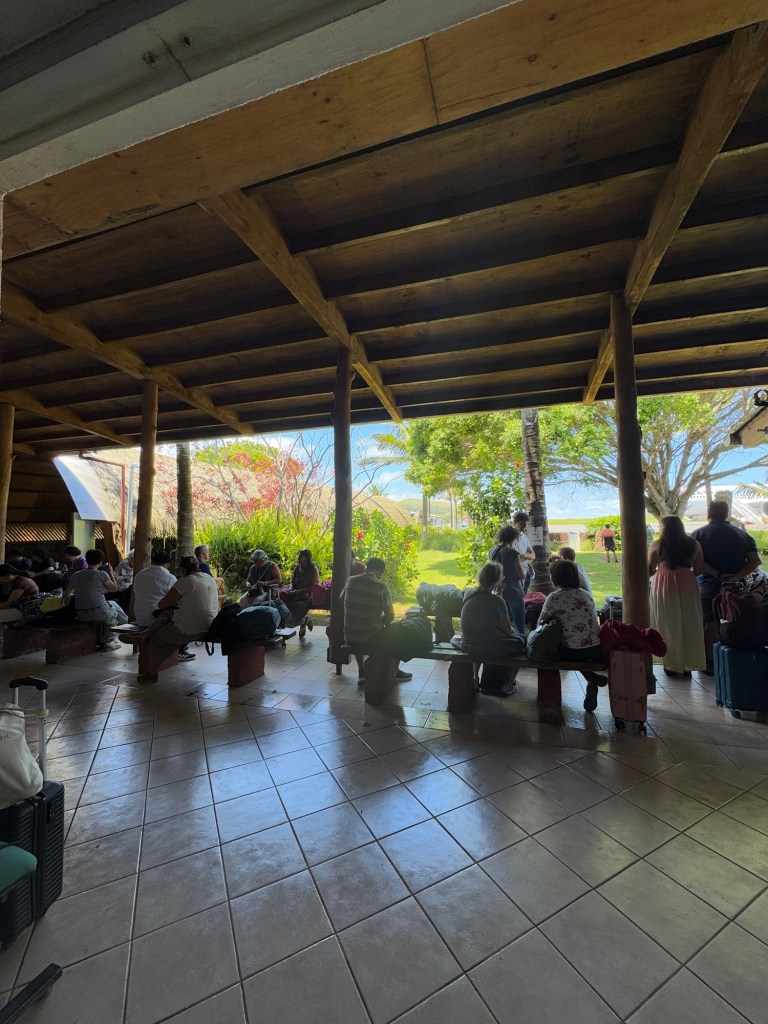
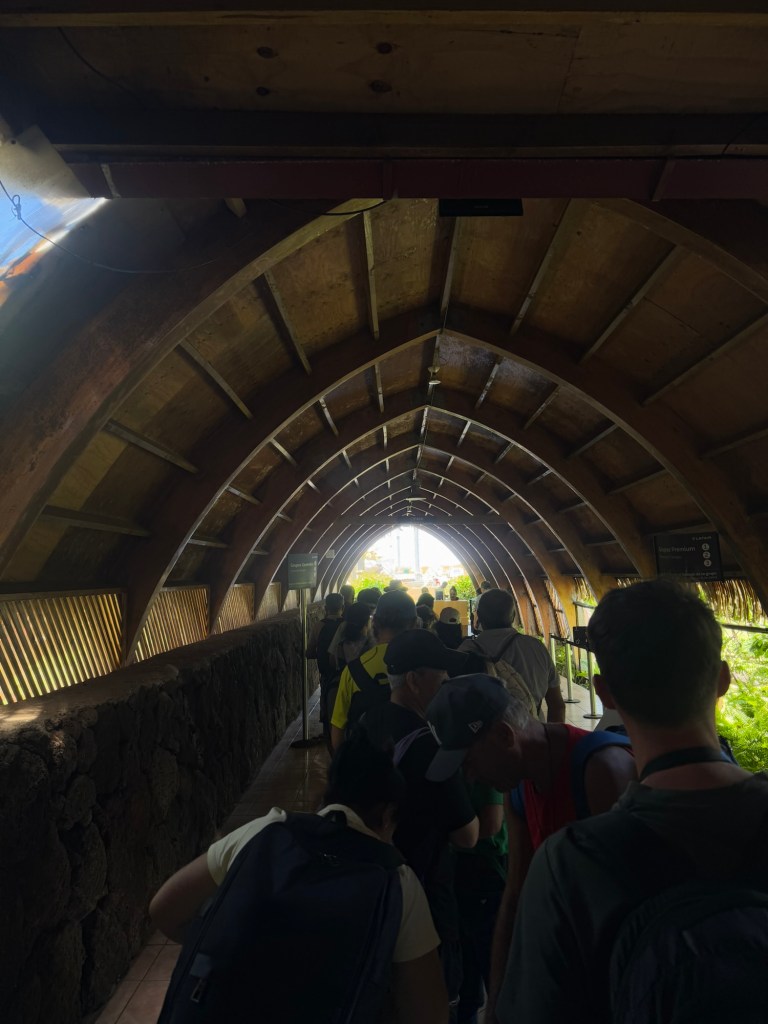
We caught an early flight from Santiago de Chile, and there’s a separate line at the airport specifically dedicated to flights to Easter Island – make sure you filled in the form before the flight. Although it’s a domestic flight, it’s mostly handled like an international one. No fruits are allowed to be brought into or out of Easter Island, so be mindful of that. The flight takes approximately 5 hours.
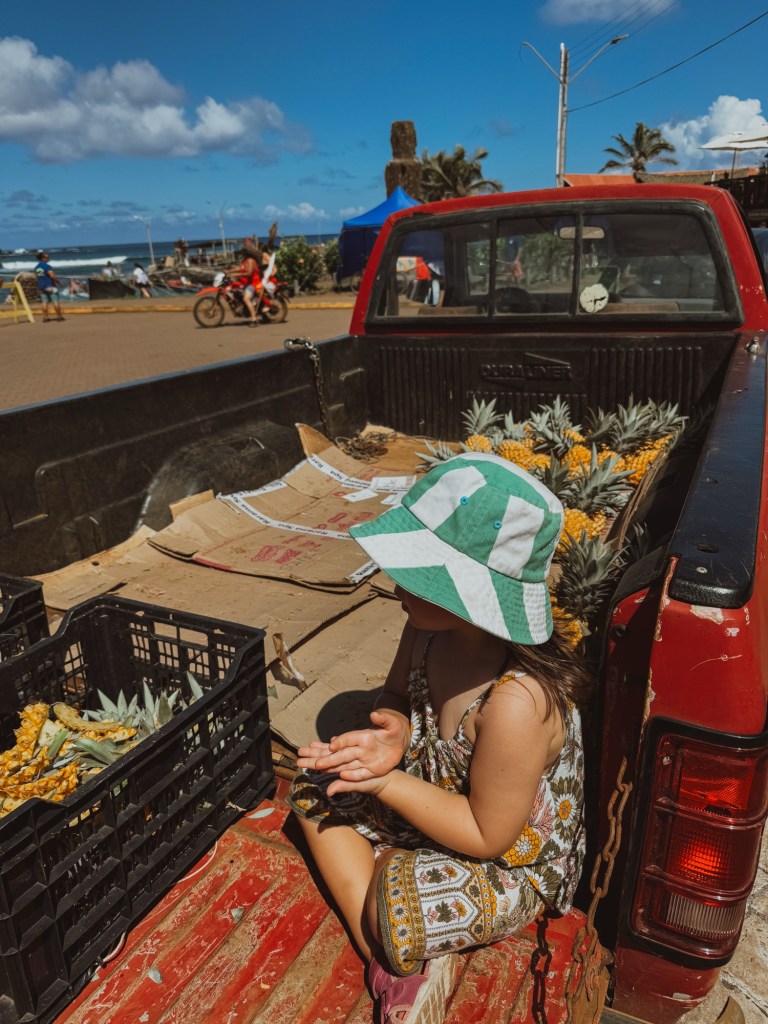
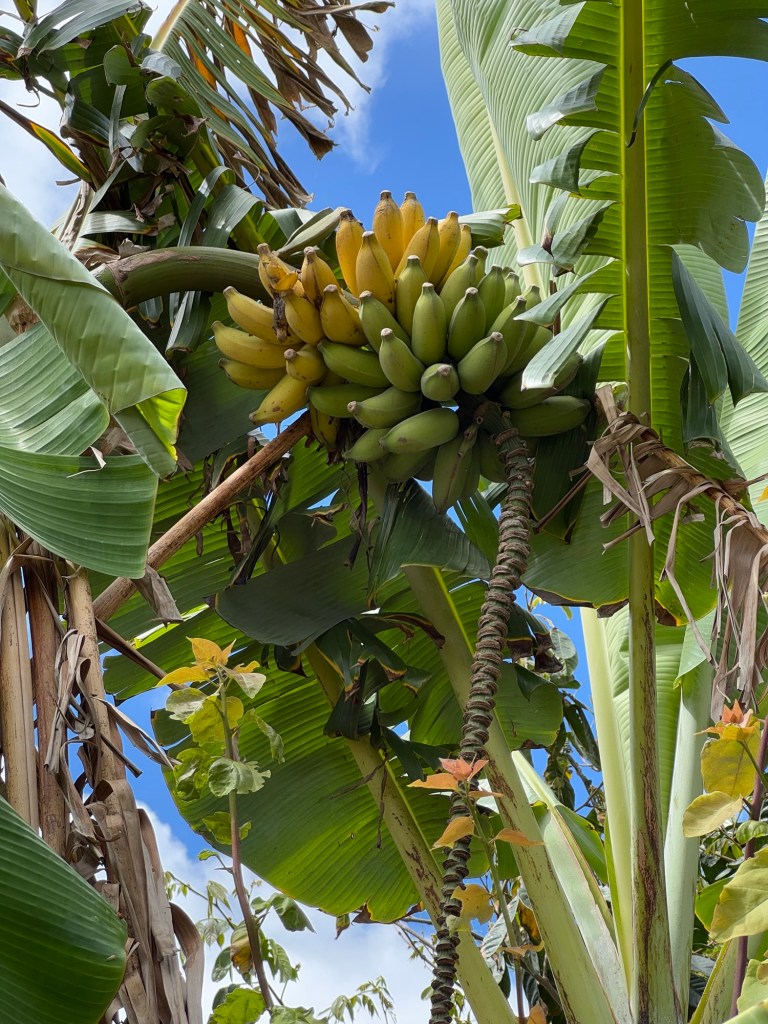
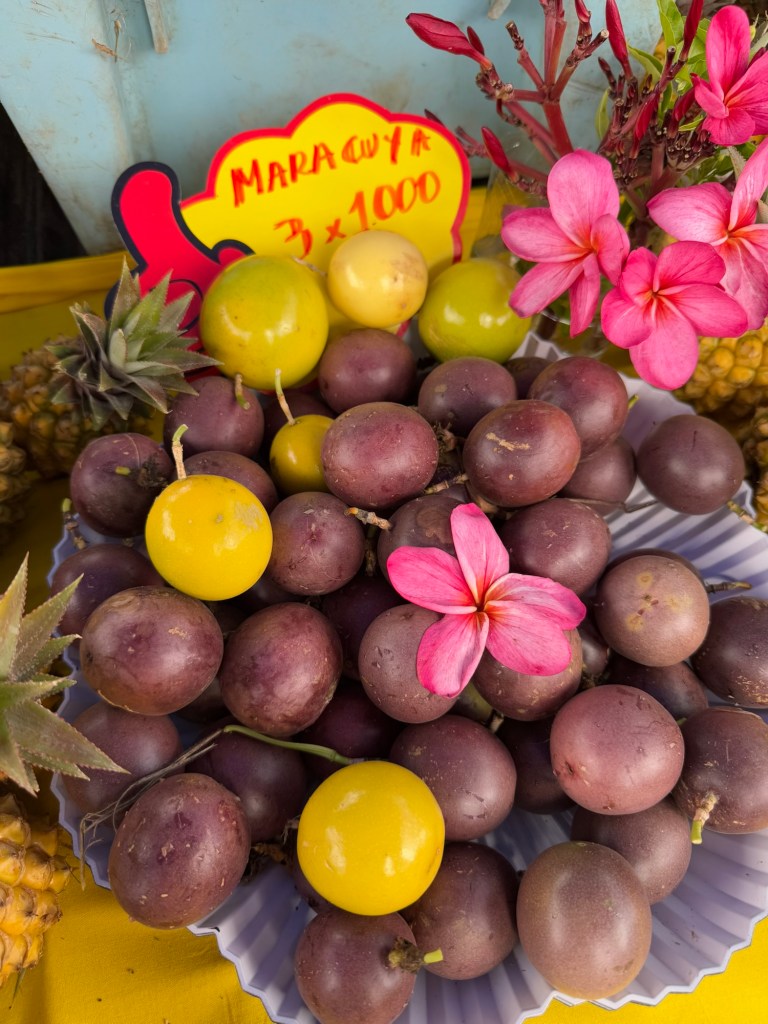
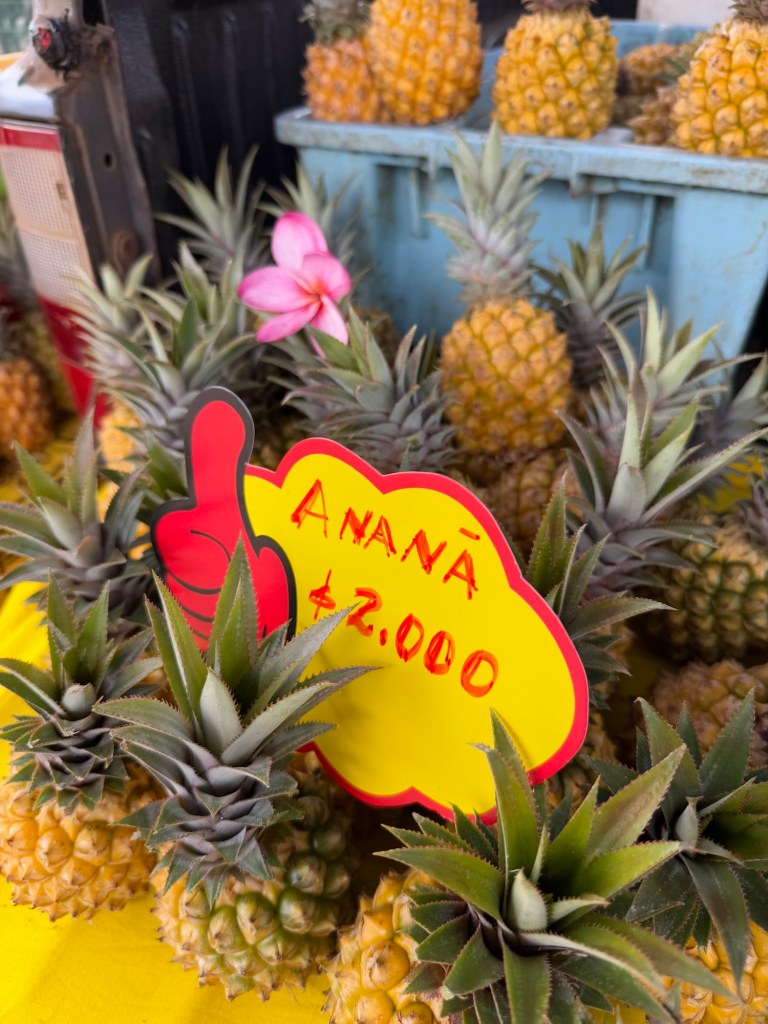
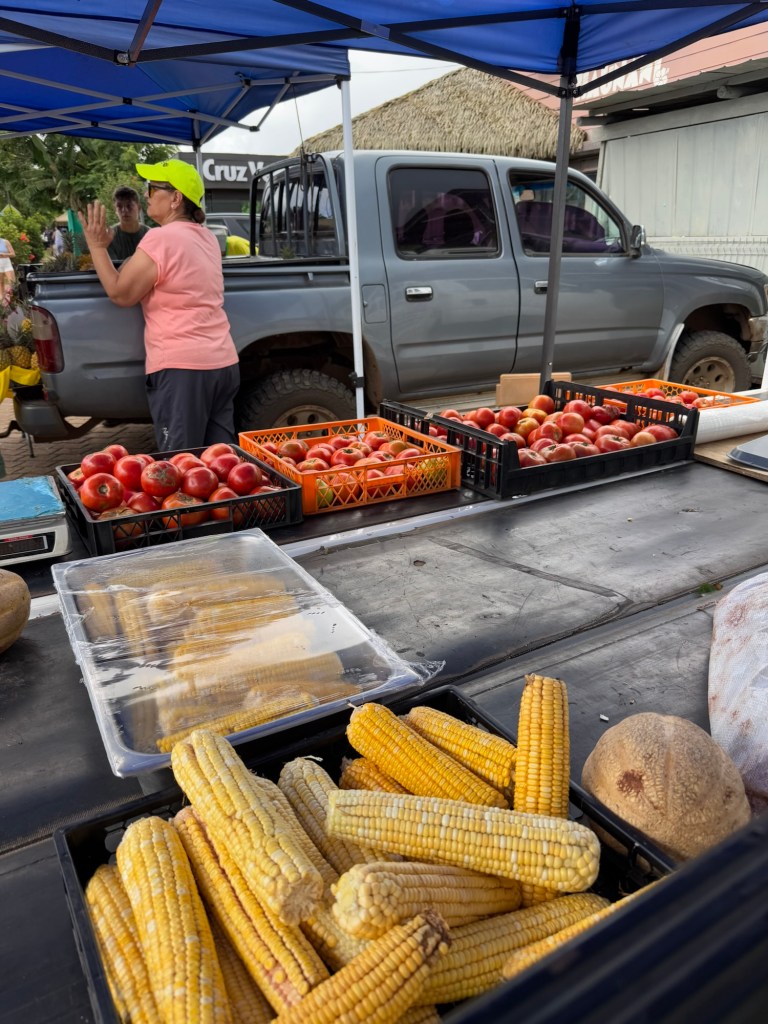
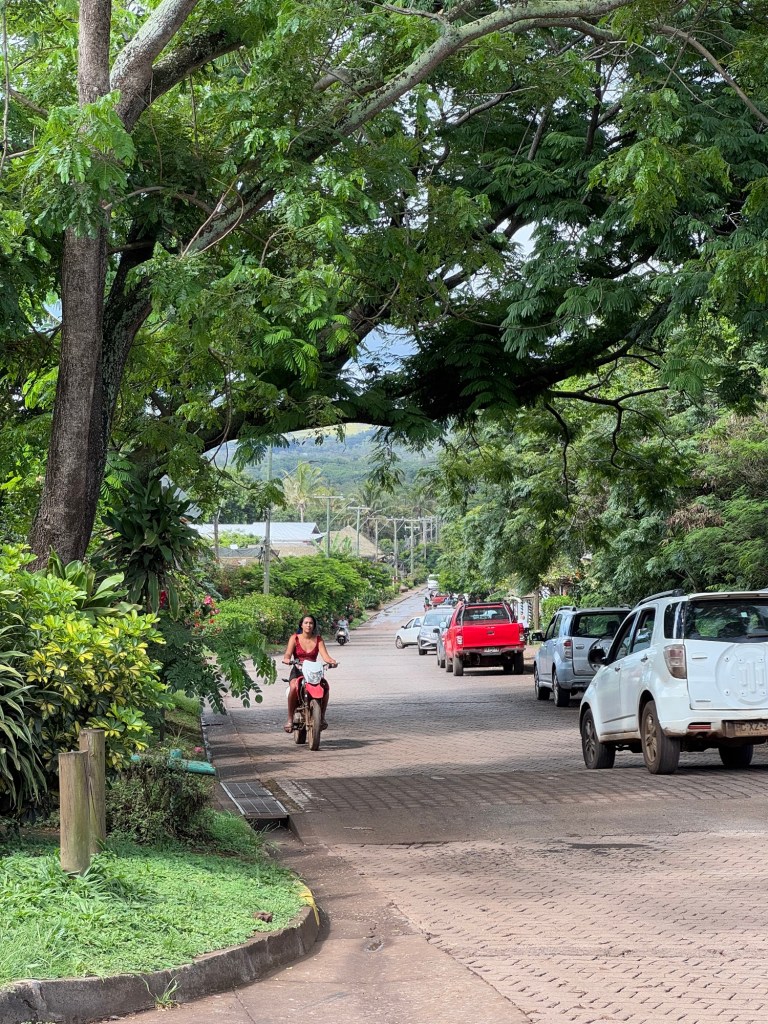
After checking in, we walked around the village and shopped for breakfast for the next mornings. Supermarket prices were decent, but we were advised to buy fruits and vegetables from street vendors since the supermarket produce is imported, while local ones are fresher and more flavorful.
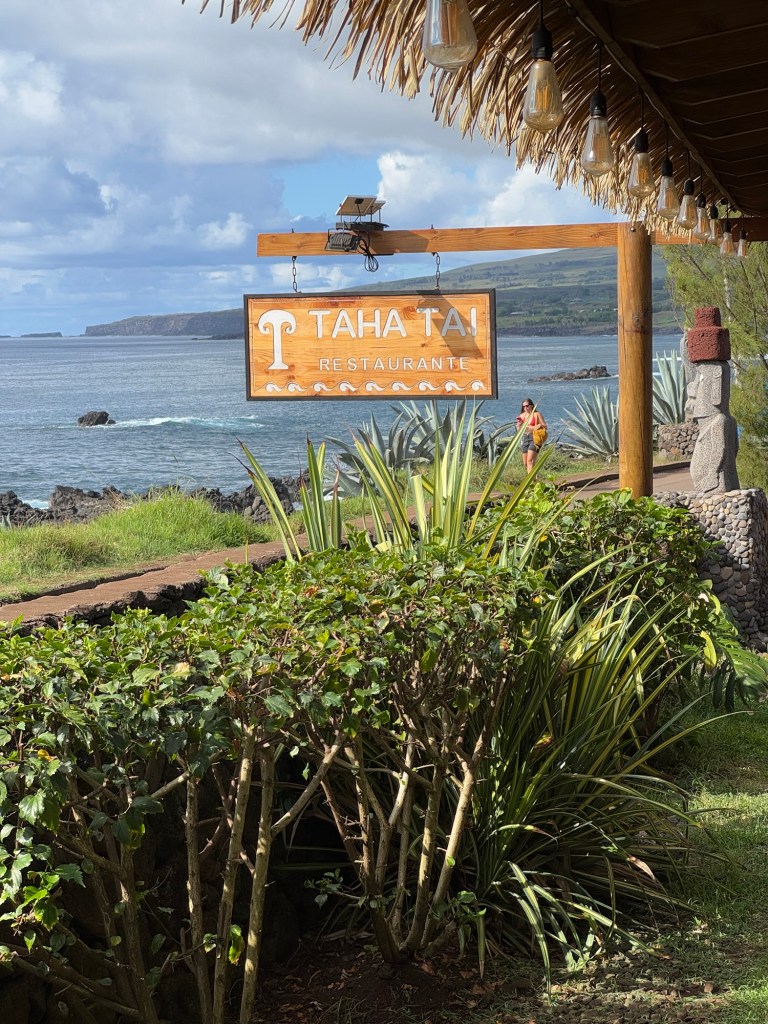
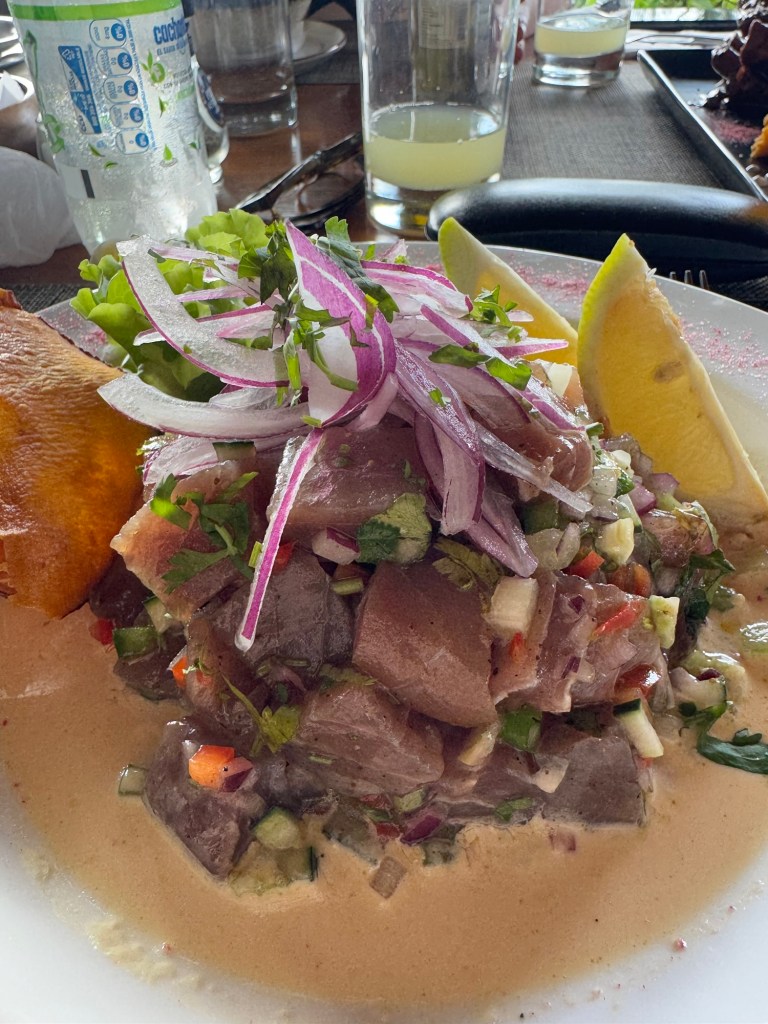
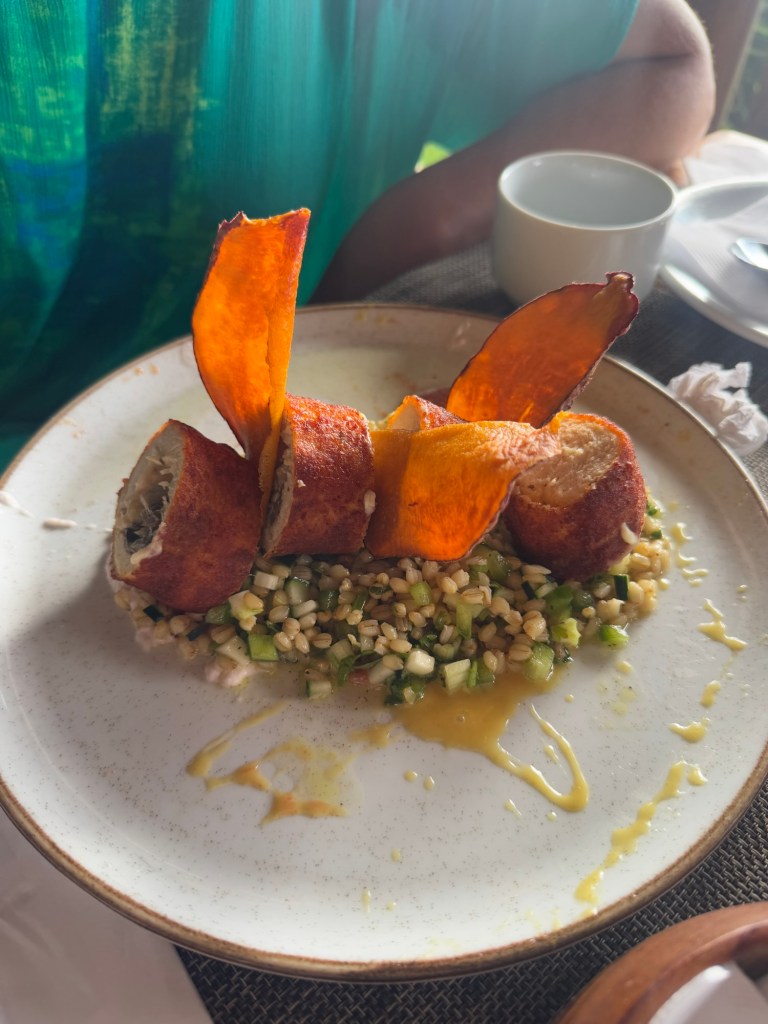
Dinner at Taha Tai – highly recommended!
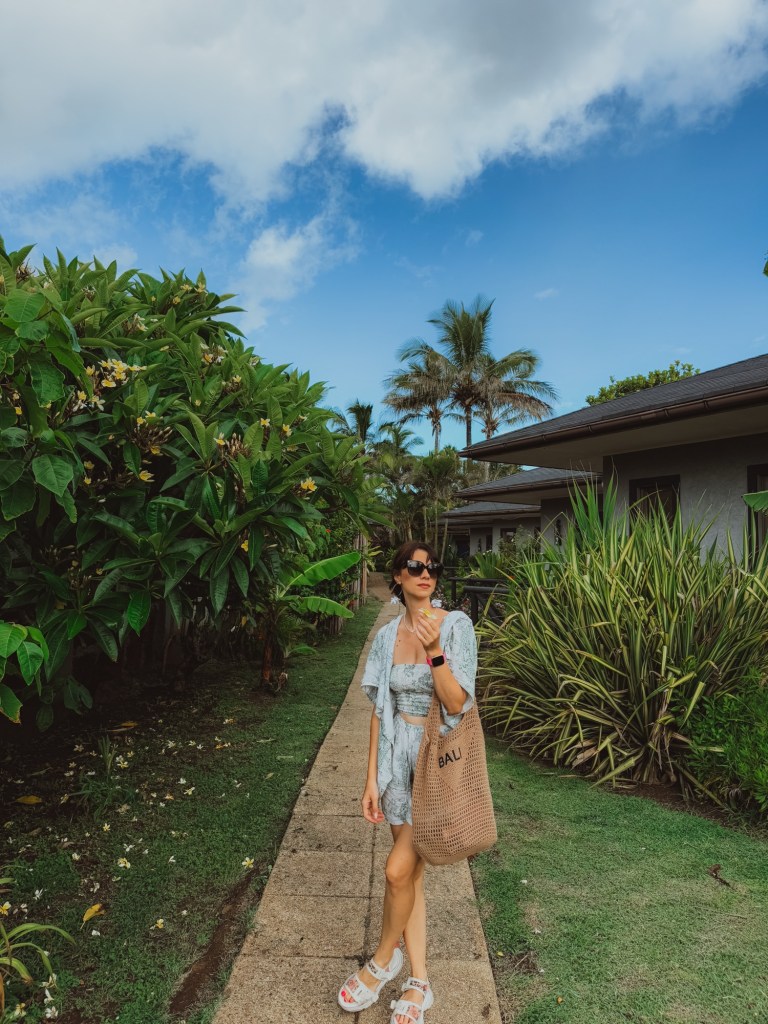
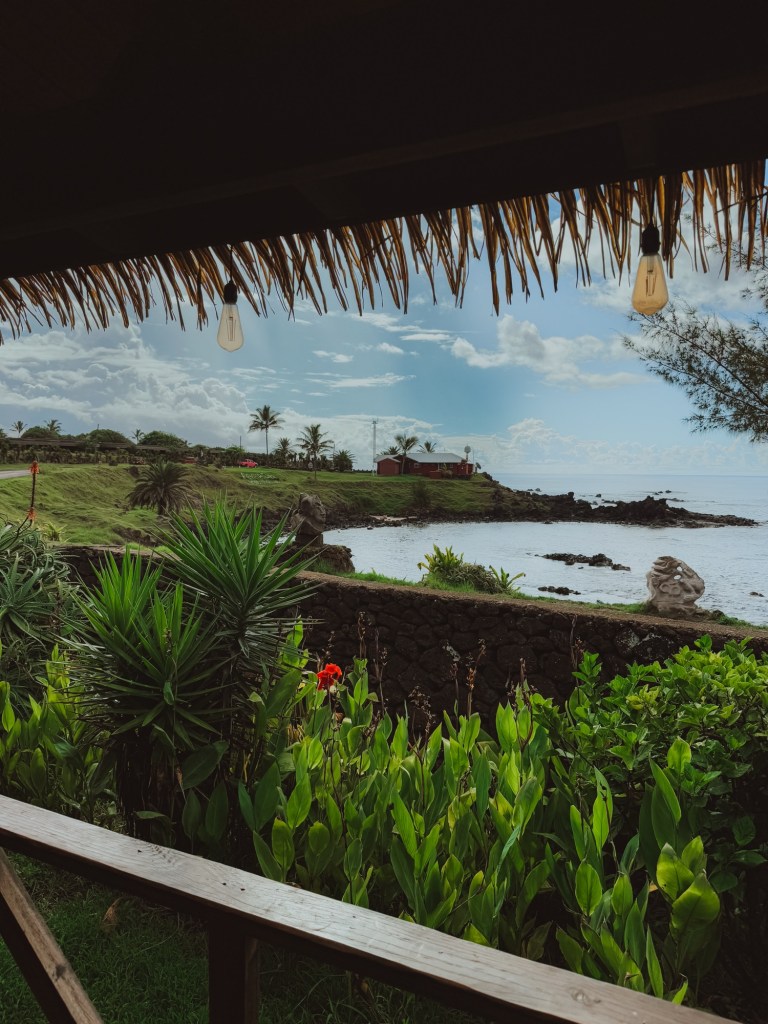
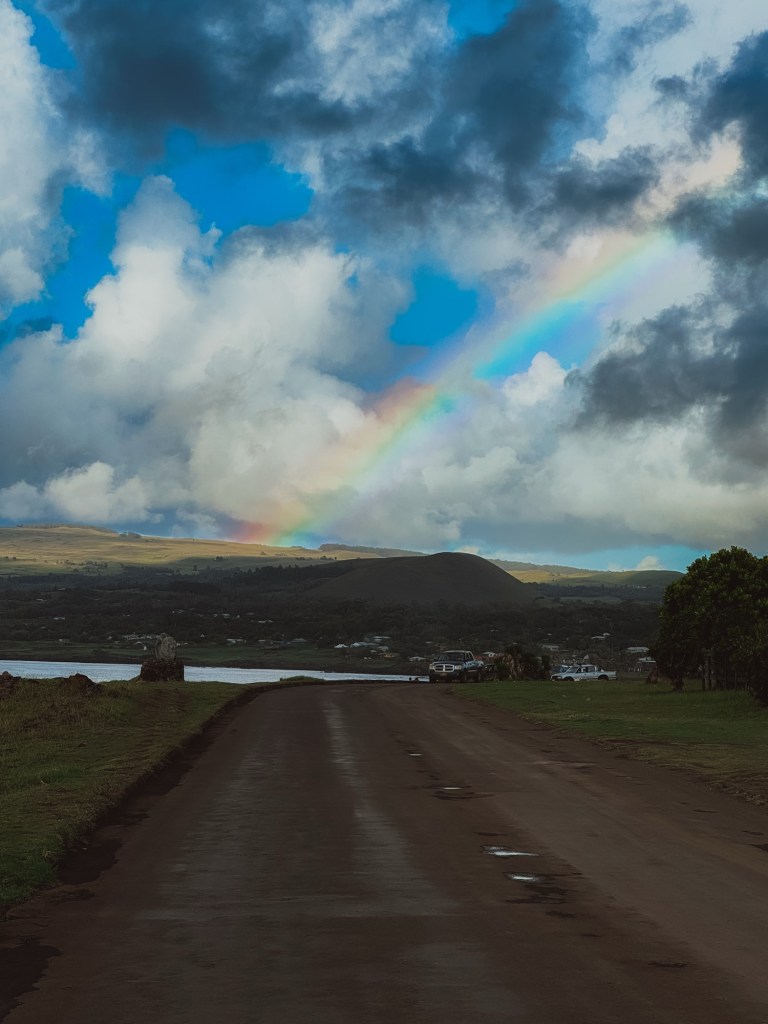
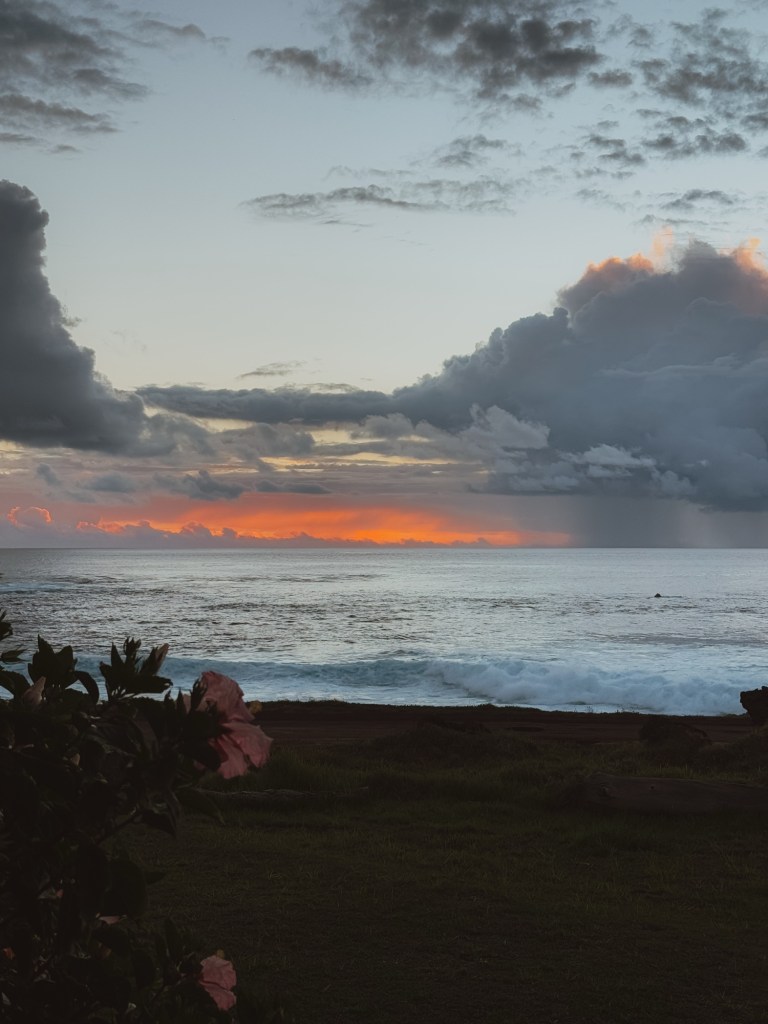
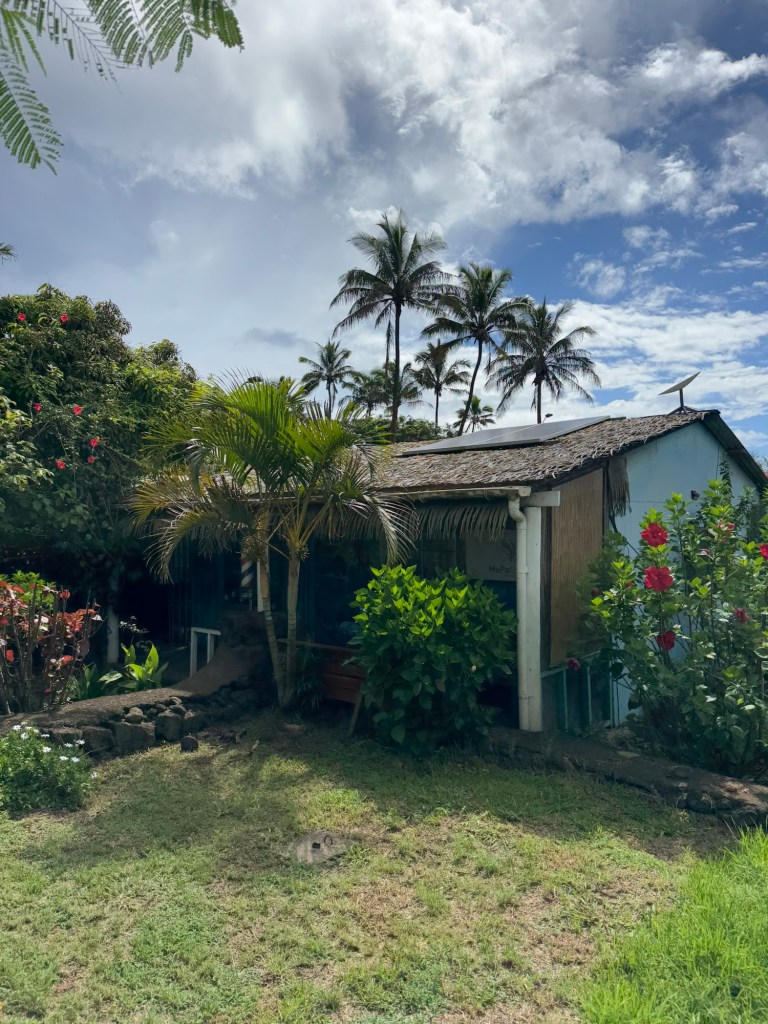
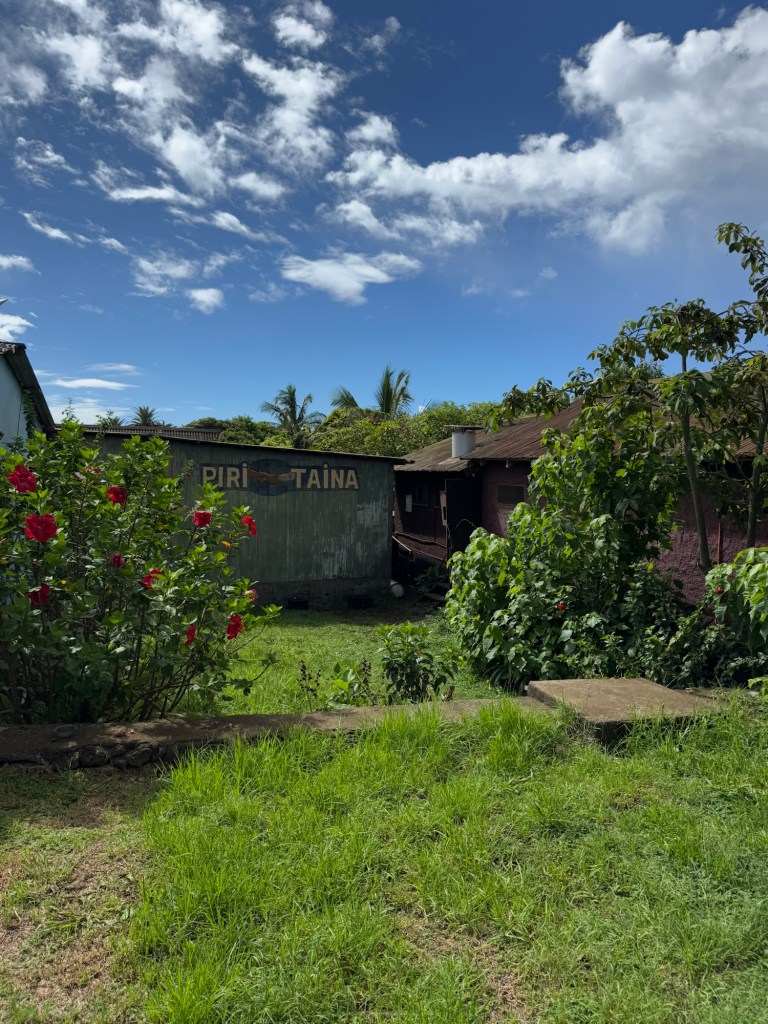
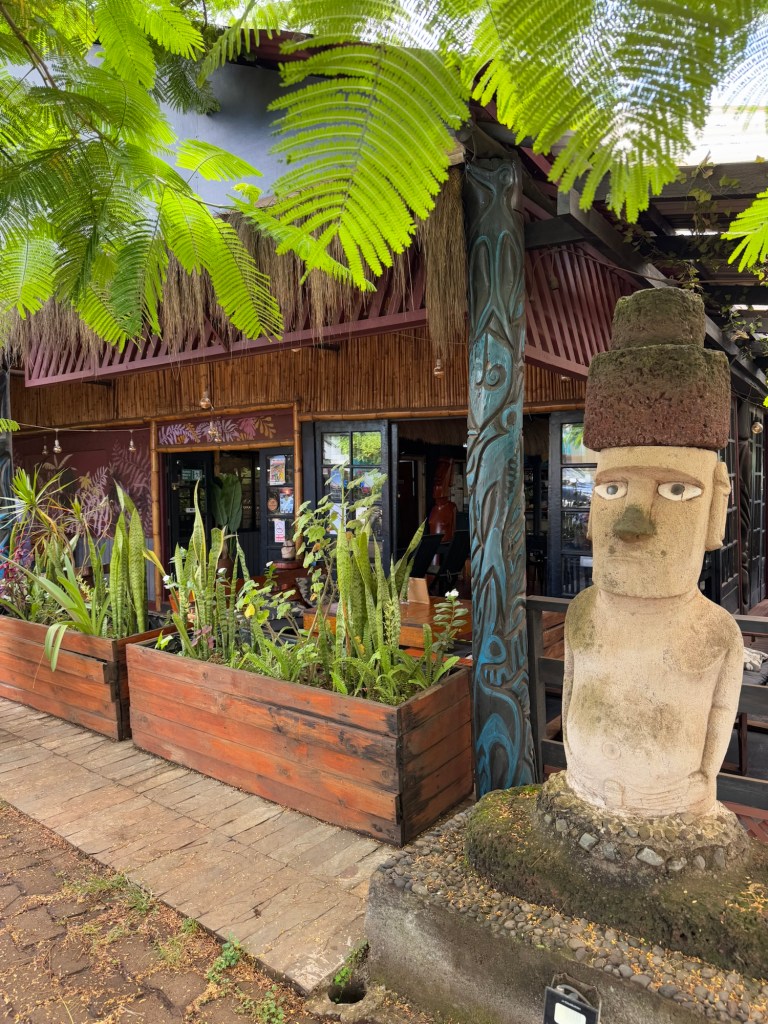
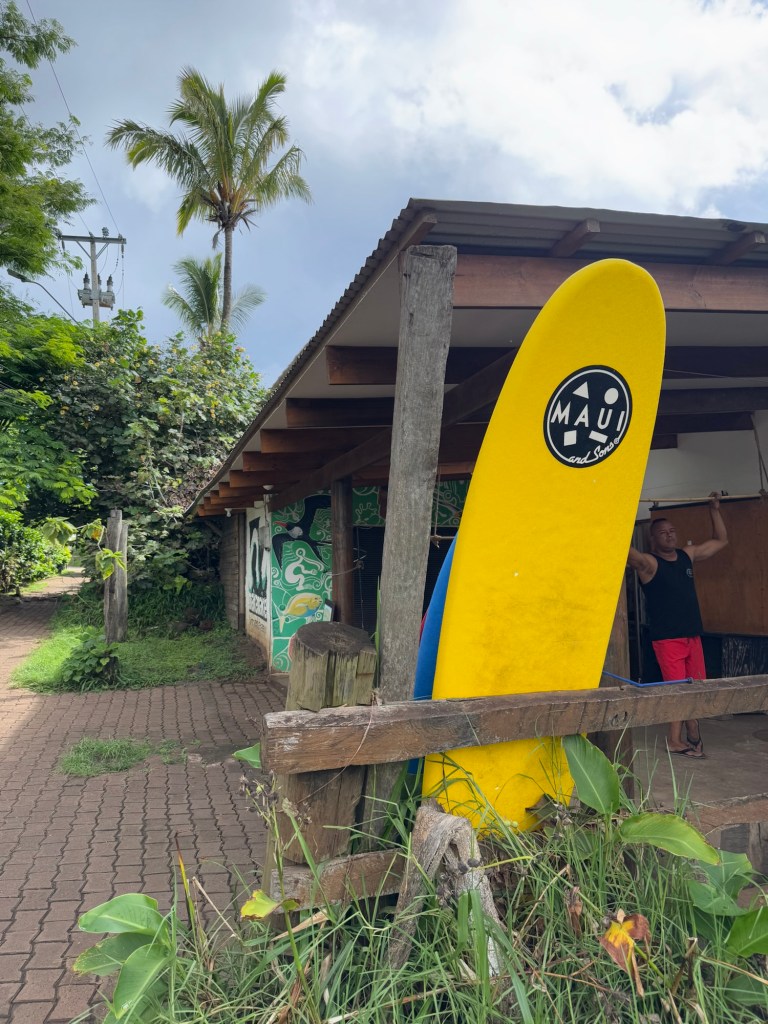
Day 2 – Anakena
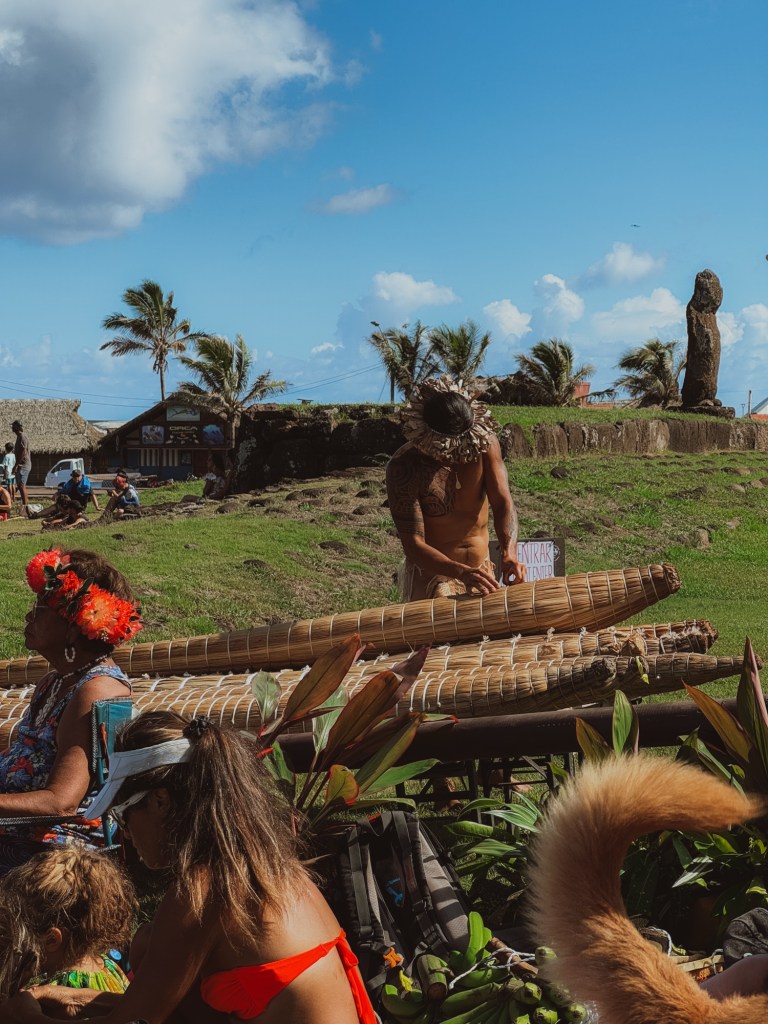
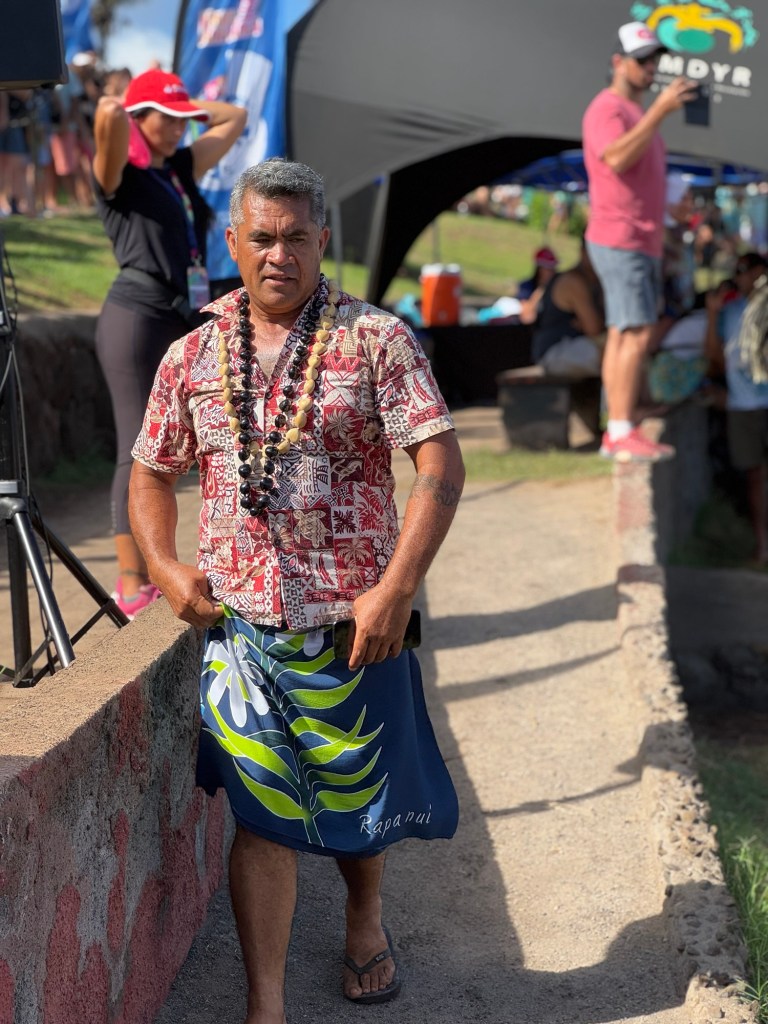
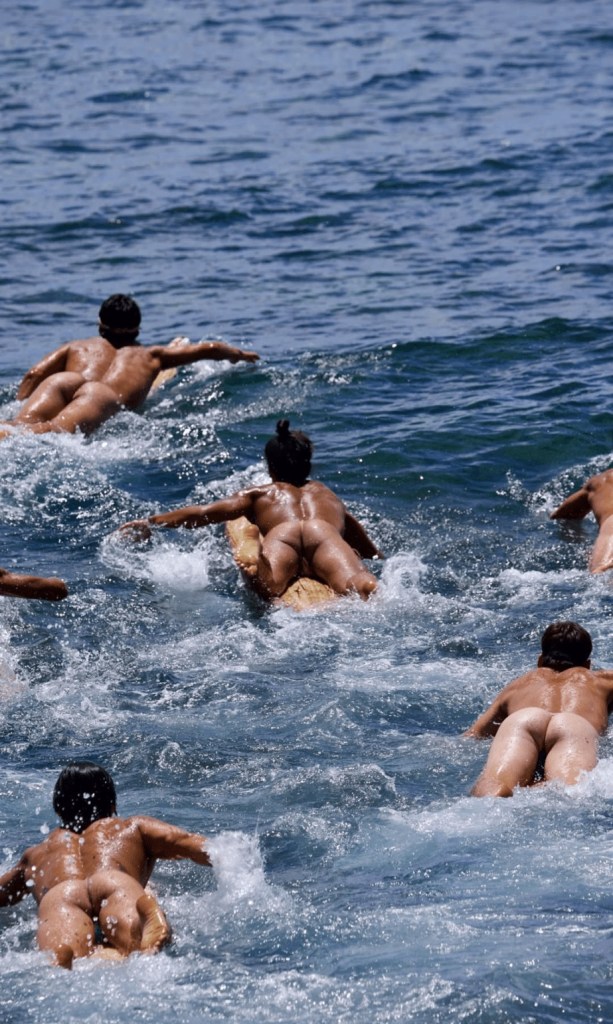
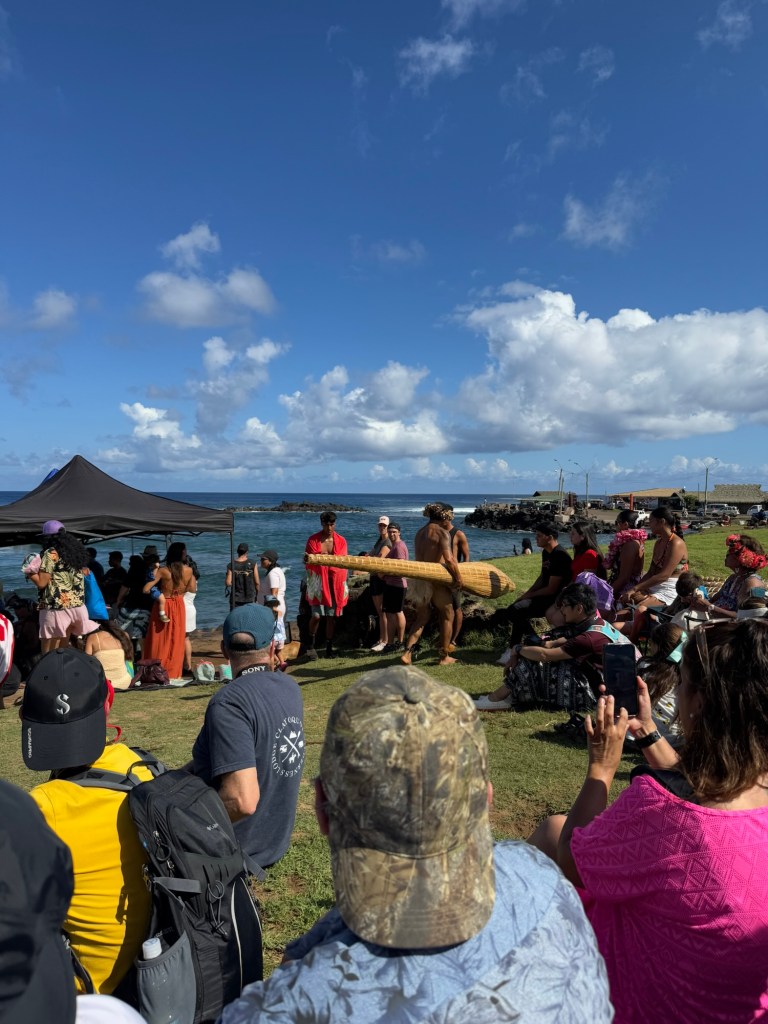
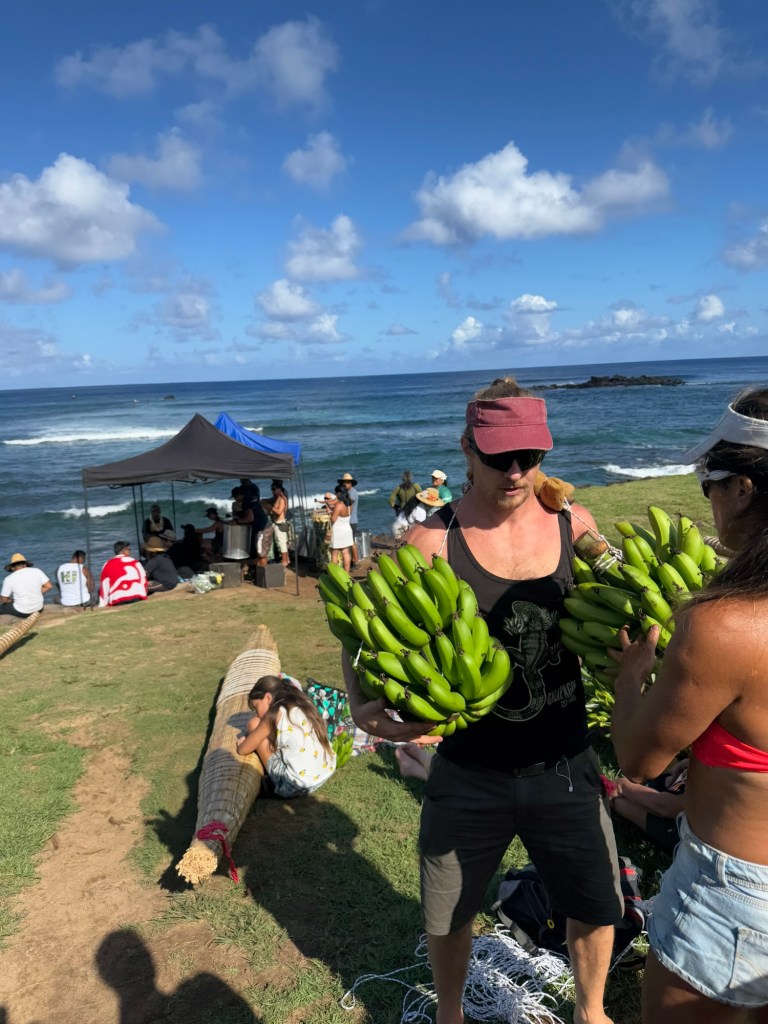
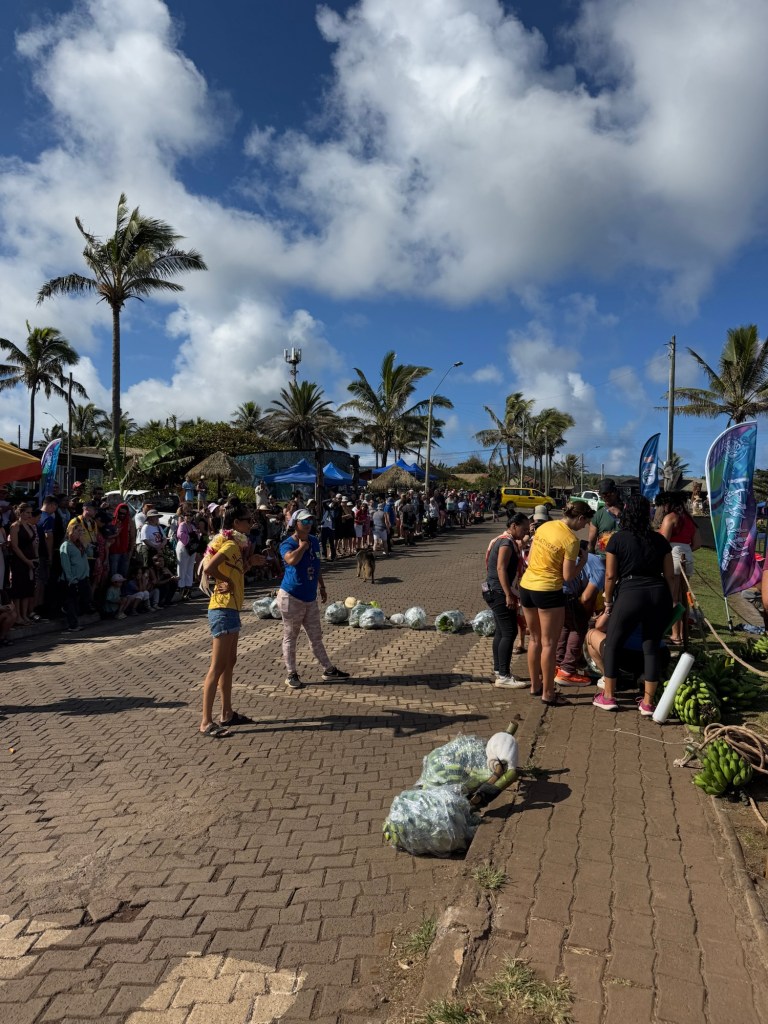
We had a slow morning, made breakfast, and waited for our rental car to arrive. Since we were visiting during Tapati, we had to catch the biggest event of the festival: the Tau’a Rapa Nui triathlon, which includes rafting, a banana-weight run, and a paddle race. The winner gets $50,000! This event is rooted in the island’s ancient Birdman competition.
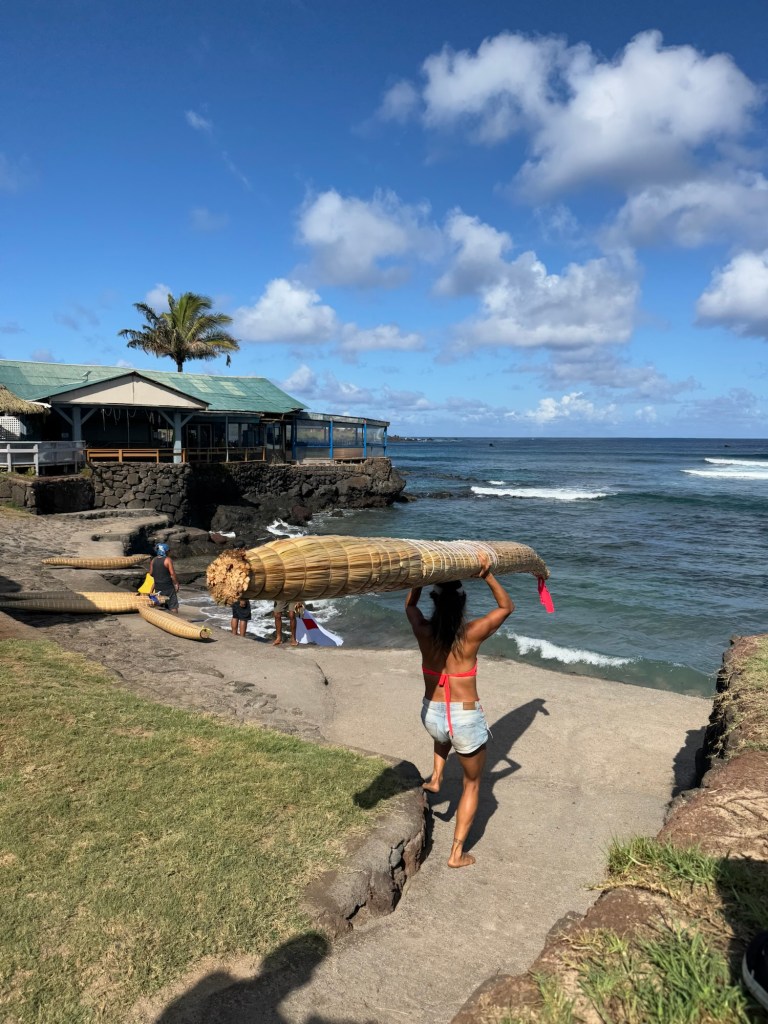

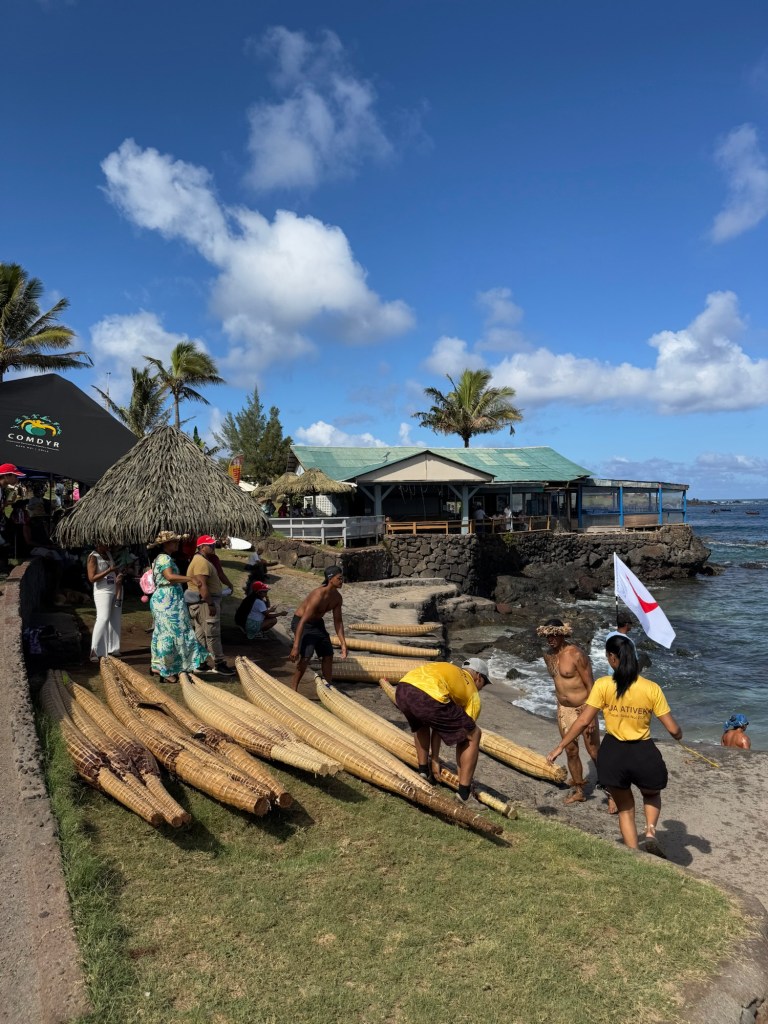
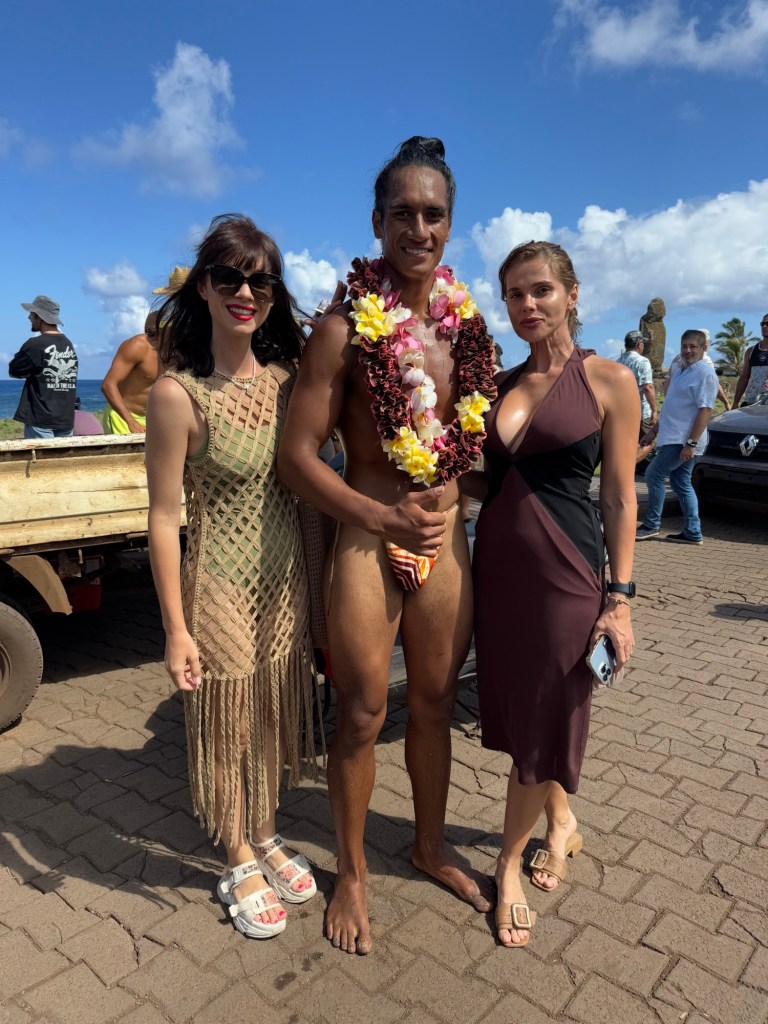
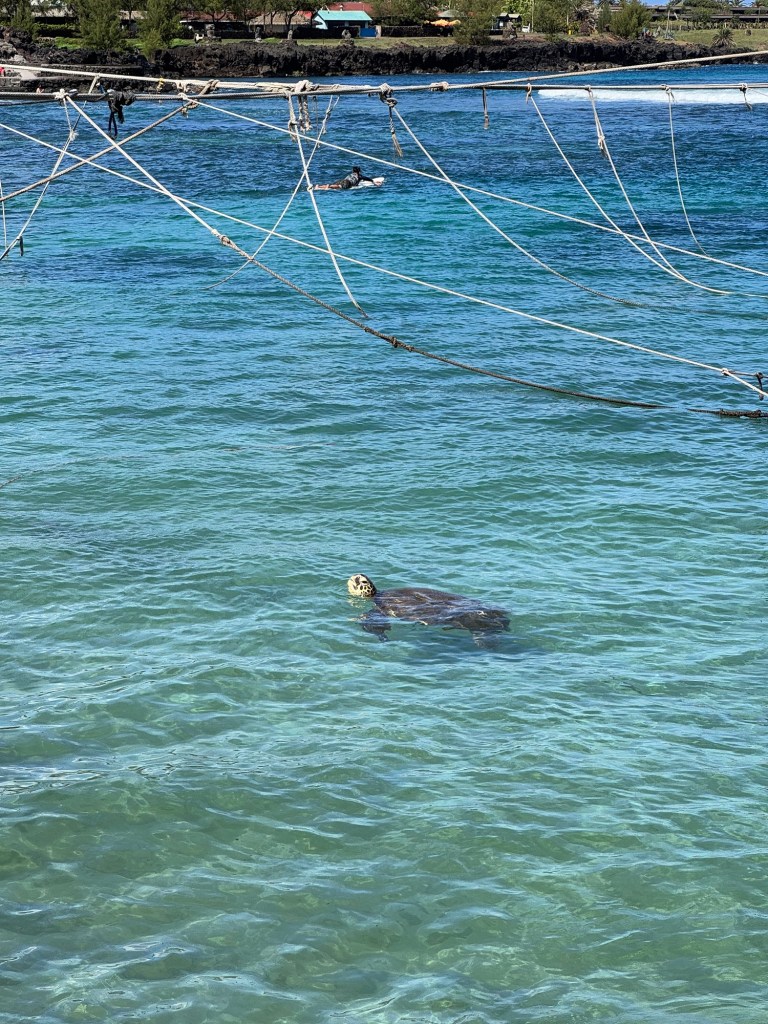
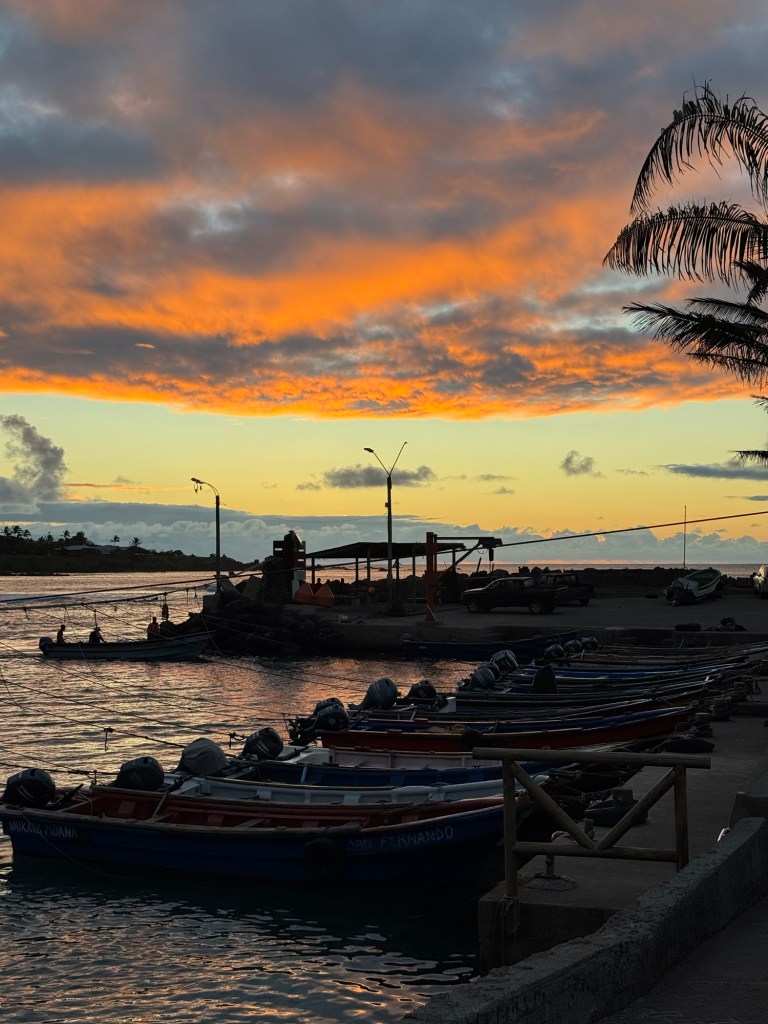
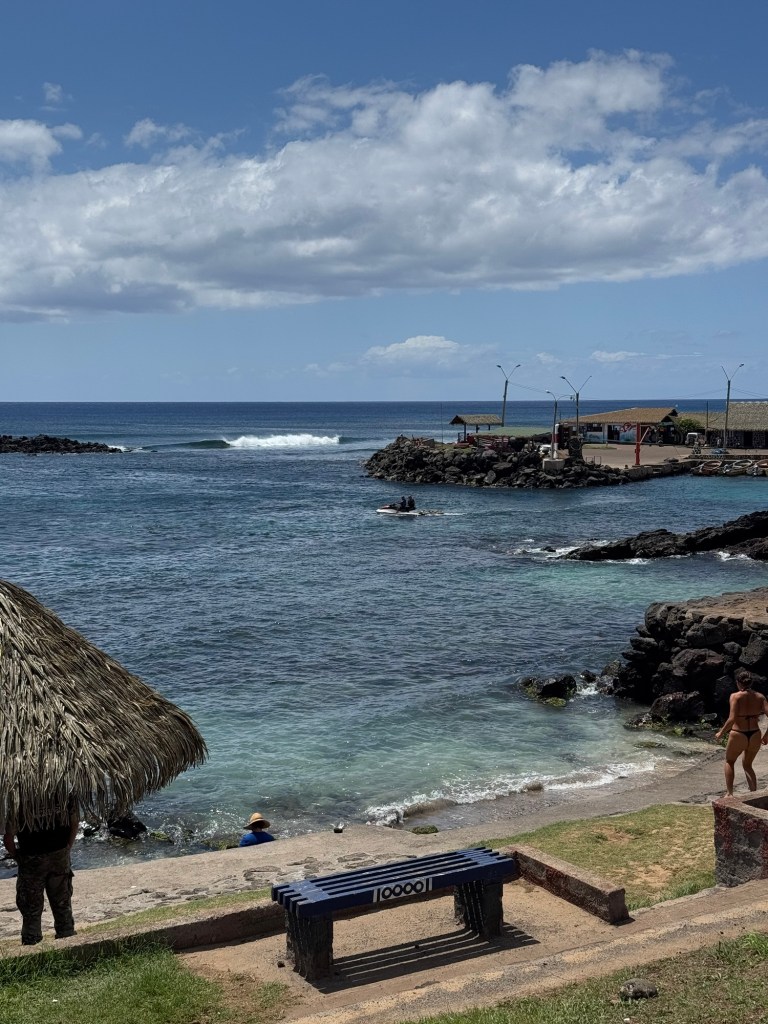
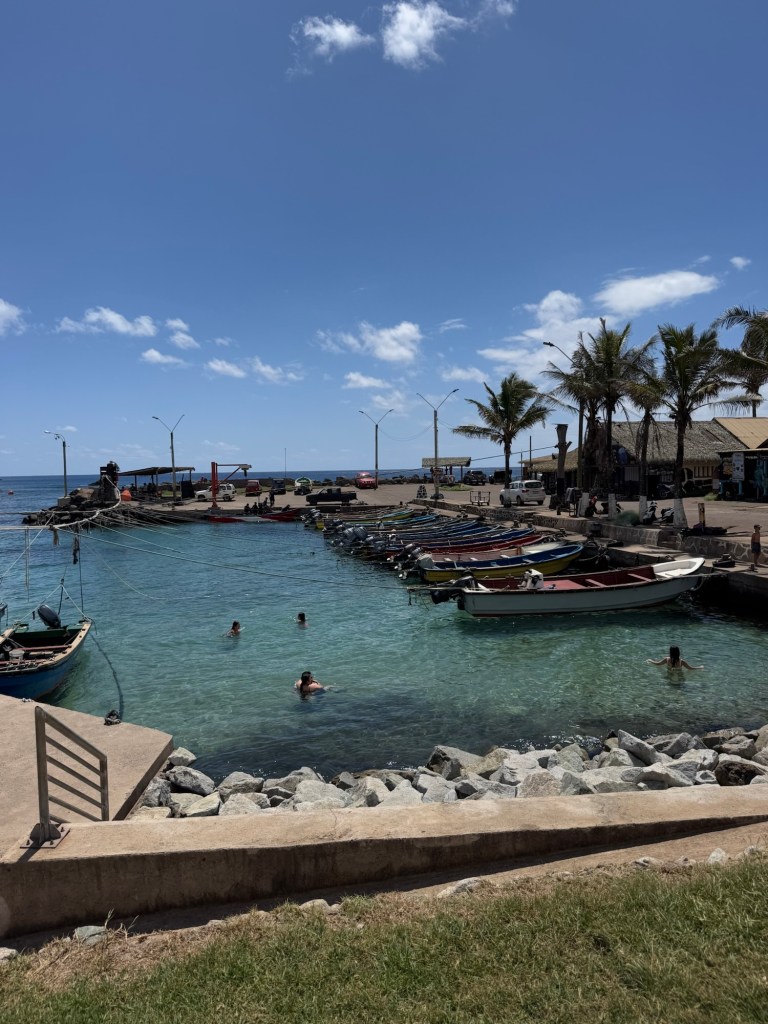
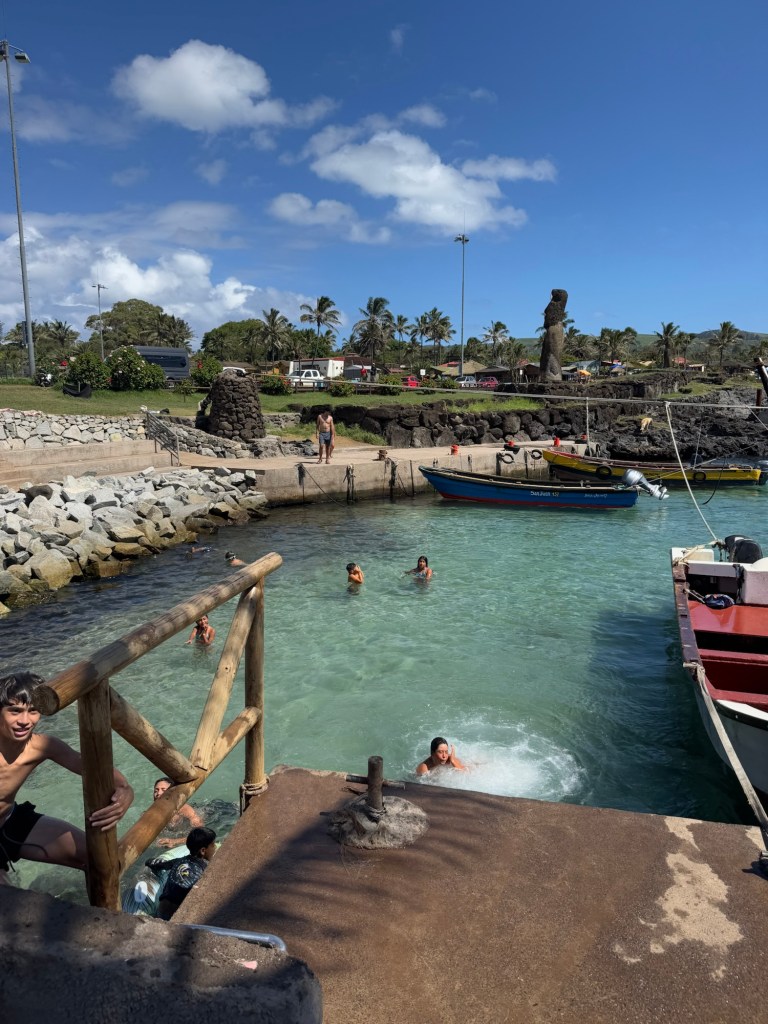
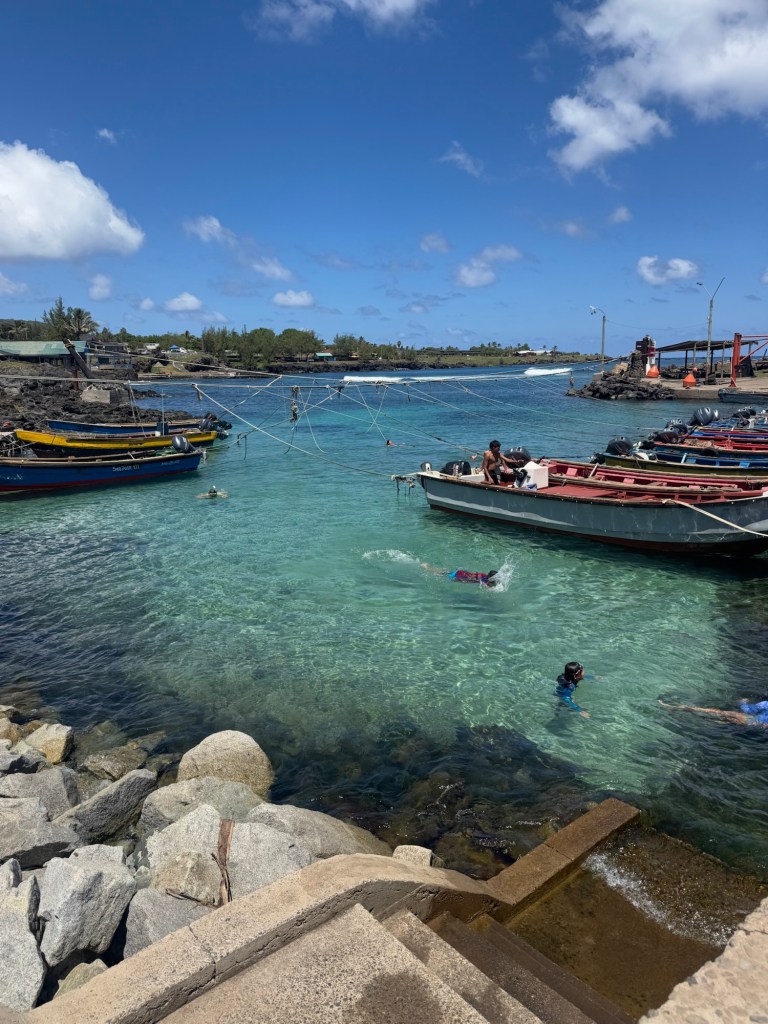
Later, we saw huge sea turtles swimming near the village port – incredible!
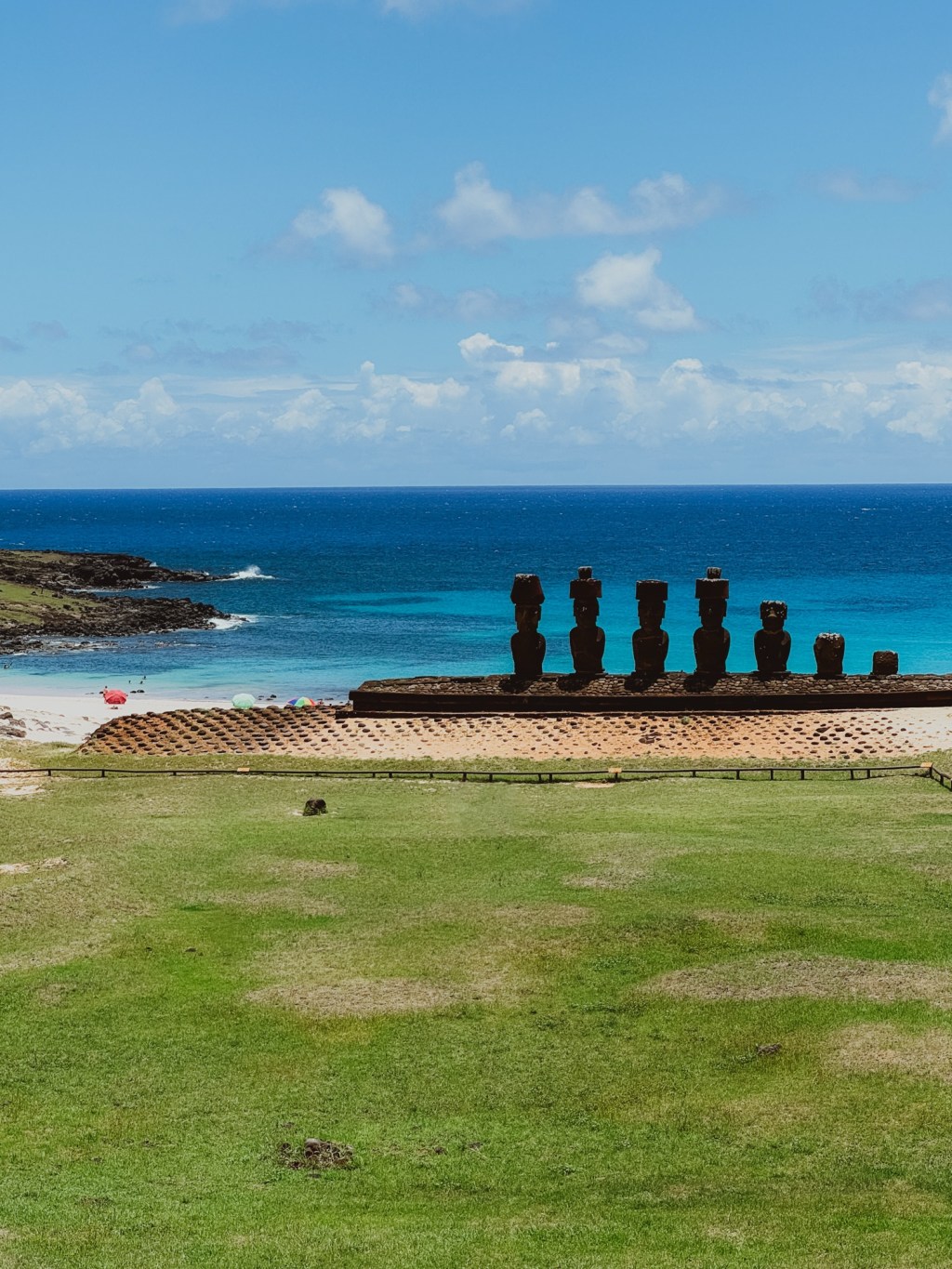
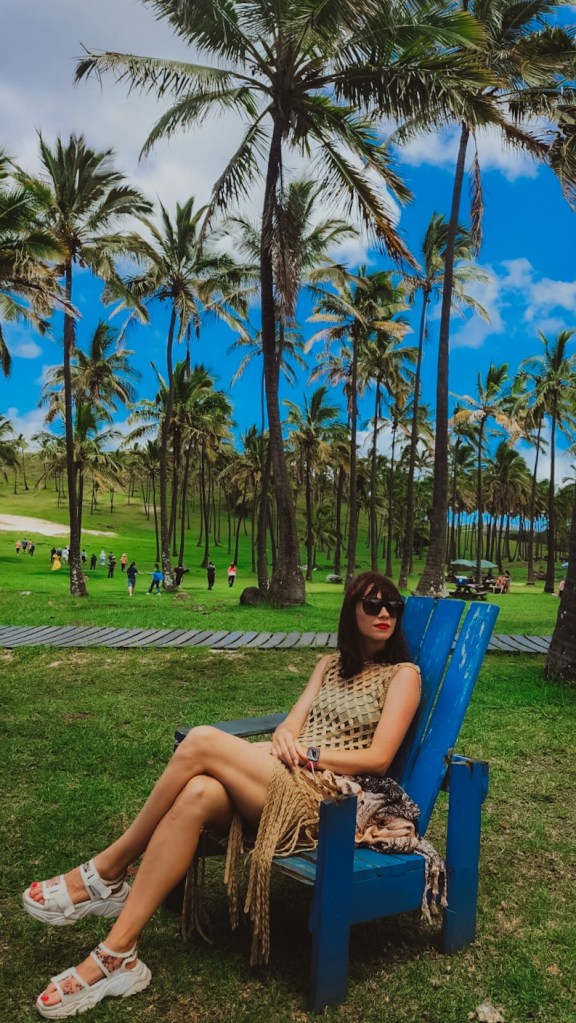
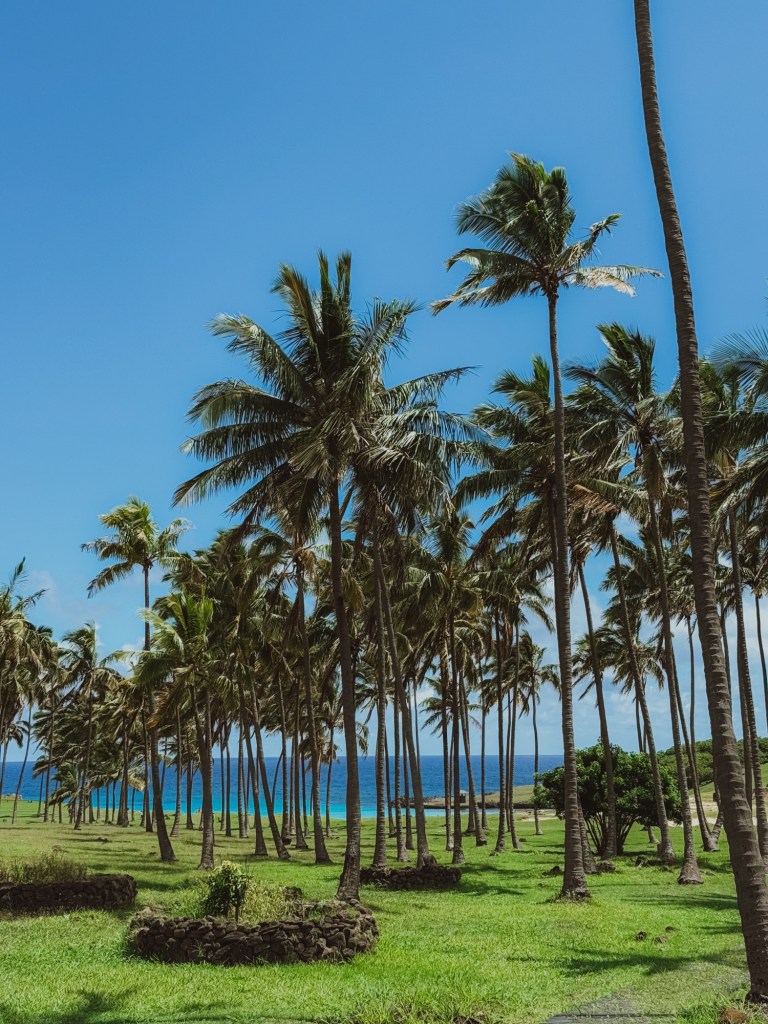
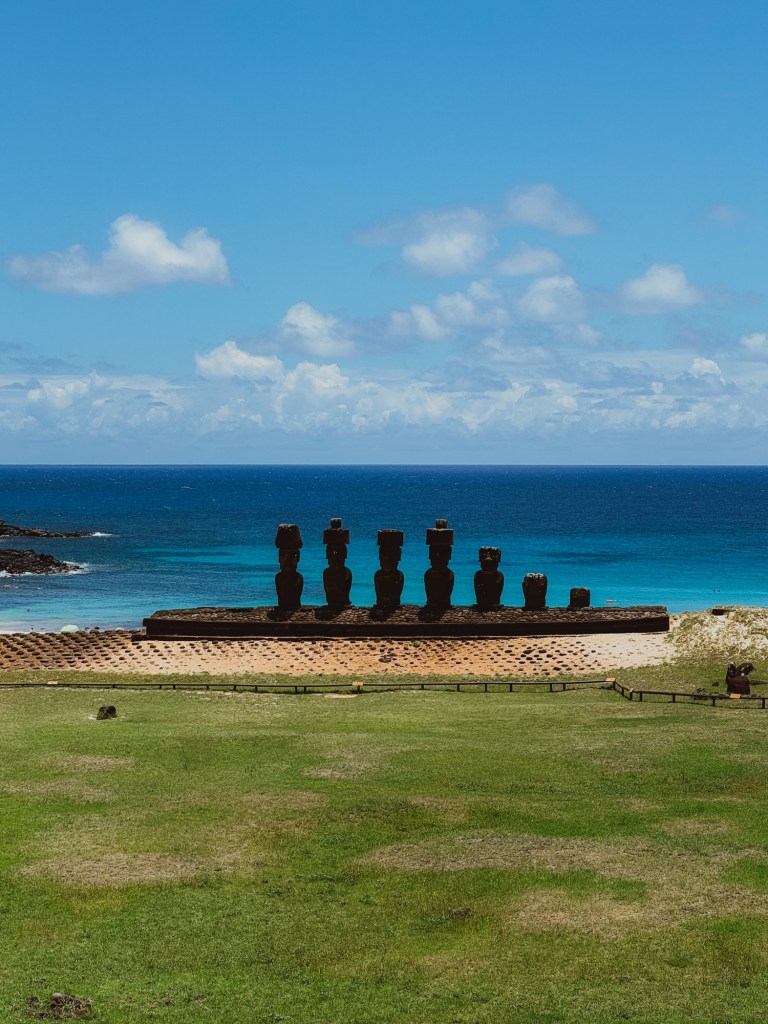
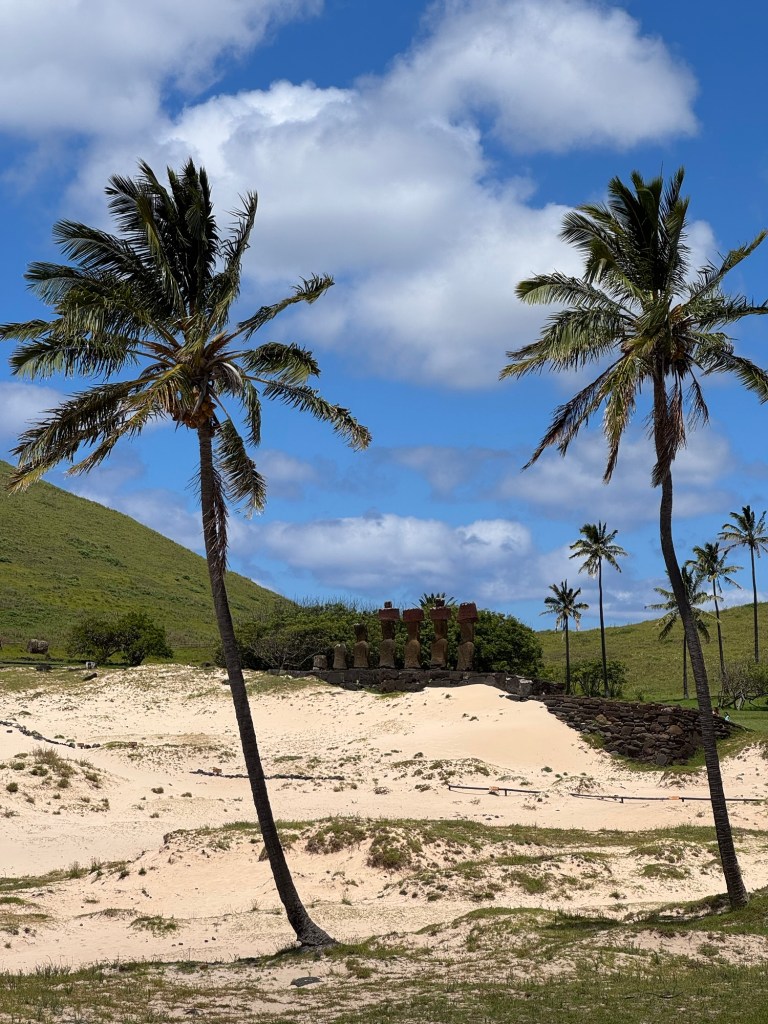
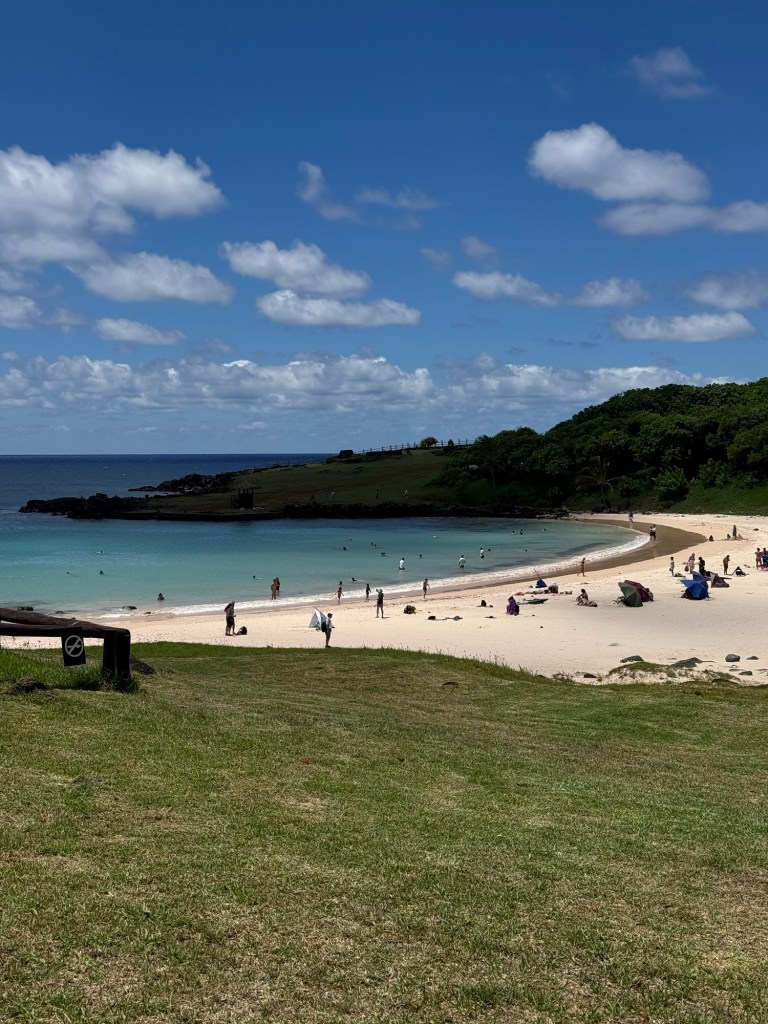
We drove to Anakena, the island’s only sandy beach. There are restaurants, umbrella rentals, and palm trees to relax under. There are also 7 well-preserved Moai statues here. Anakena is one of the few places on the island that’s free to visit and doesn’t require a guide.
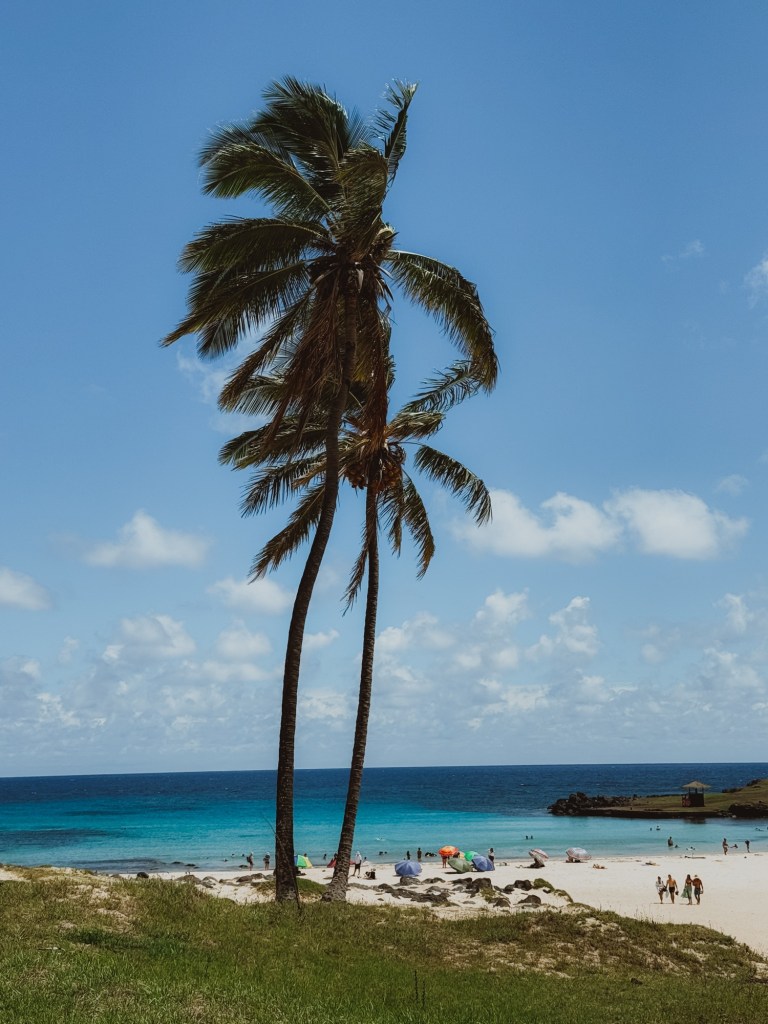
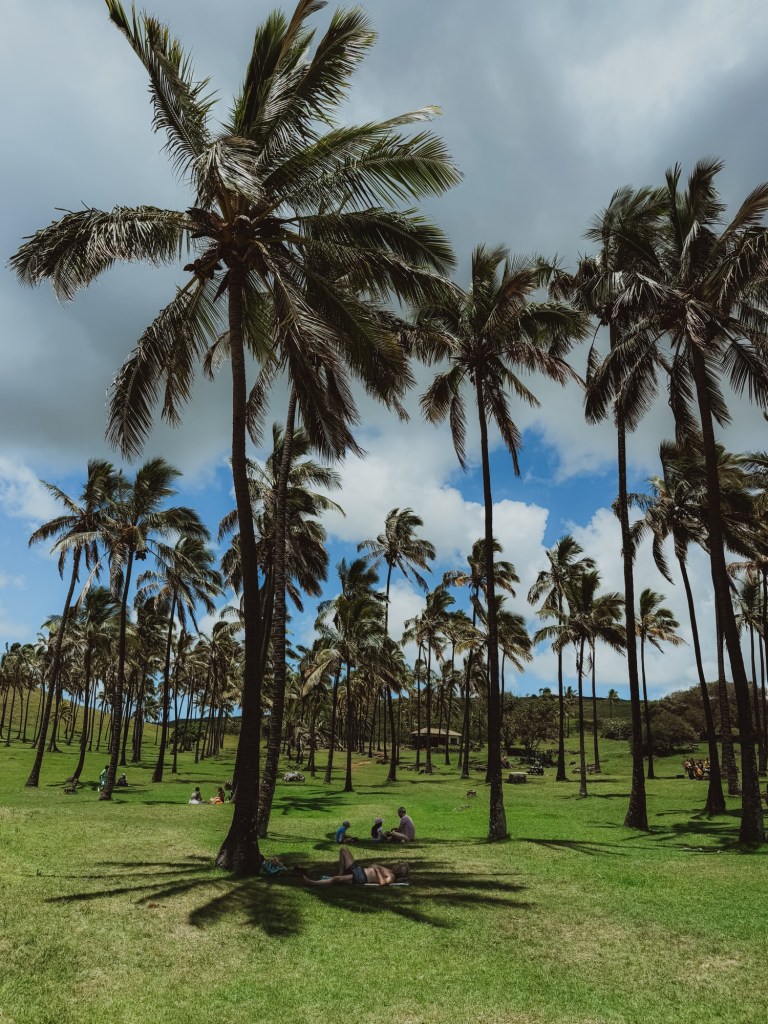
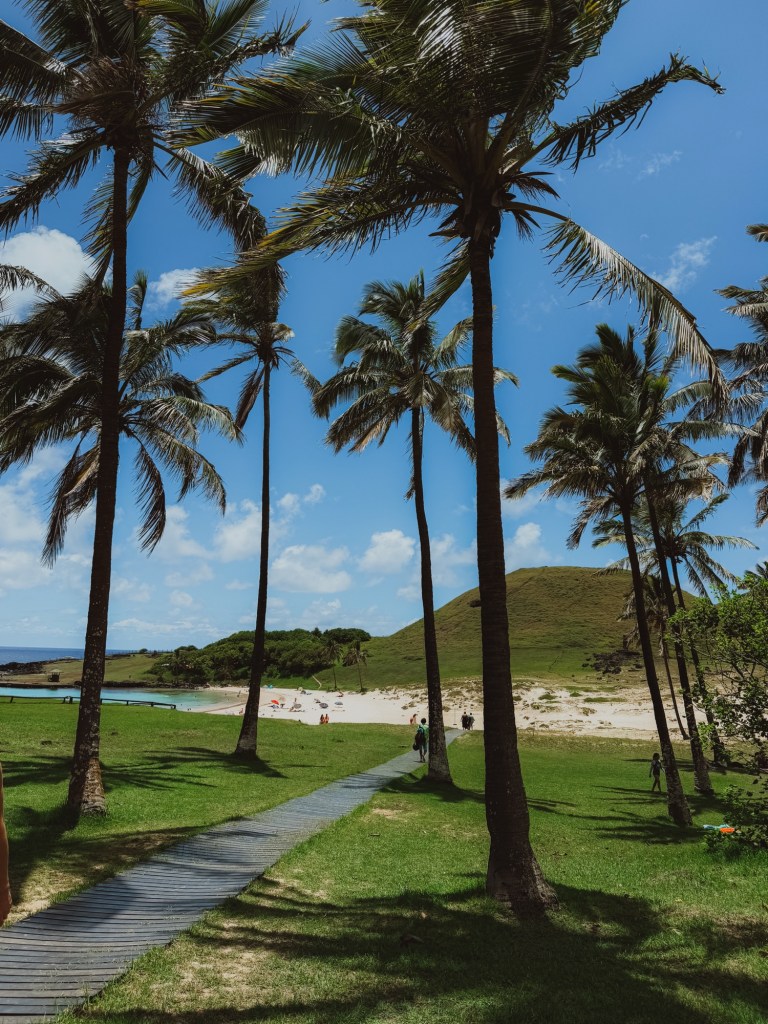
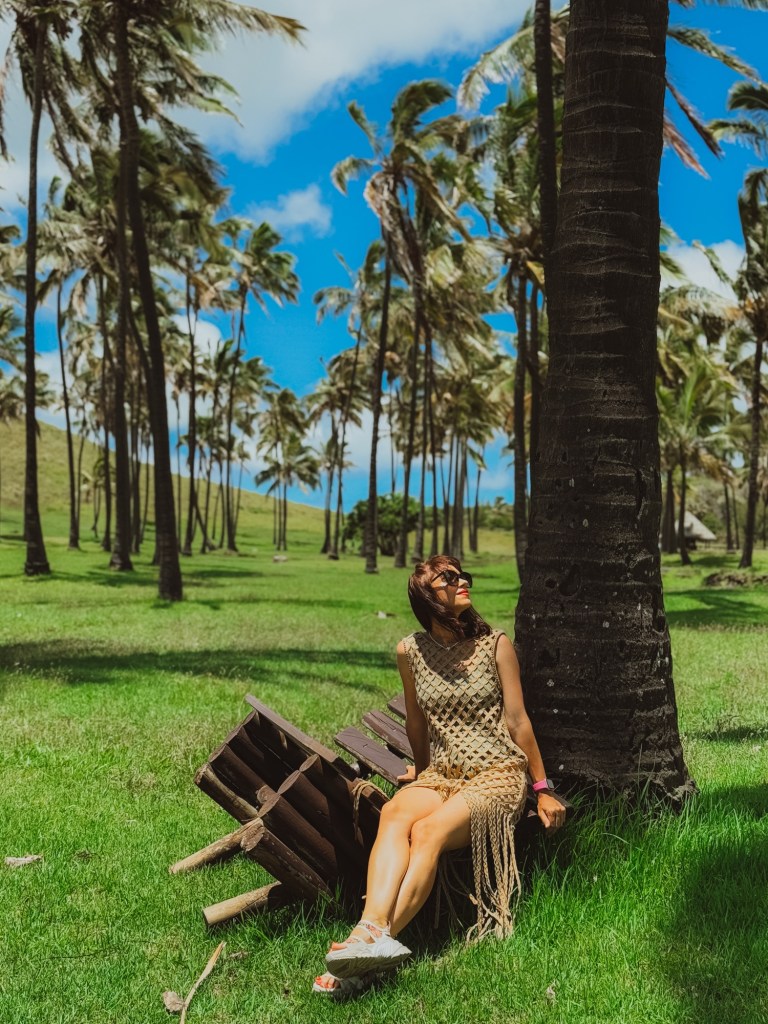
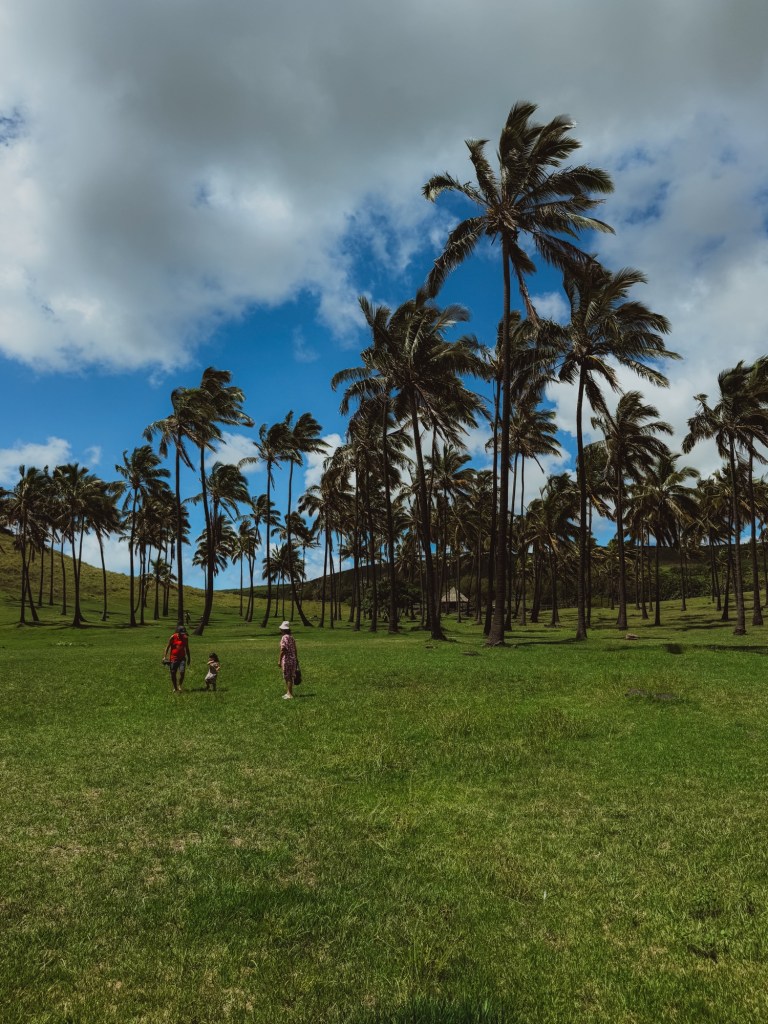
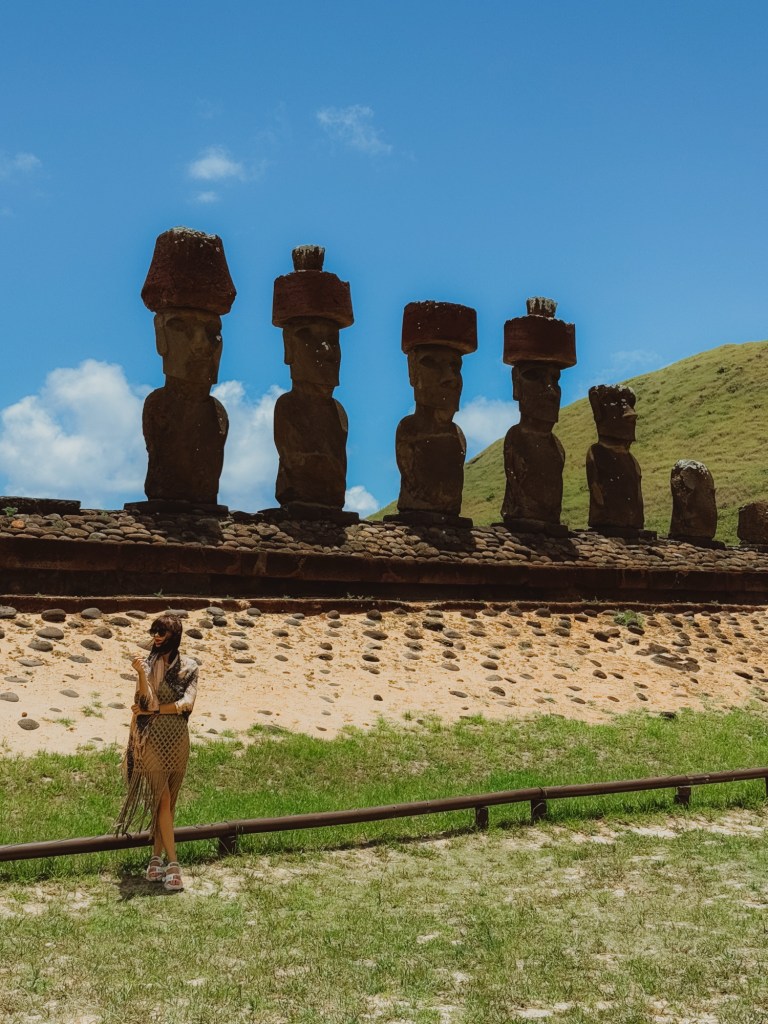
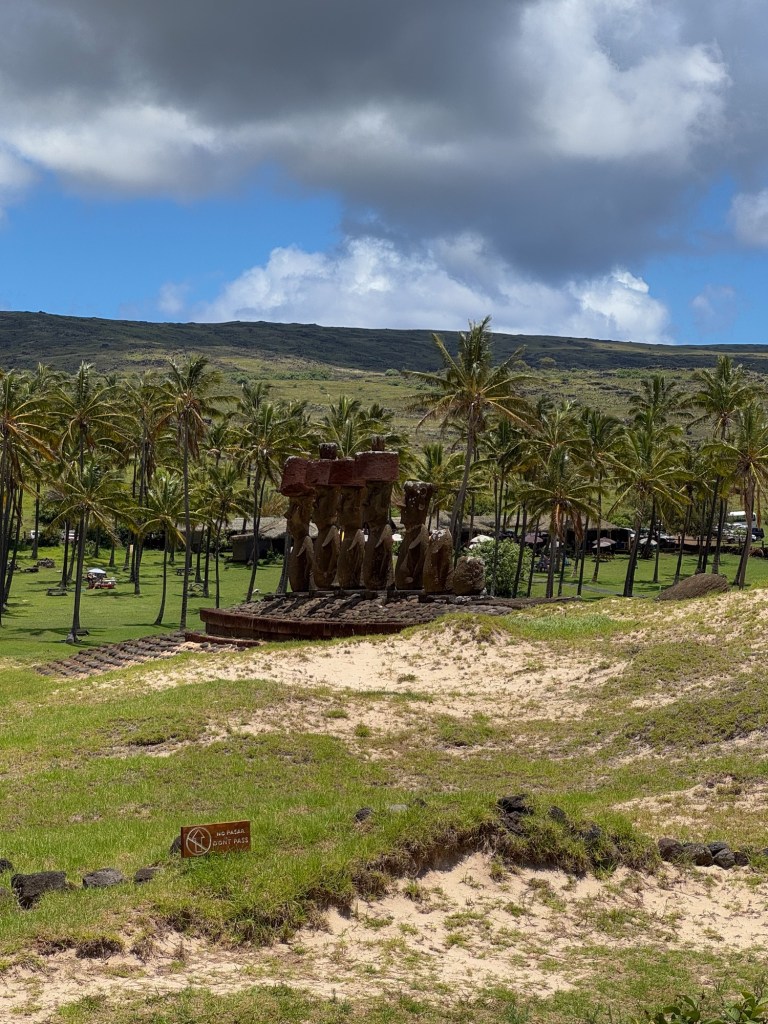
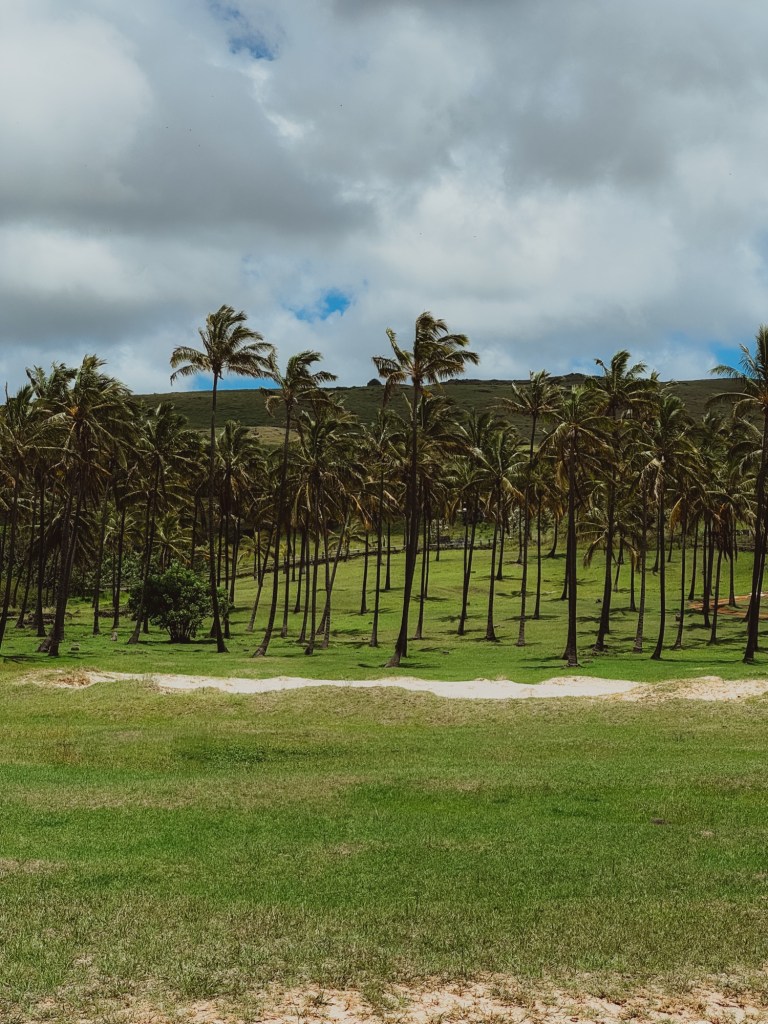
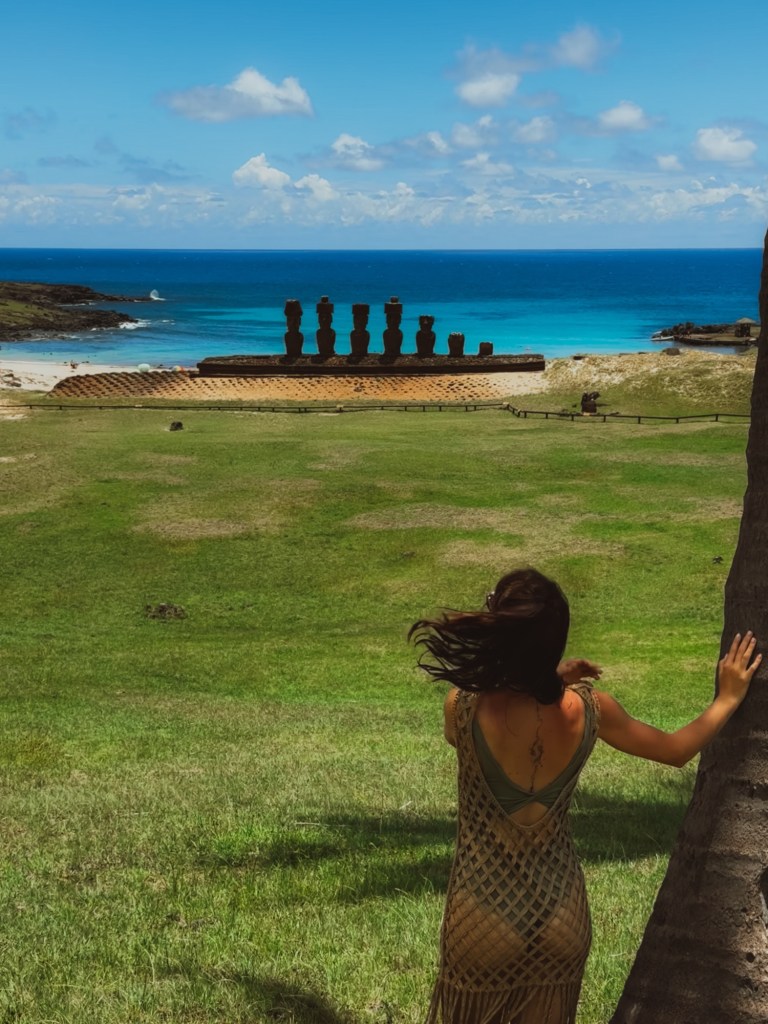
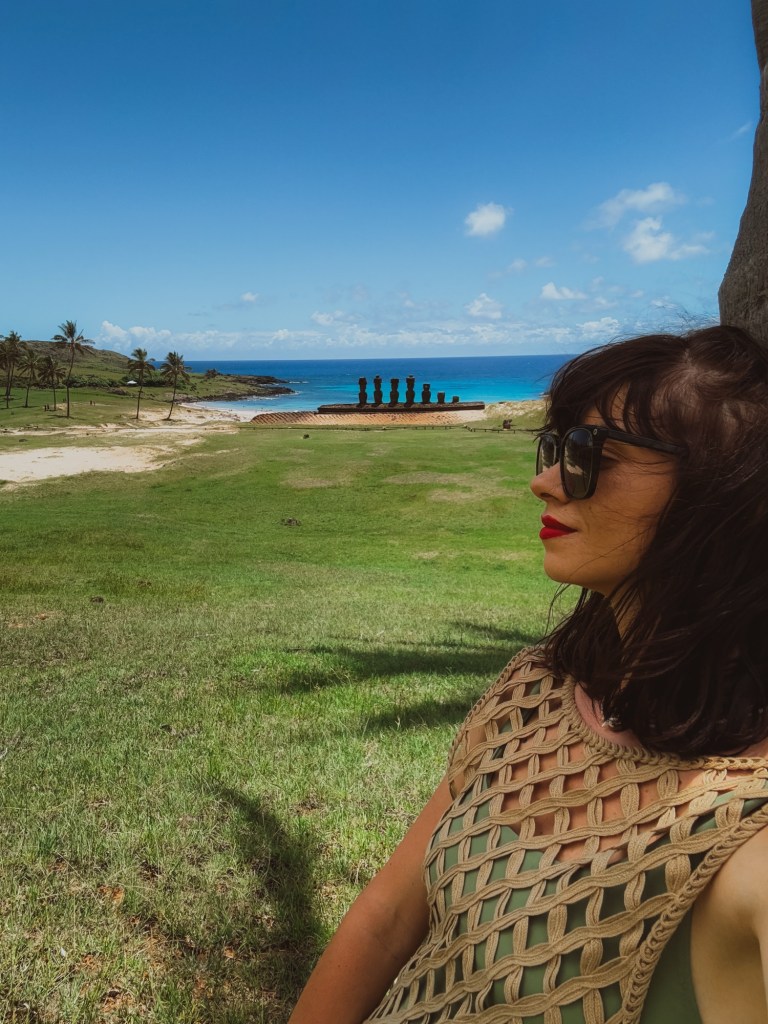
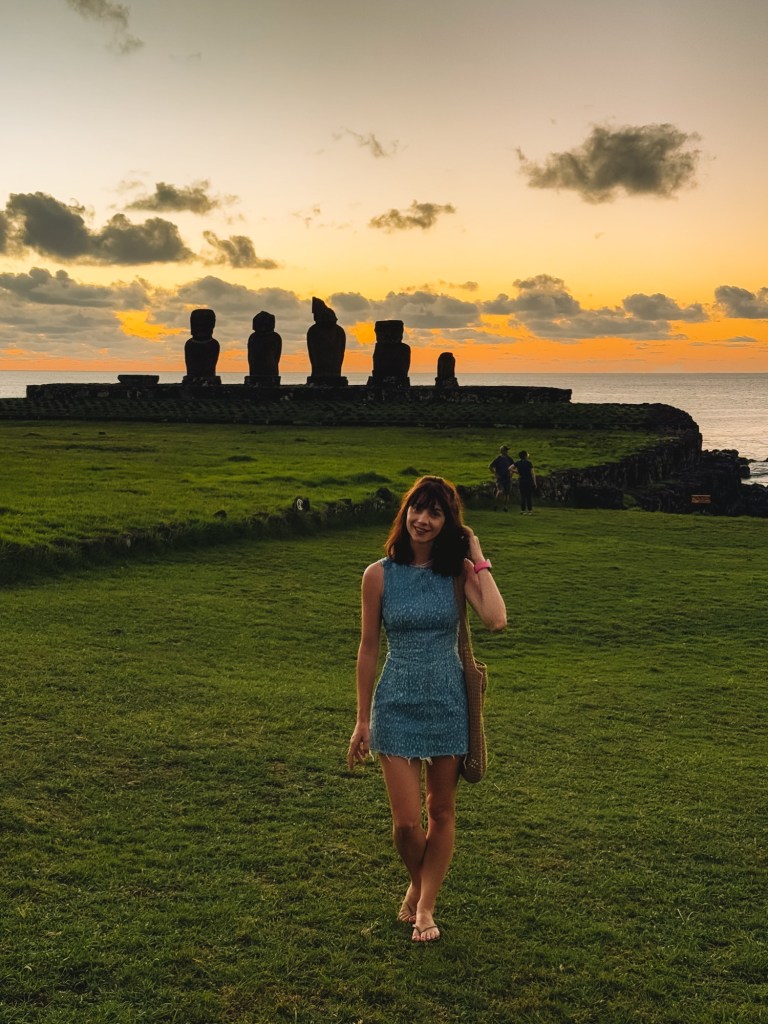
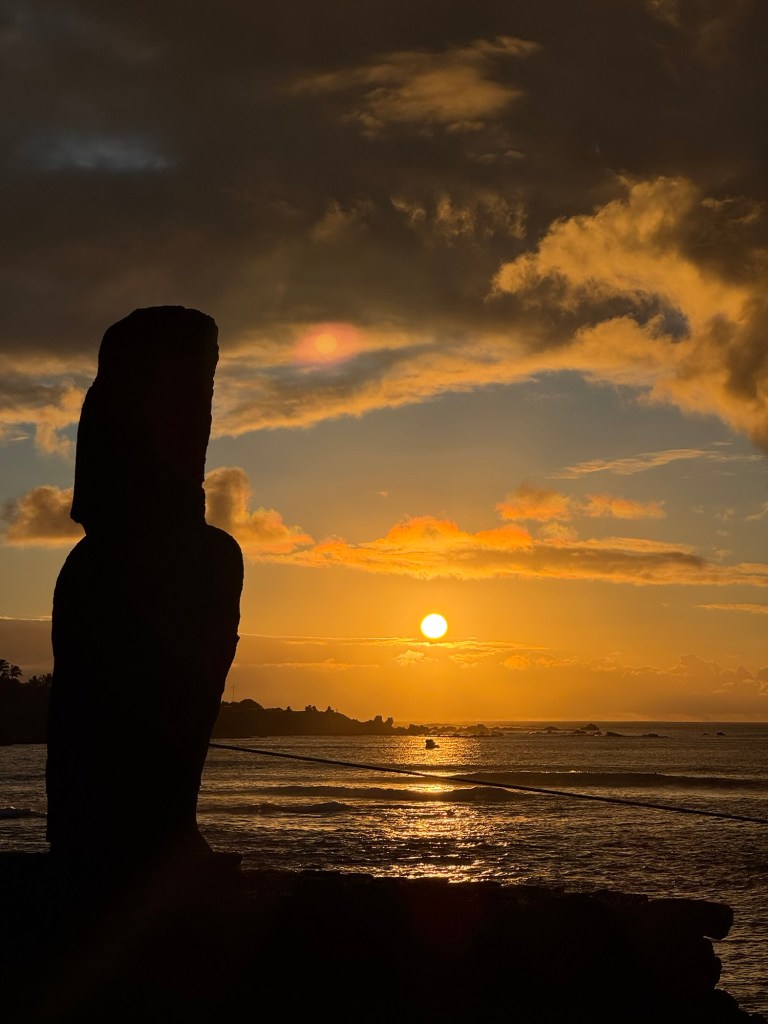
For sunset, we went to Ahu Tahai (15-minute walk from Hanga Roa), the best spot to watch it. It’s home to the only Moai with visible eyes. These eyes, made of white coral and obsidian, were added in a ritual that brought the statues to life, symbolizing spiritual power. All Moai face inland, toward the people, not the sea.
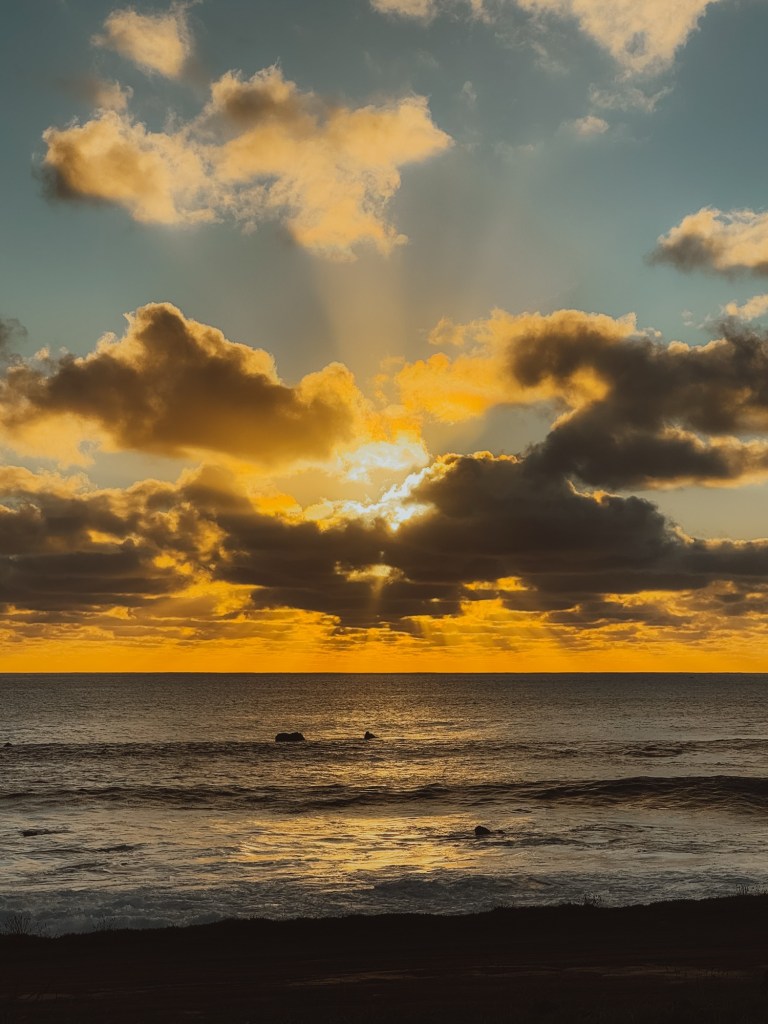
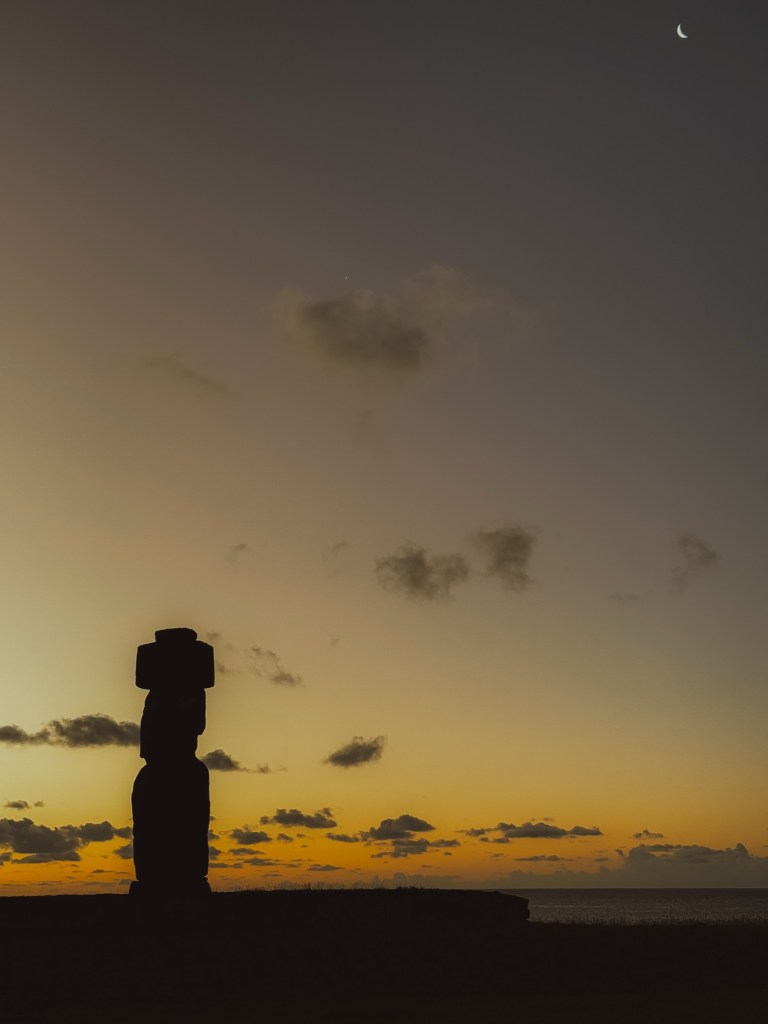
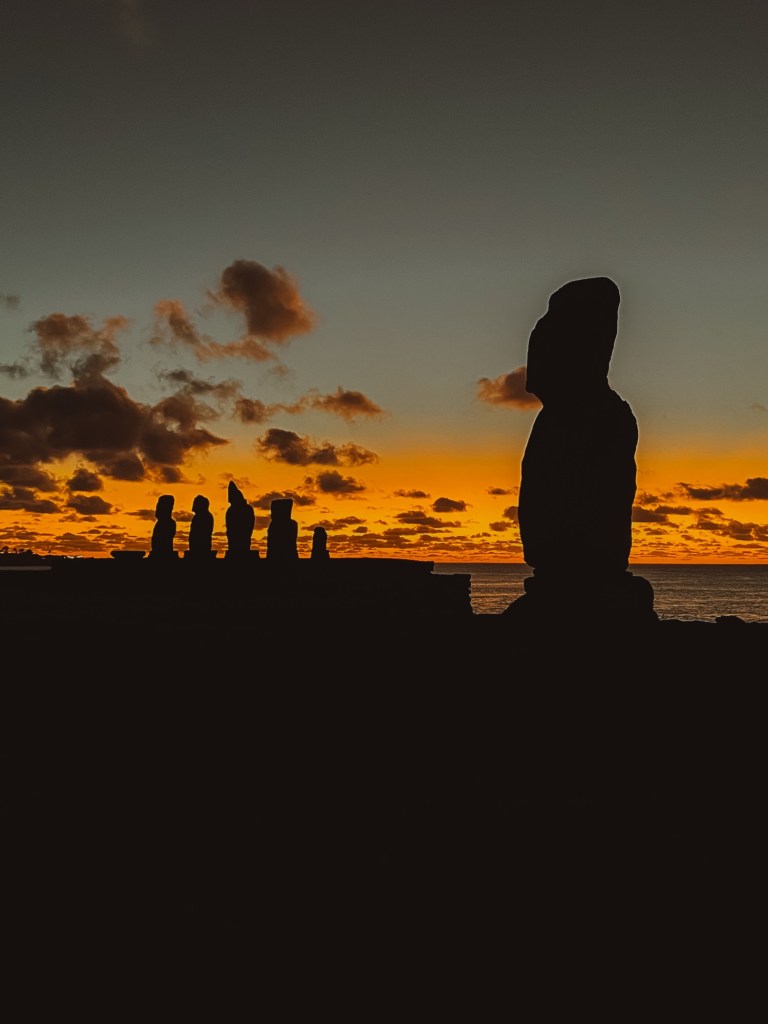
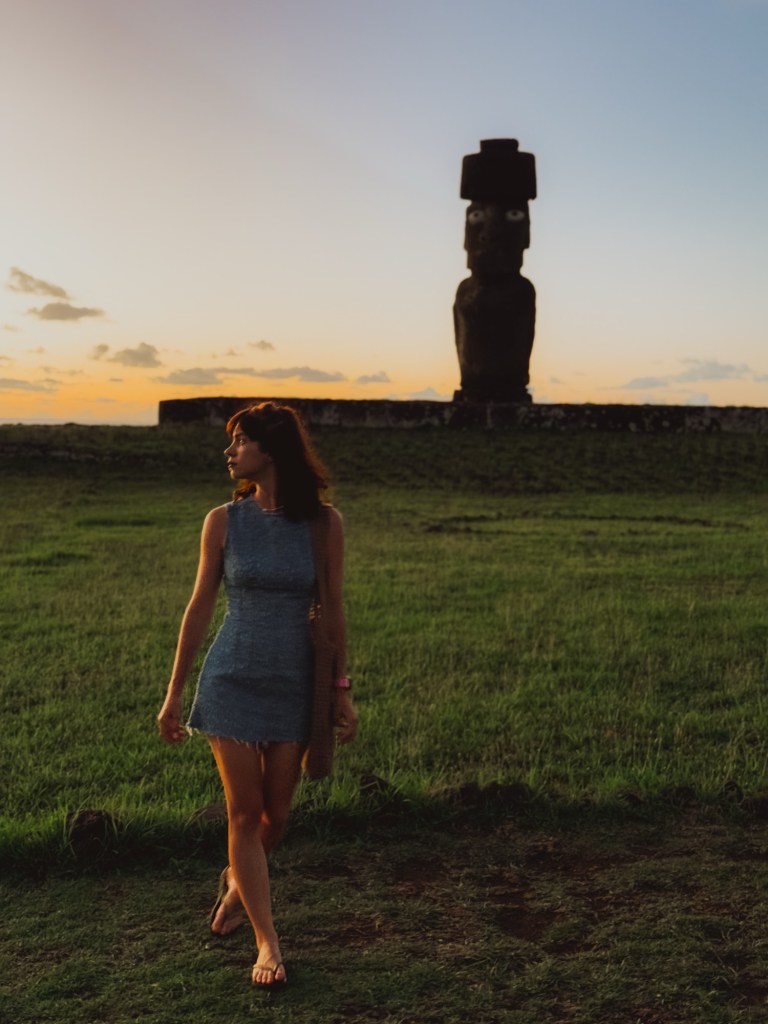
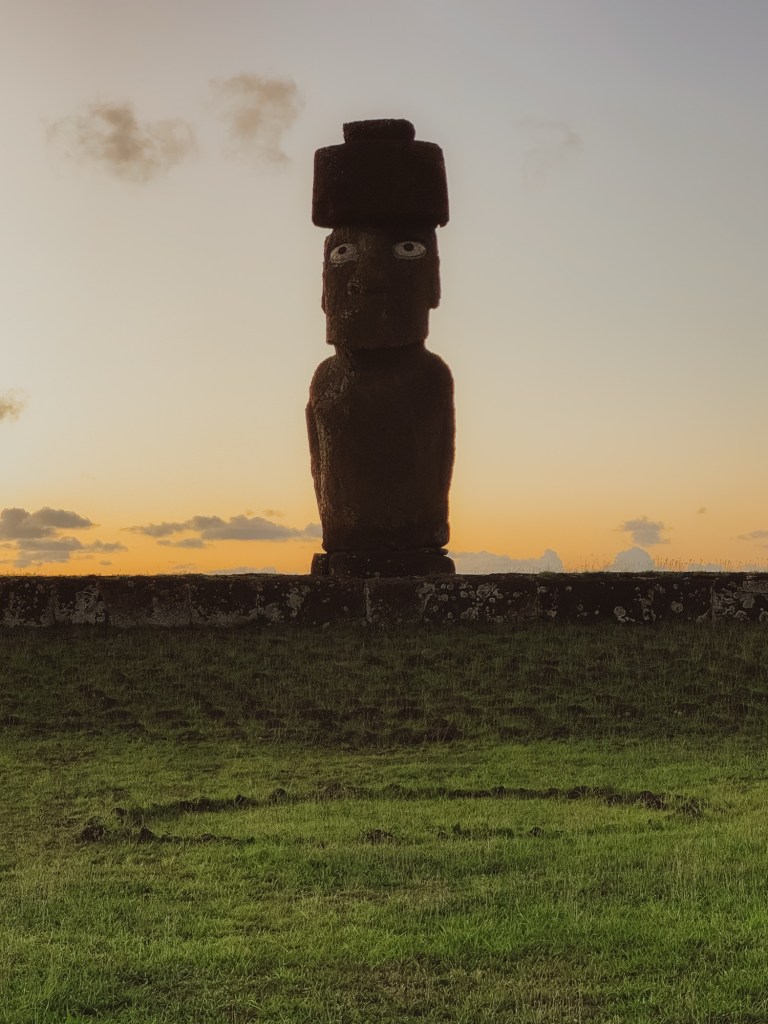
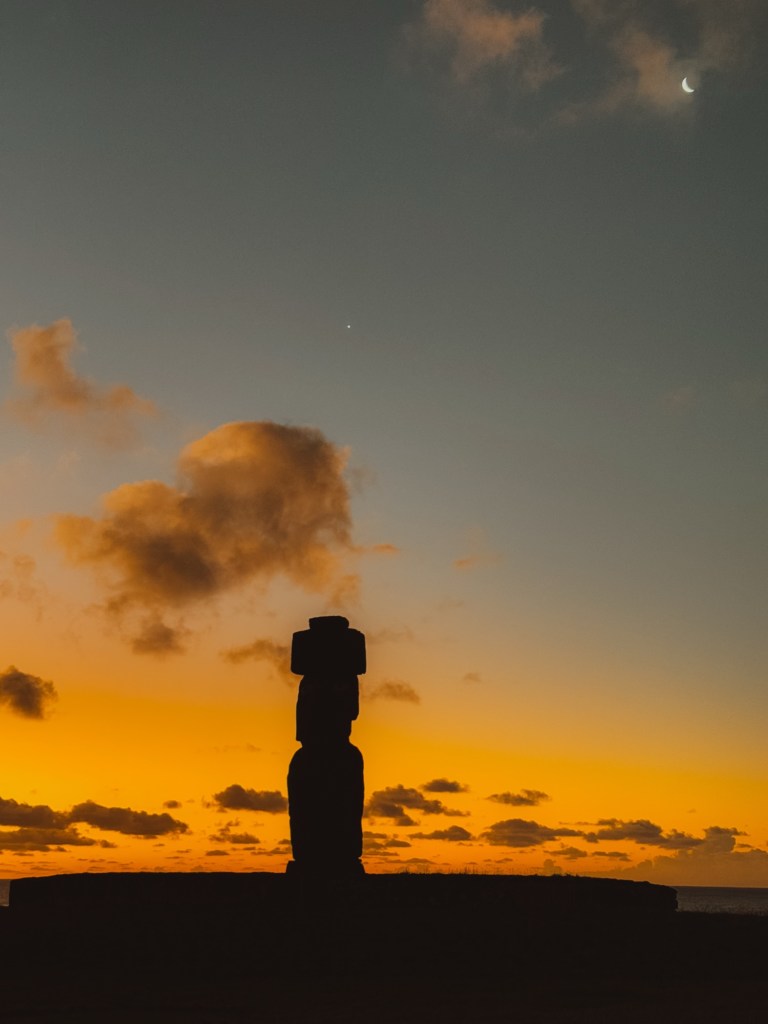
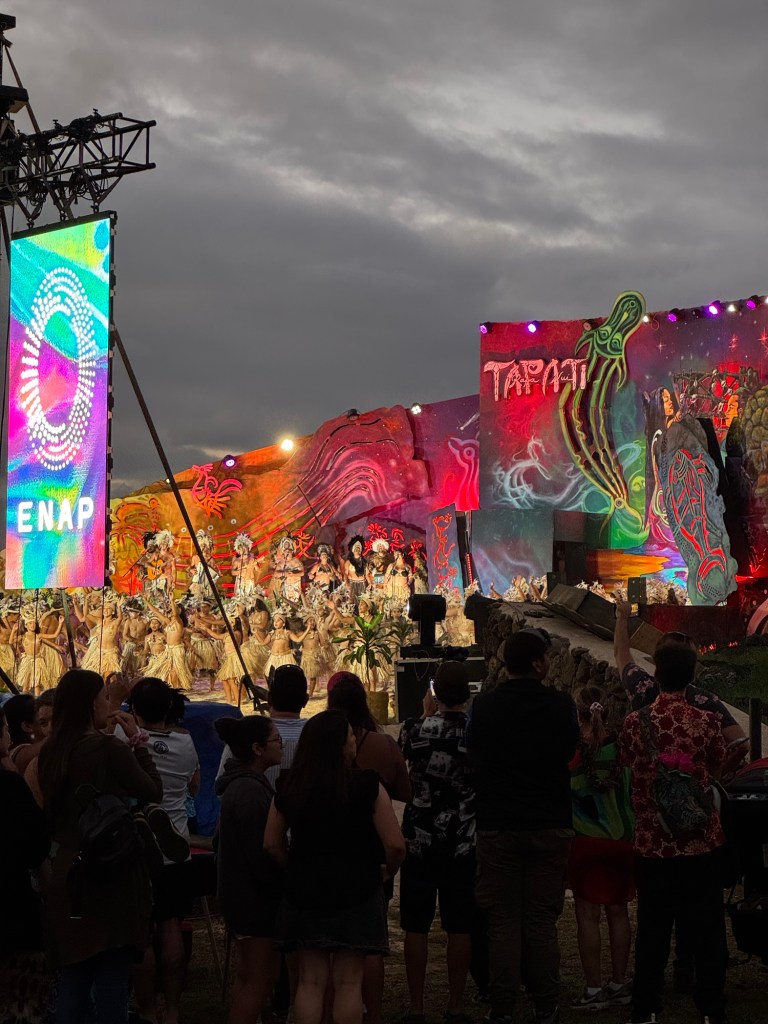
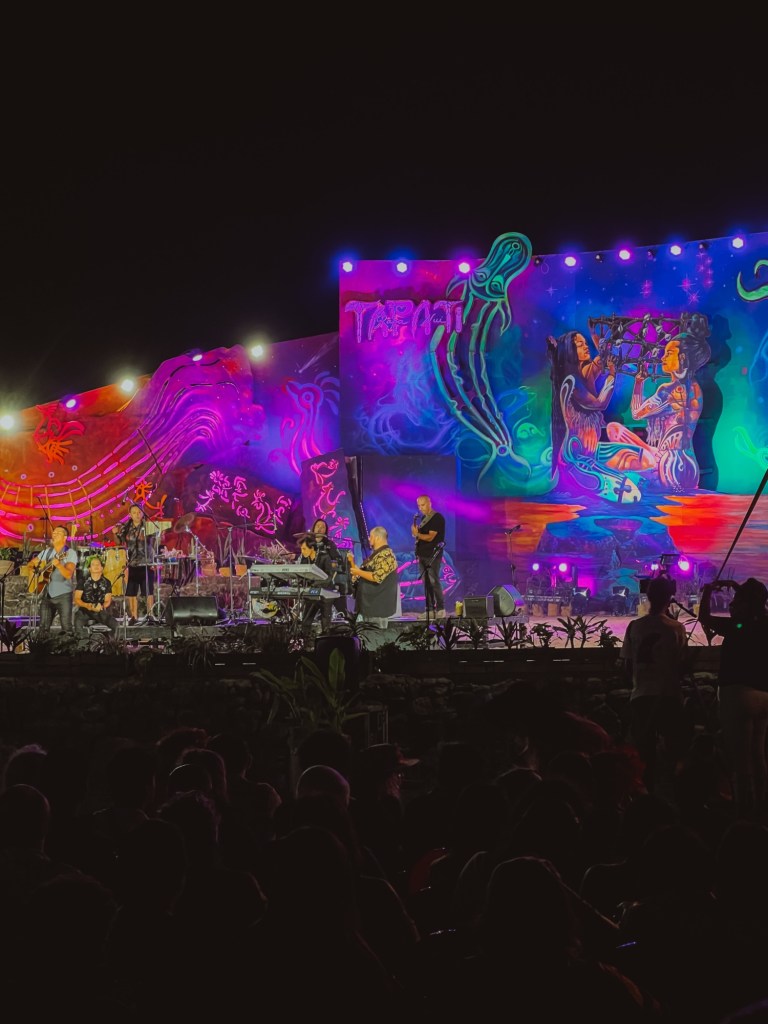
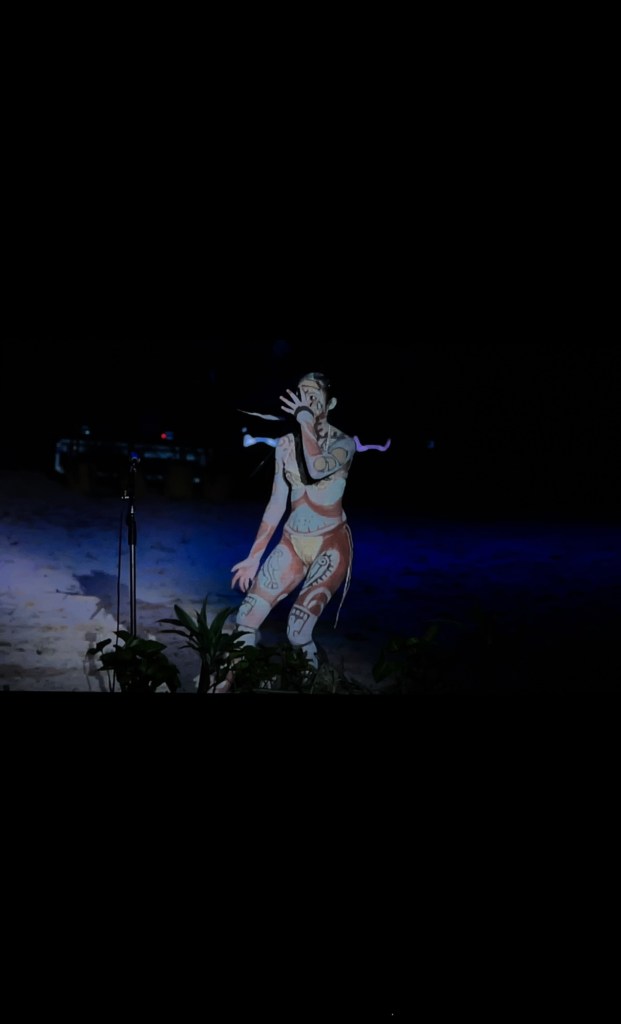
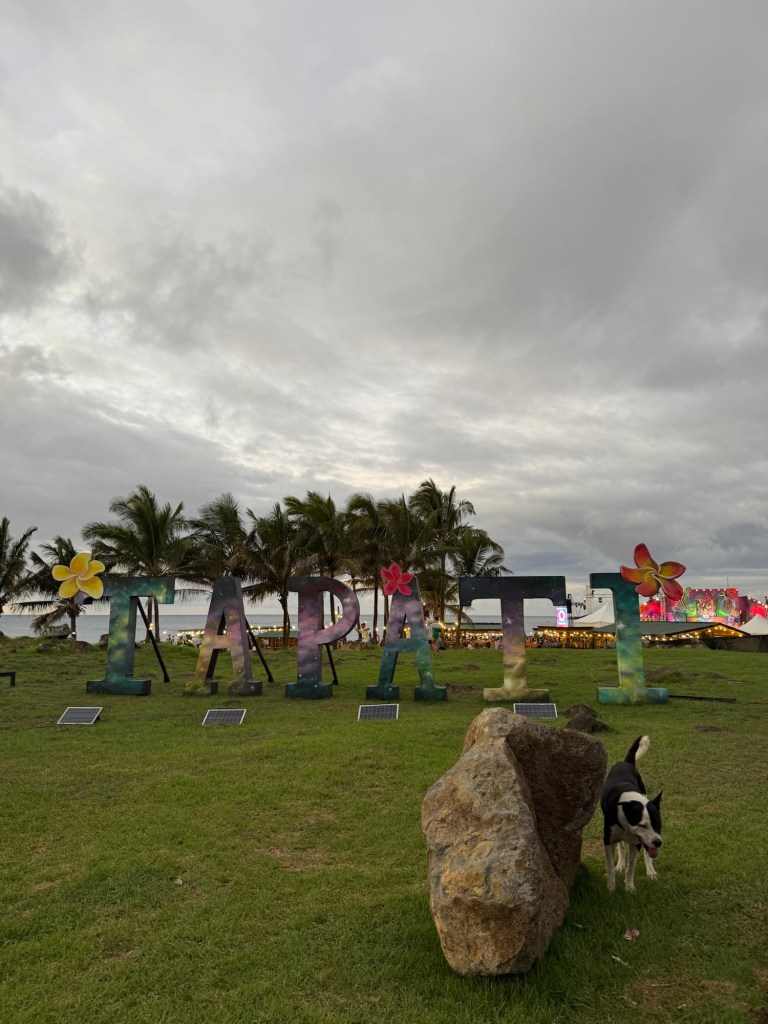
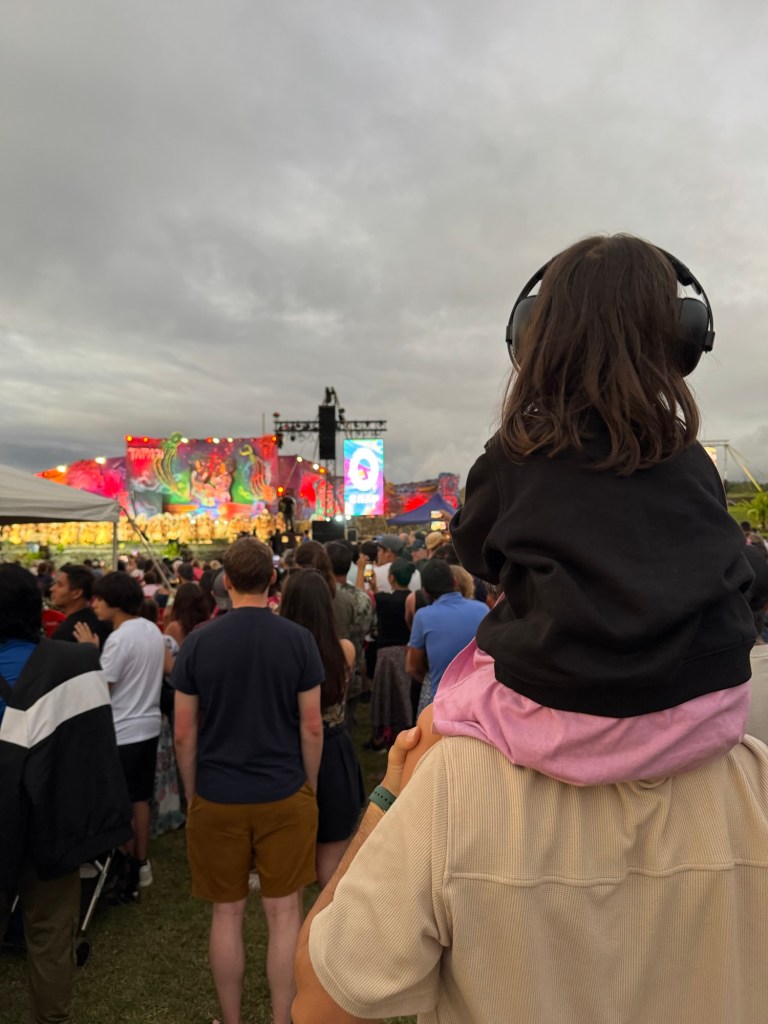
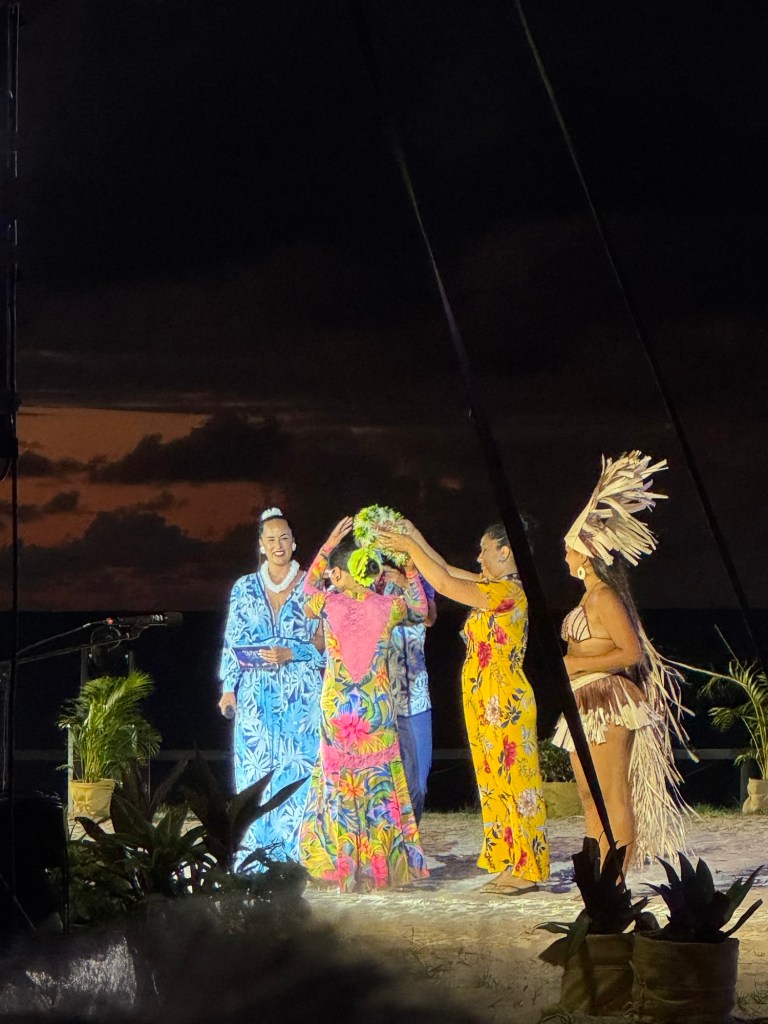
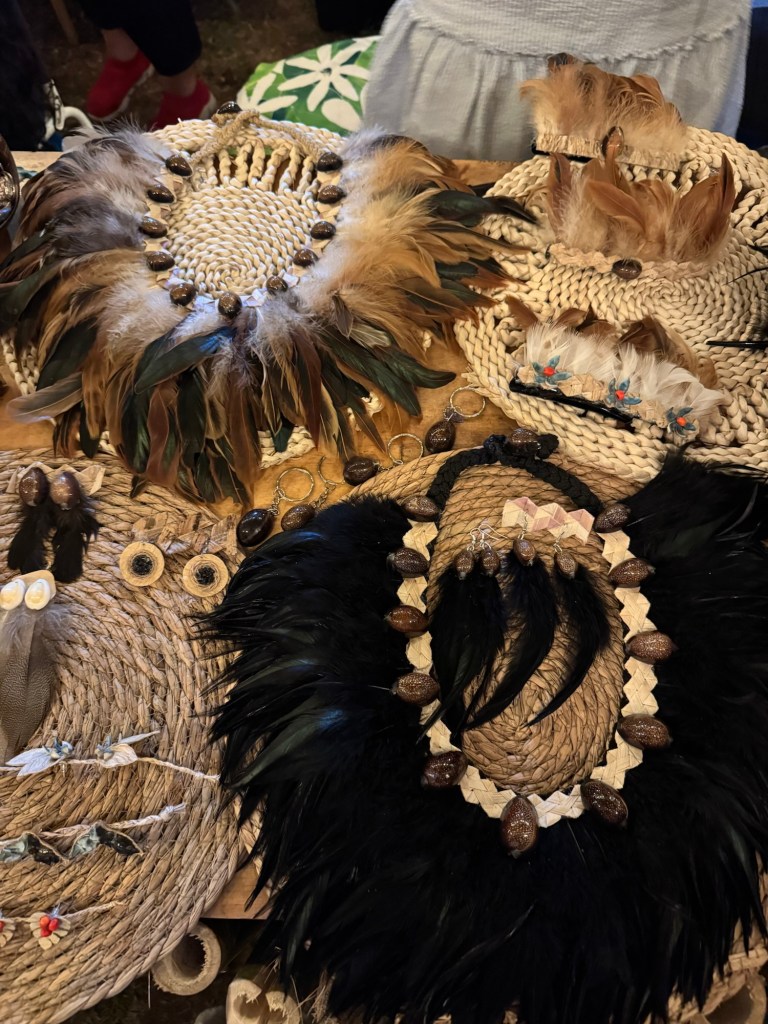
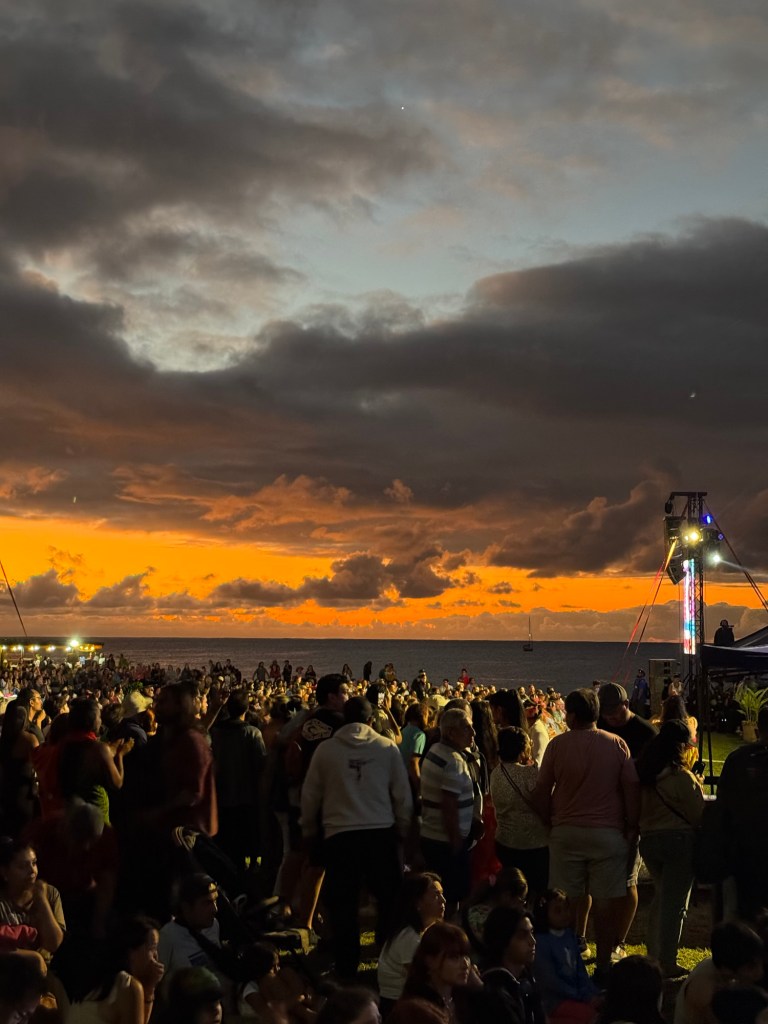
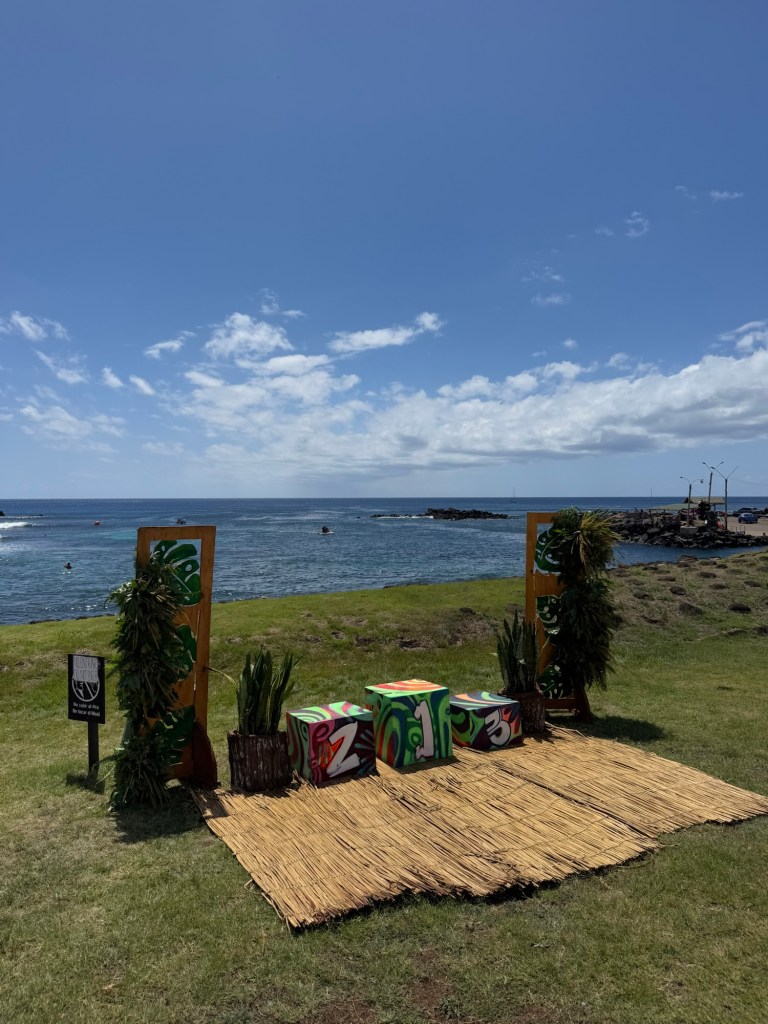
After watching the sunset, we walked to the nearby Tapati Festival. We spent couple of hours soaking in the atmosphere – listening to traditional music, watching the competitions and feeling the vibrant energy of the Rapanui culture. Once again, we realized how lucky we were for being able to live this.
Day 3: Full-Day “Moai Henua” Tour (09:30–17:00)
As we were with a toddler, the tour company agreed to pick us up (a service they don’t usually offer) so at 09:30 sharp a mini van came and we started the full day tour. I will explain all the stops we had and what you can see at each stop. My favorite part of these tours were the guides, as they are very knowledgeable and are giving a lot of details that you cannot find in any book. So here we go:
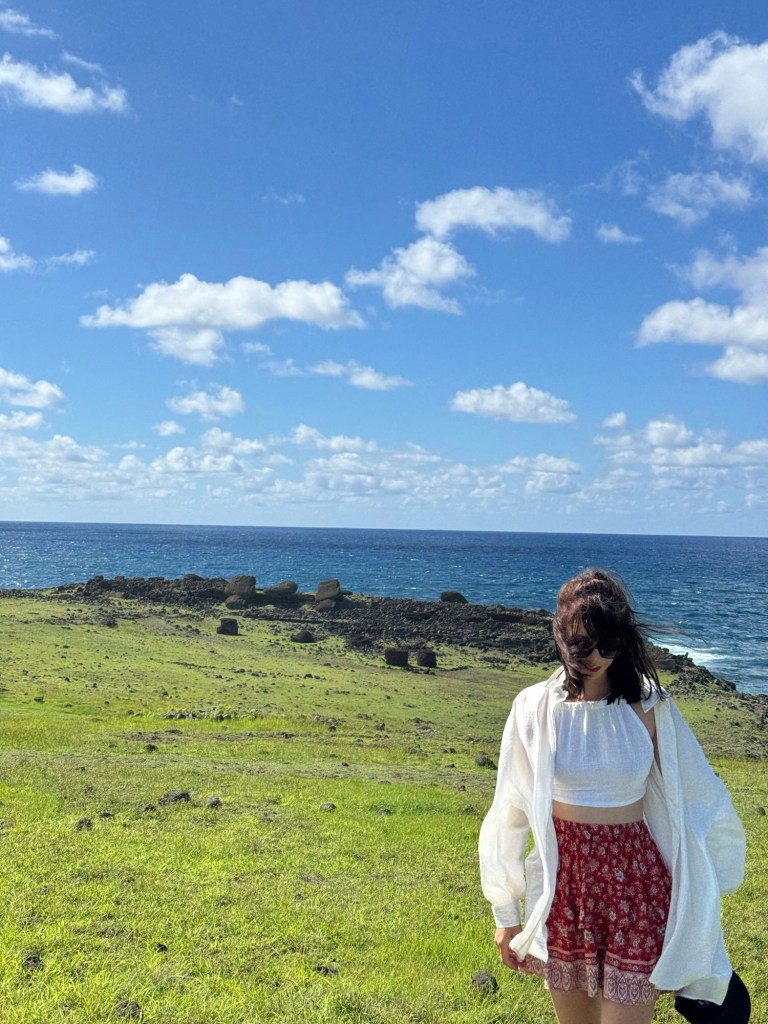
Vaihu – a ceremonial platform with fallen Moai, a result of inter-tribal conflicts.
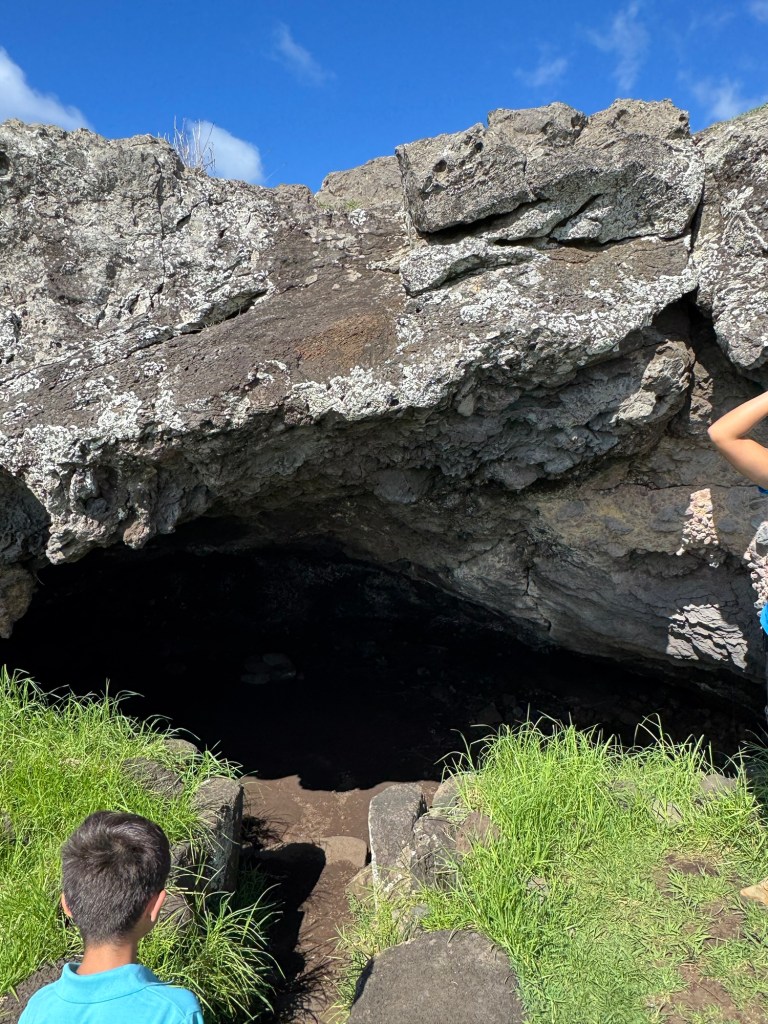
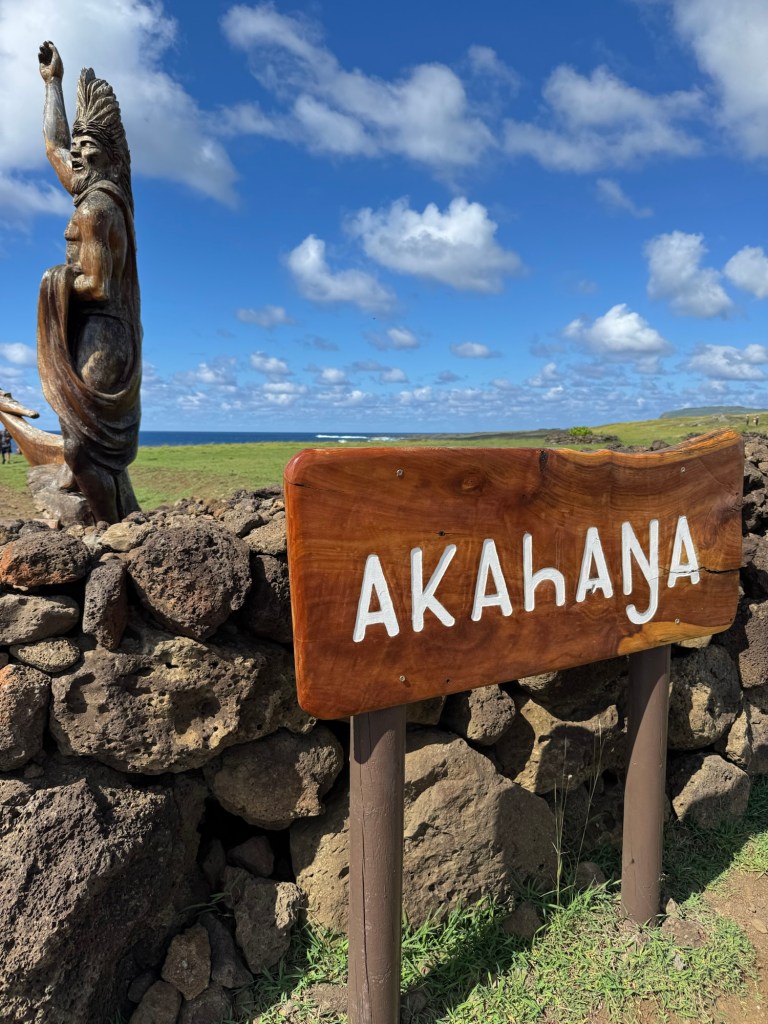
Akahanga – a small cave and unrestored statues.
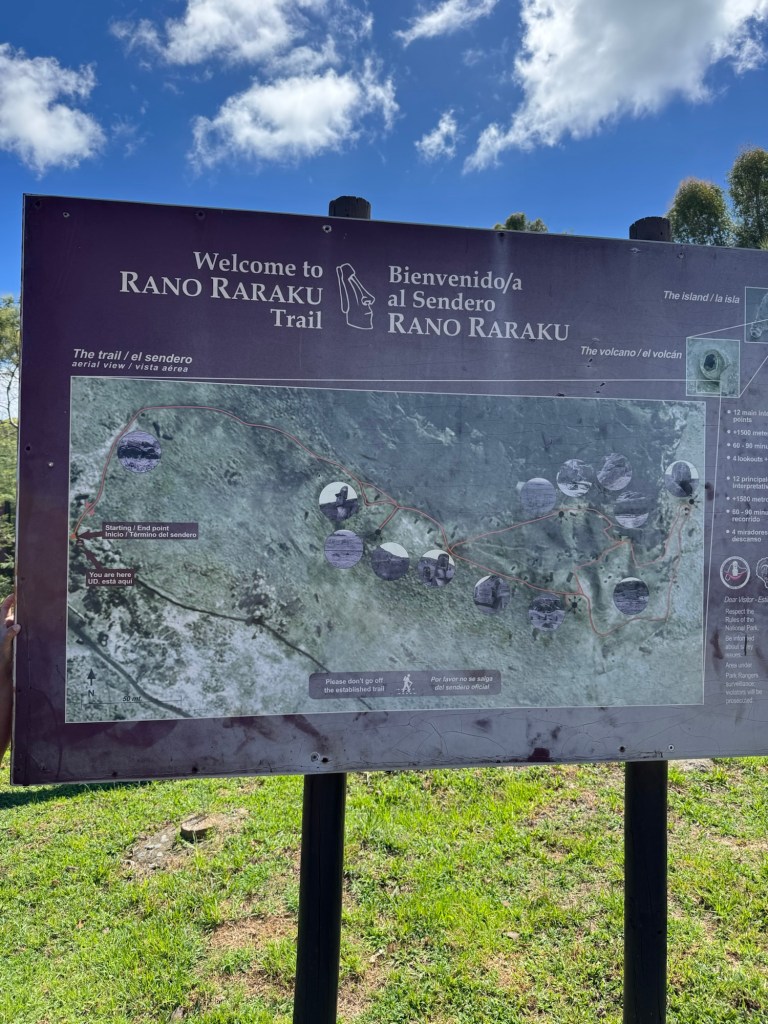
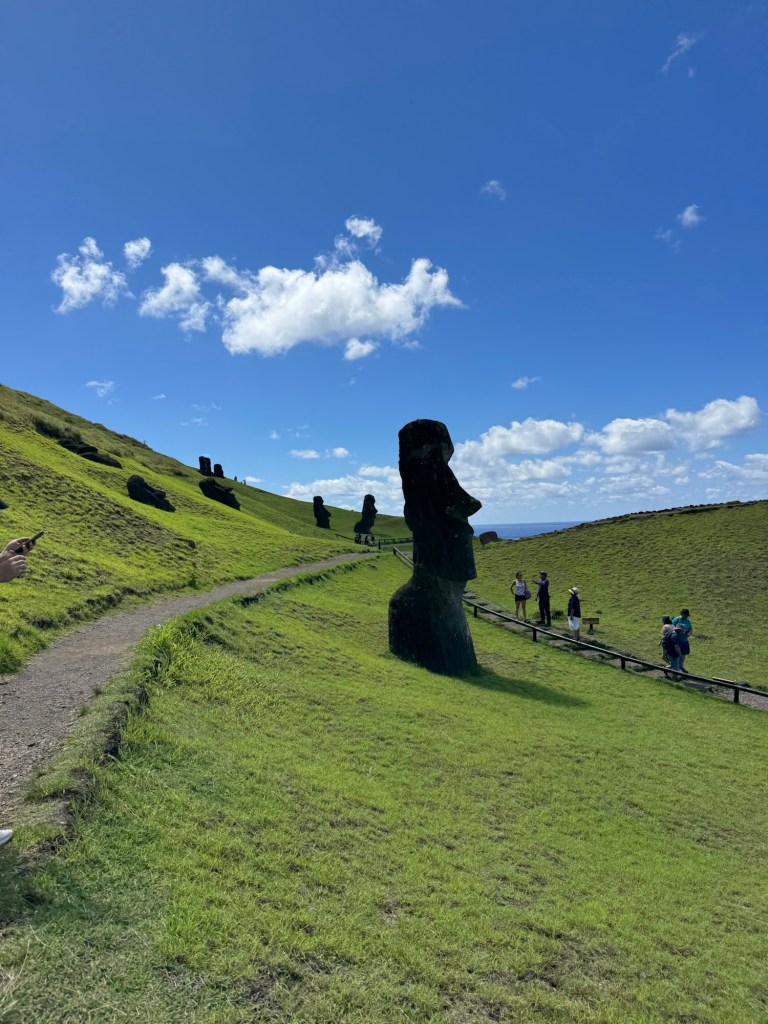
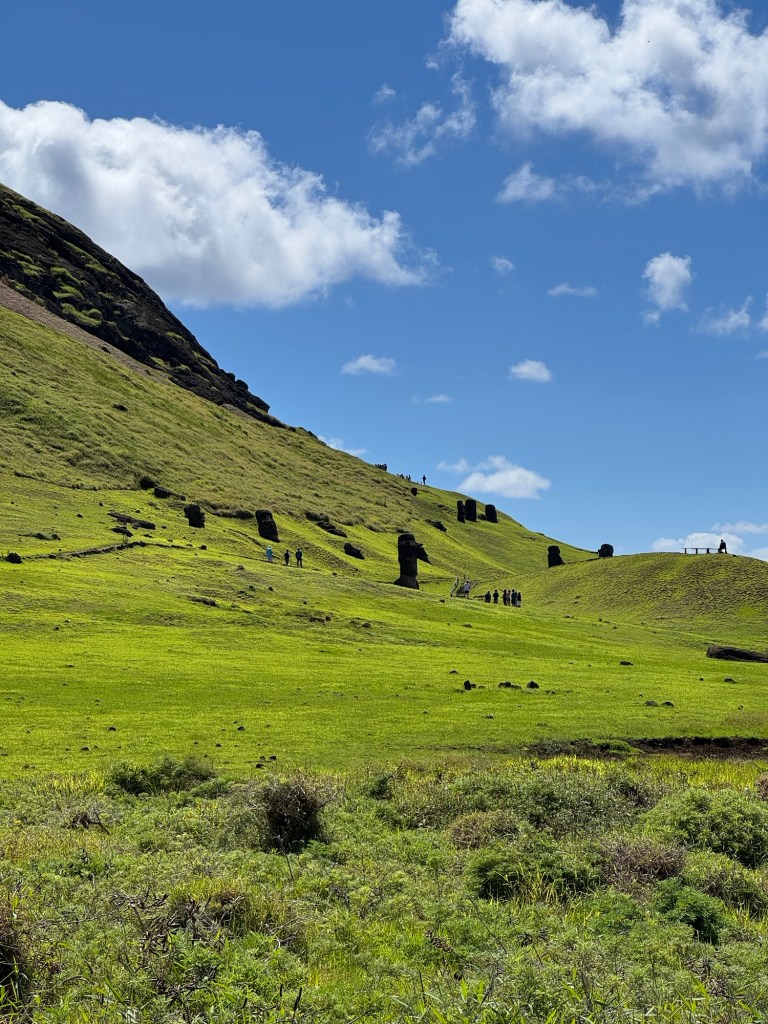
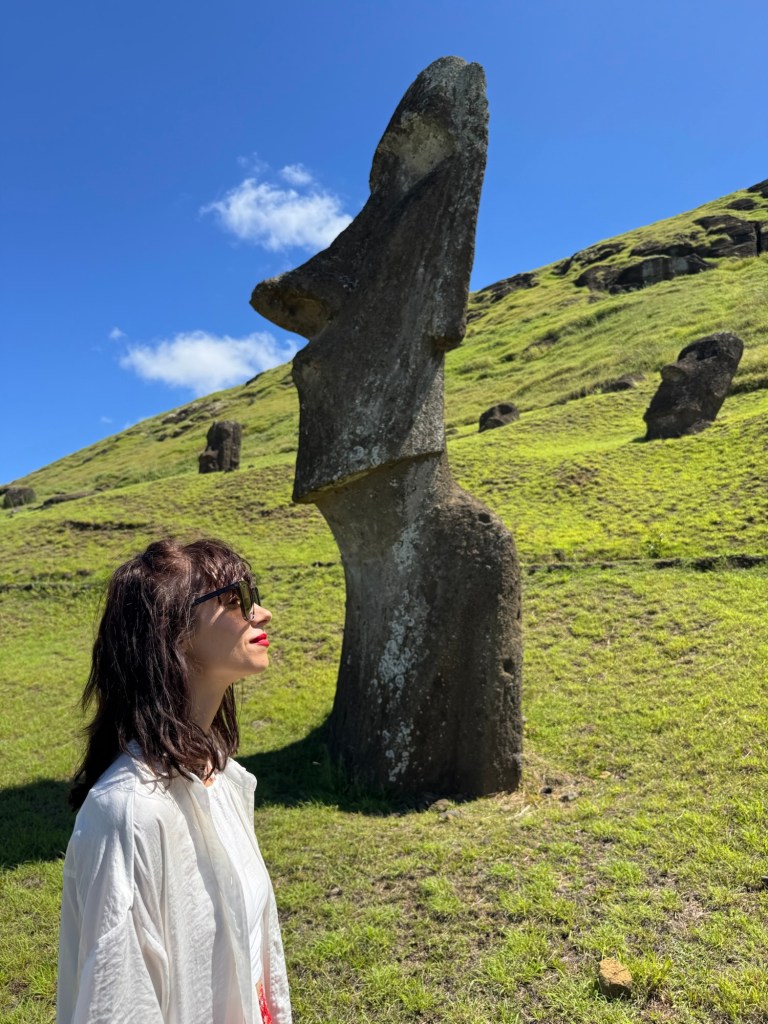
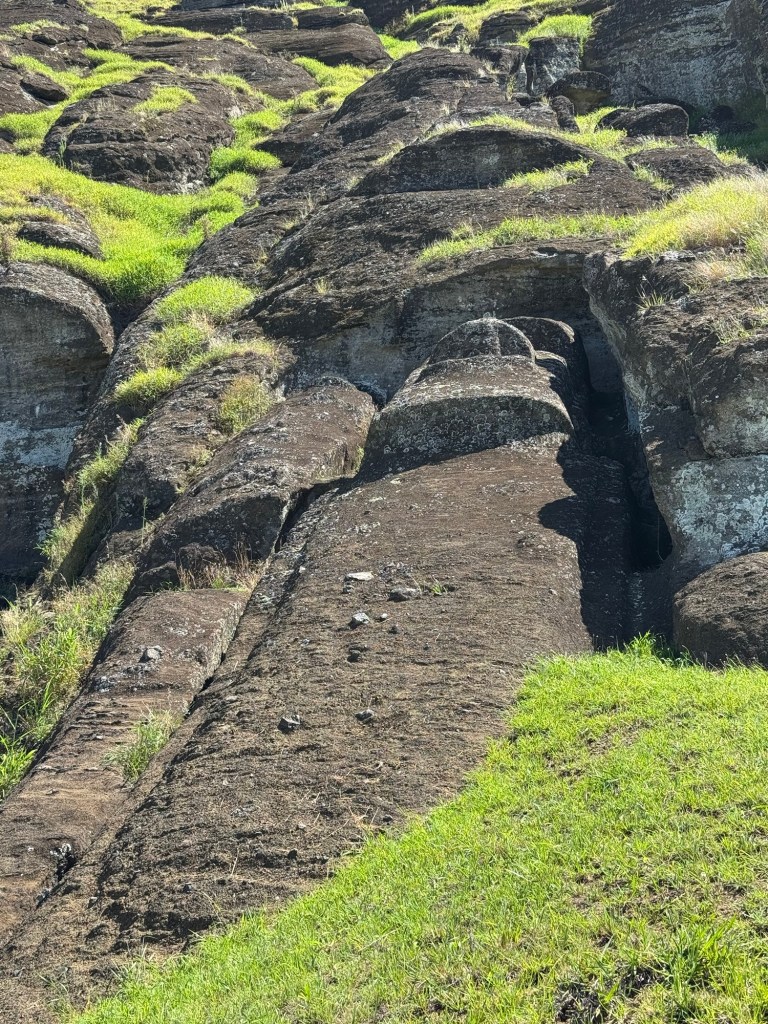
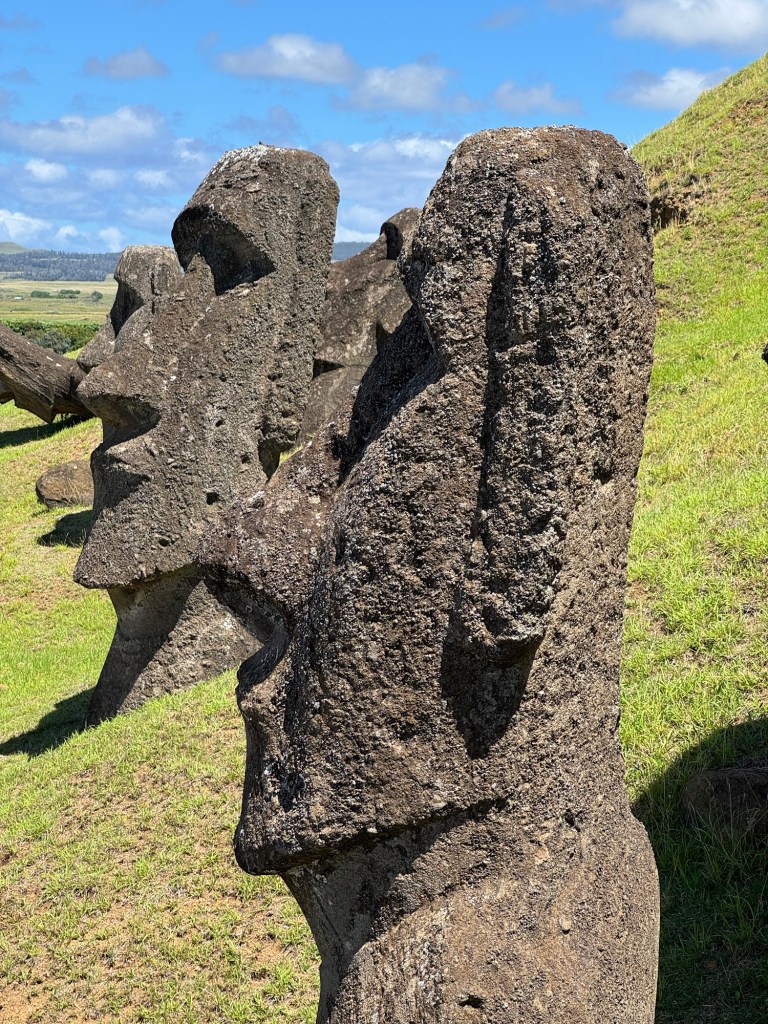
Rano Raraku – the Moai quarry. This is one of the most incredible archaeological sites I’ve ever seen. You’ll find unfinished statues everywhere, which give insight into their construction. A favorite place on the island.
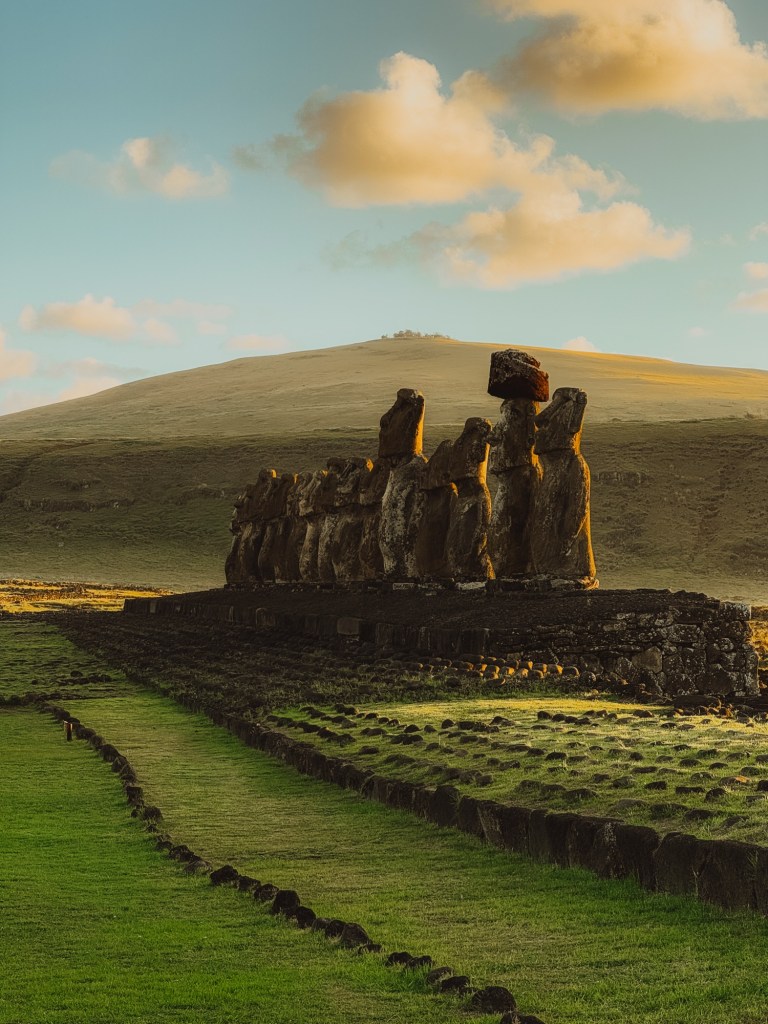
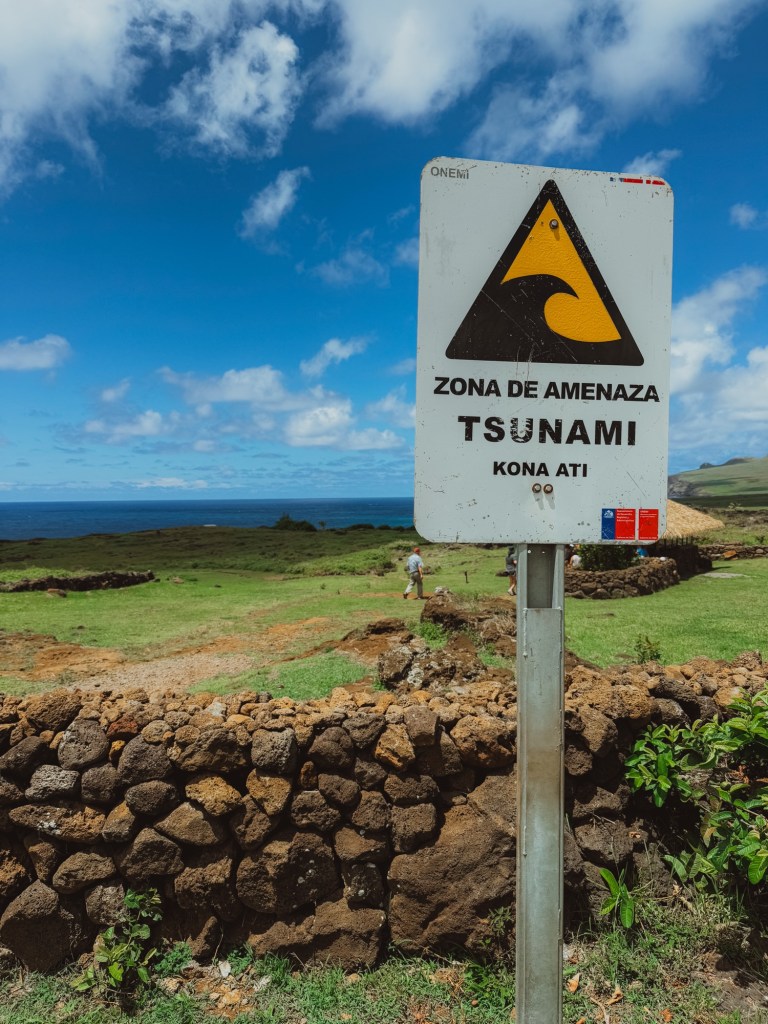
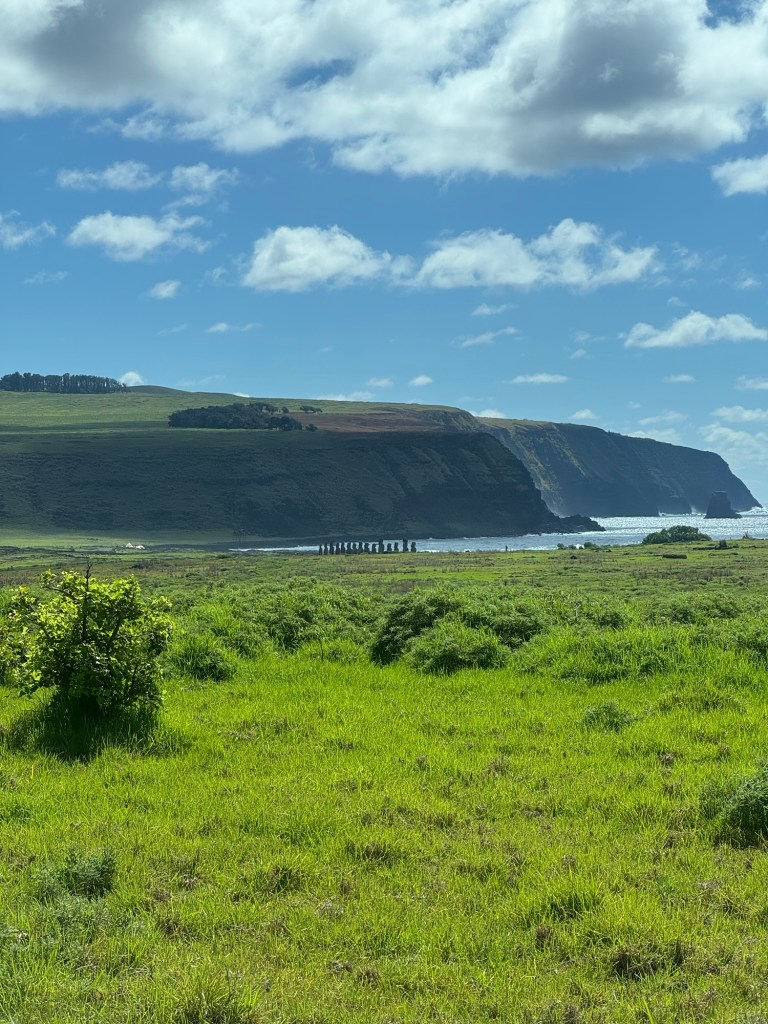
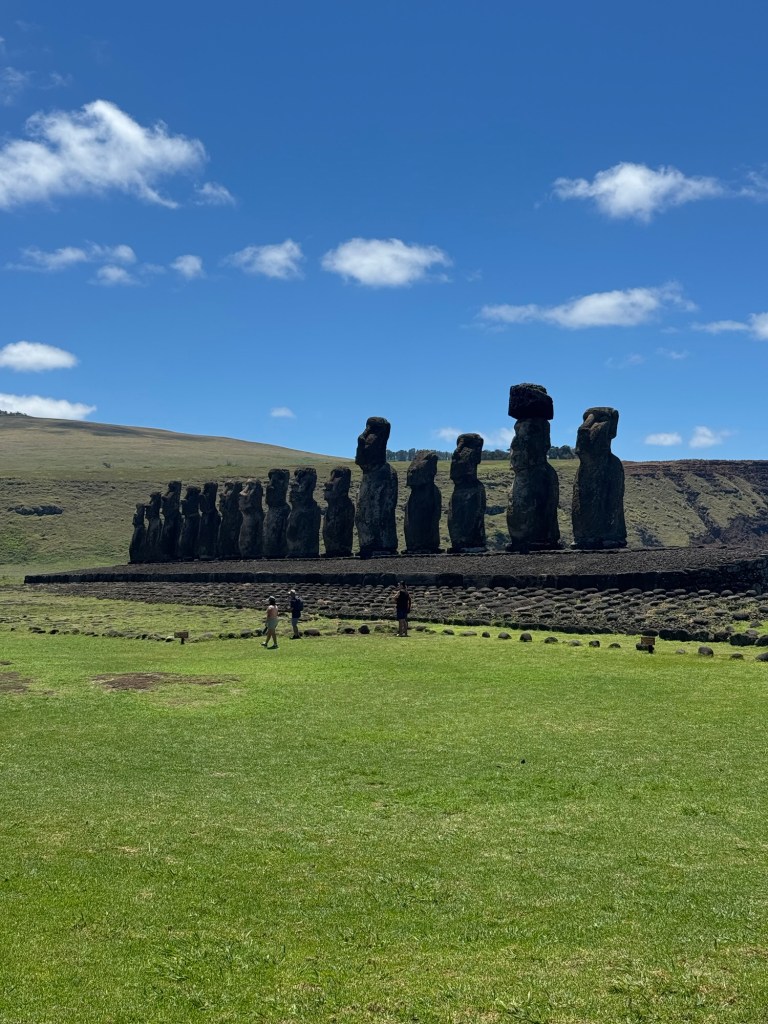
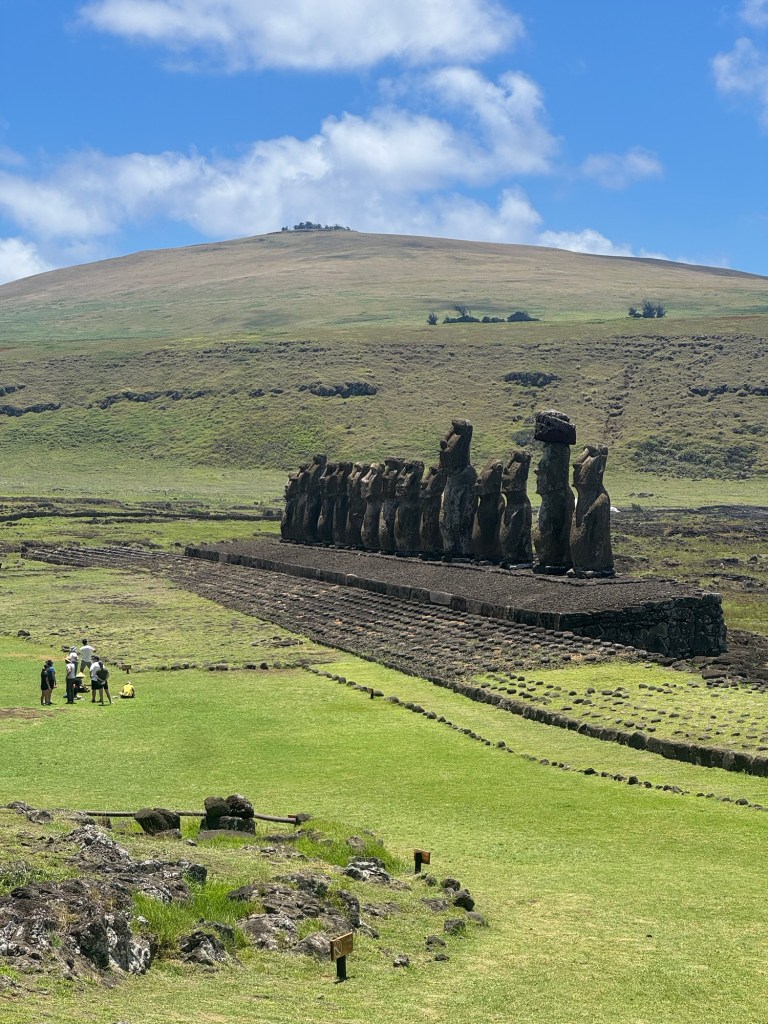
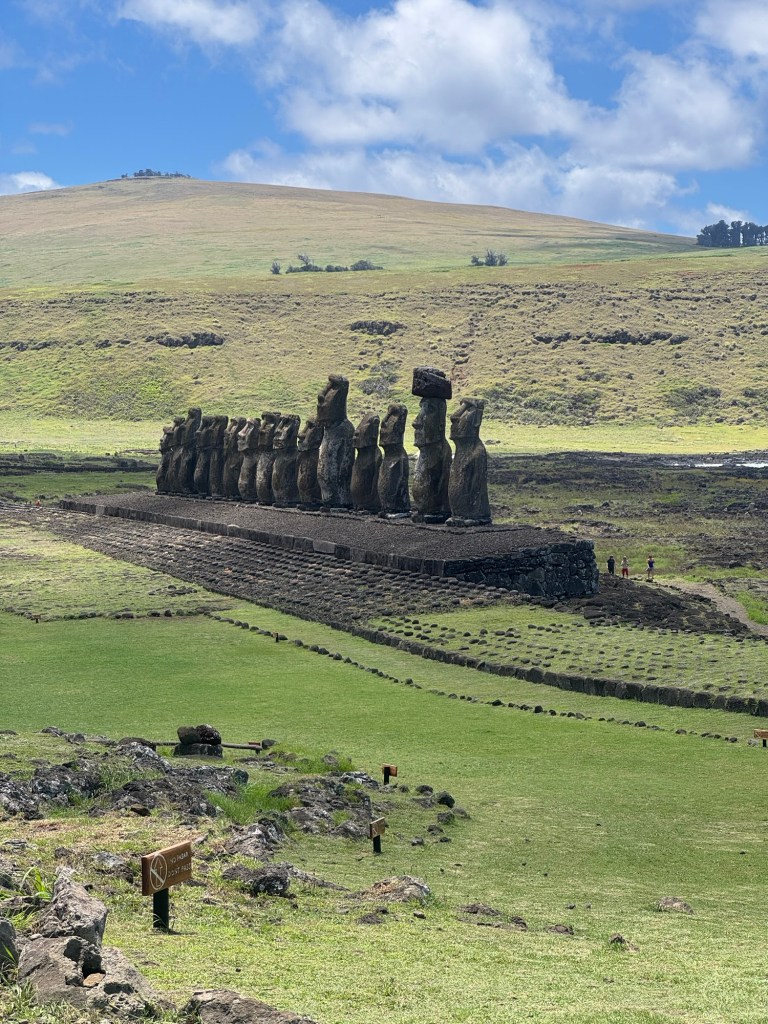
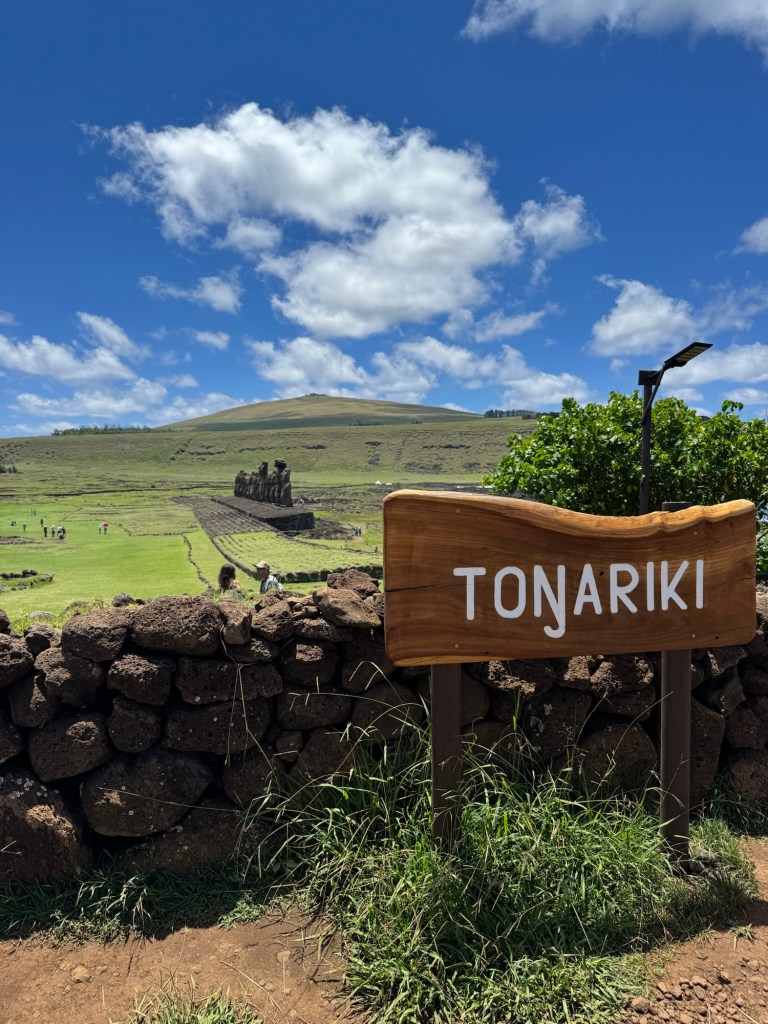
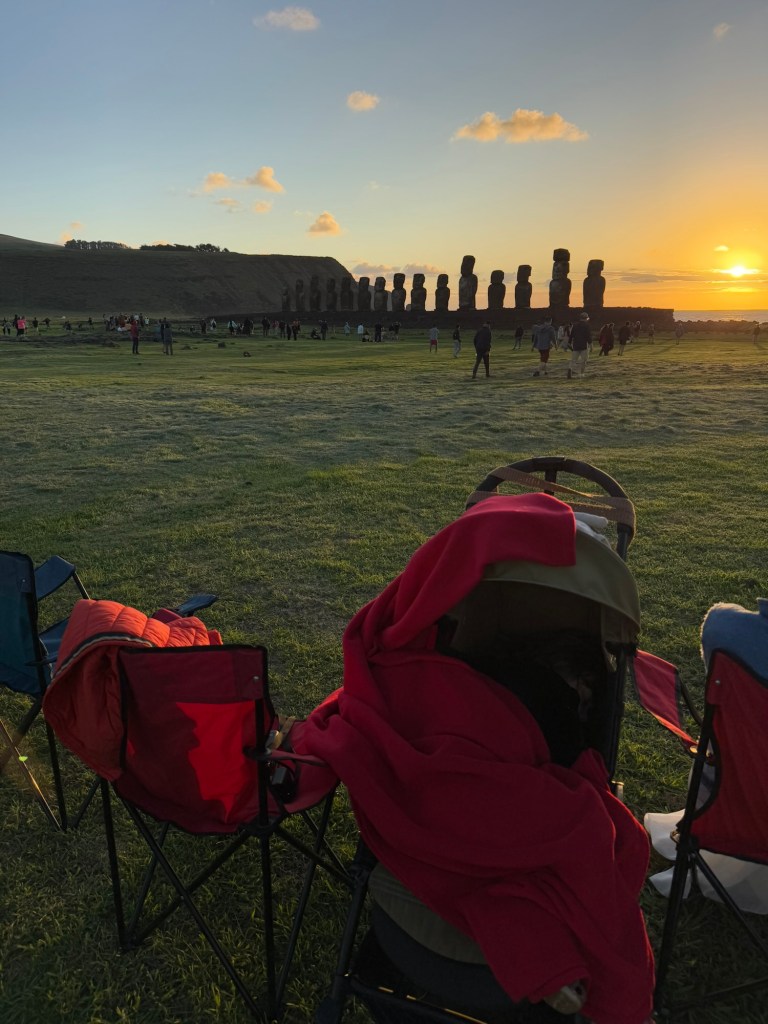
Ahu Tongariki – the iconic platform with 15 Moai, the largest on the island. It was destroyed in the 1960 Chilean earthquake and tsunami but later restored. Also, amazing place, such a vibration.
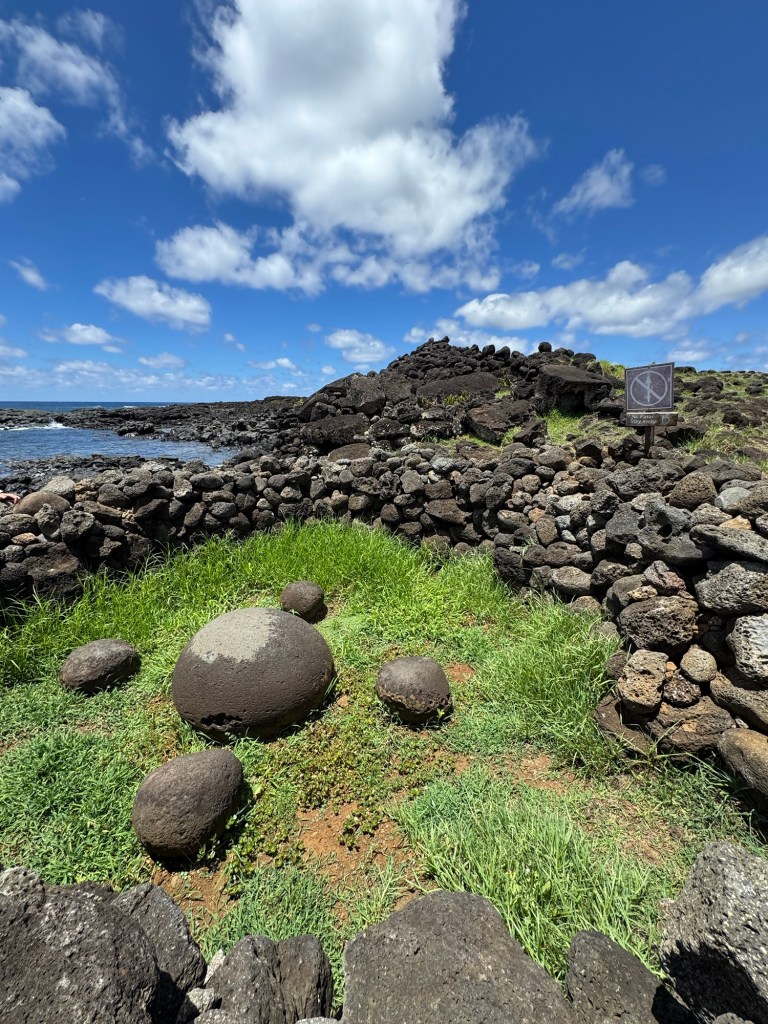
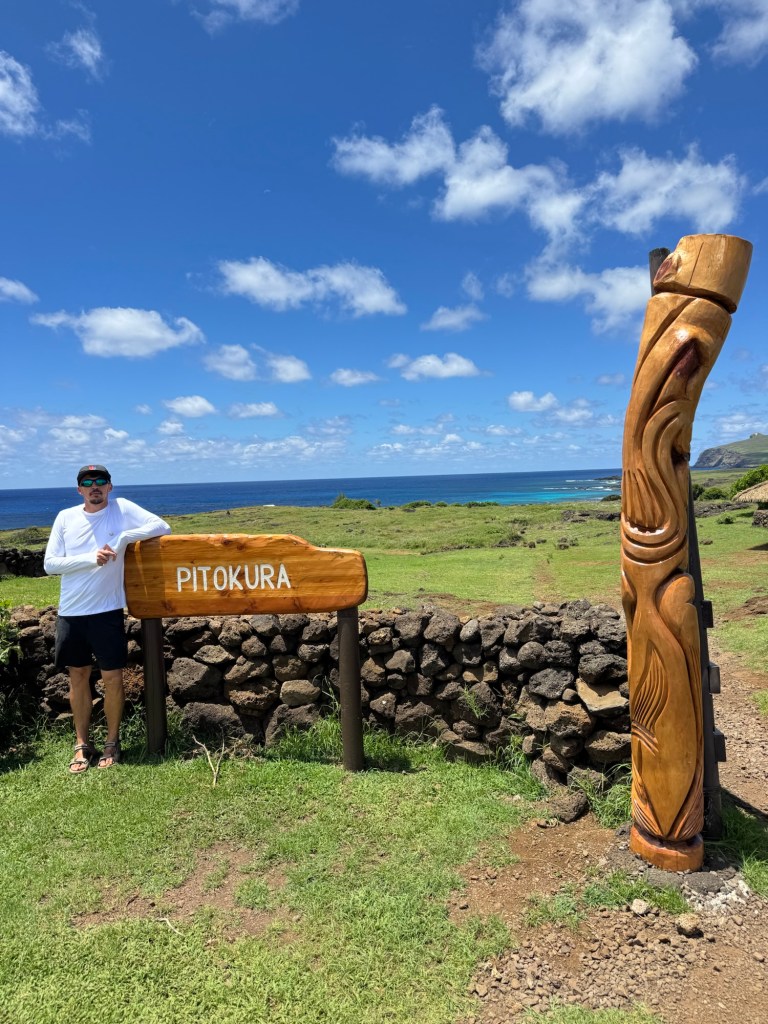
Te Pito Kura – the largest transported Moai, 10m tall and over 80 tons but also home to a rock, almost spherical and smooth, which concentrates a magnetic and supernatural energy called mana. Because of its high iron content, this stone warms up more than others and causes the compass to behave strangely. It cannot be touched.
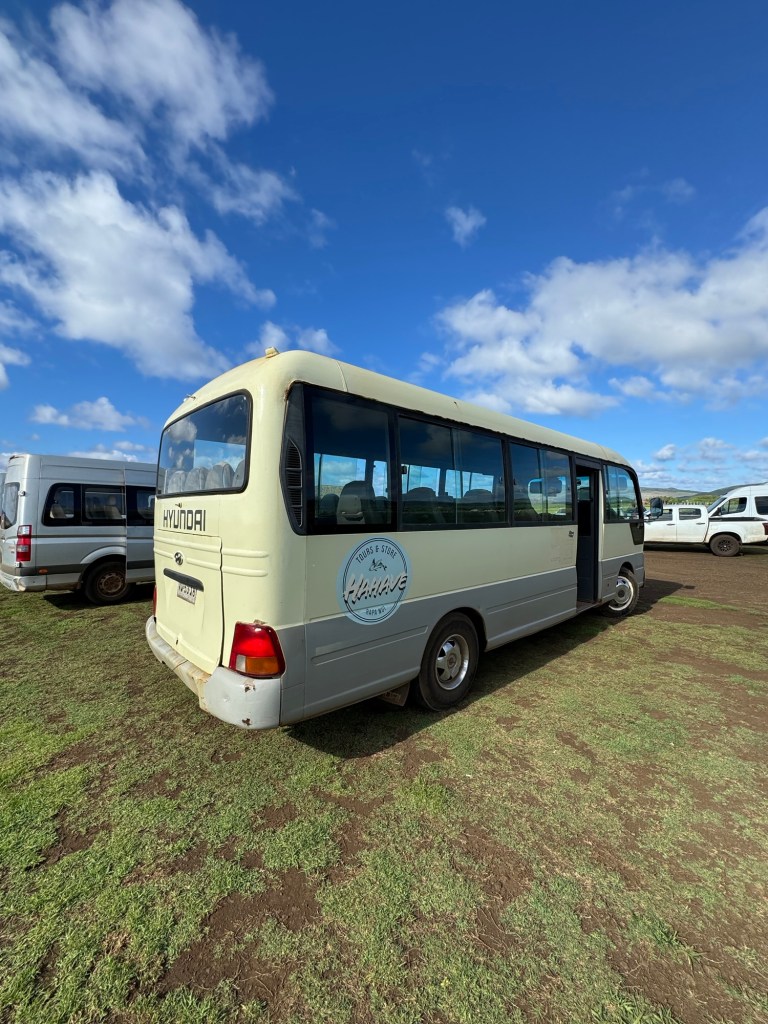
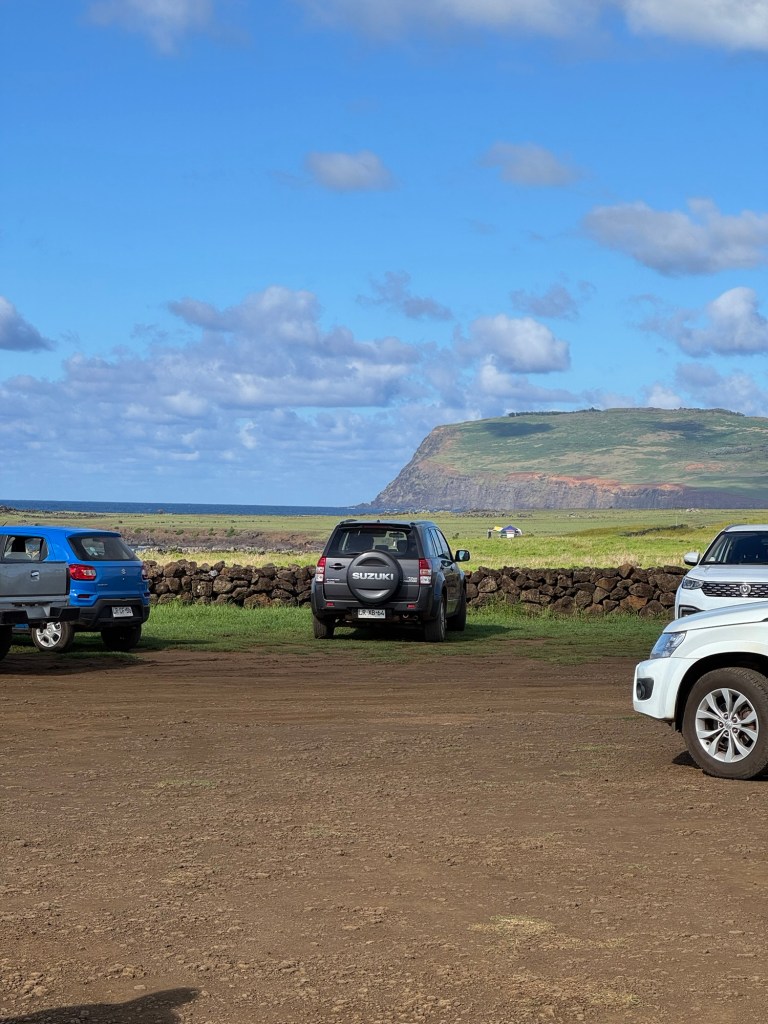
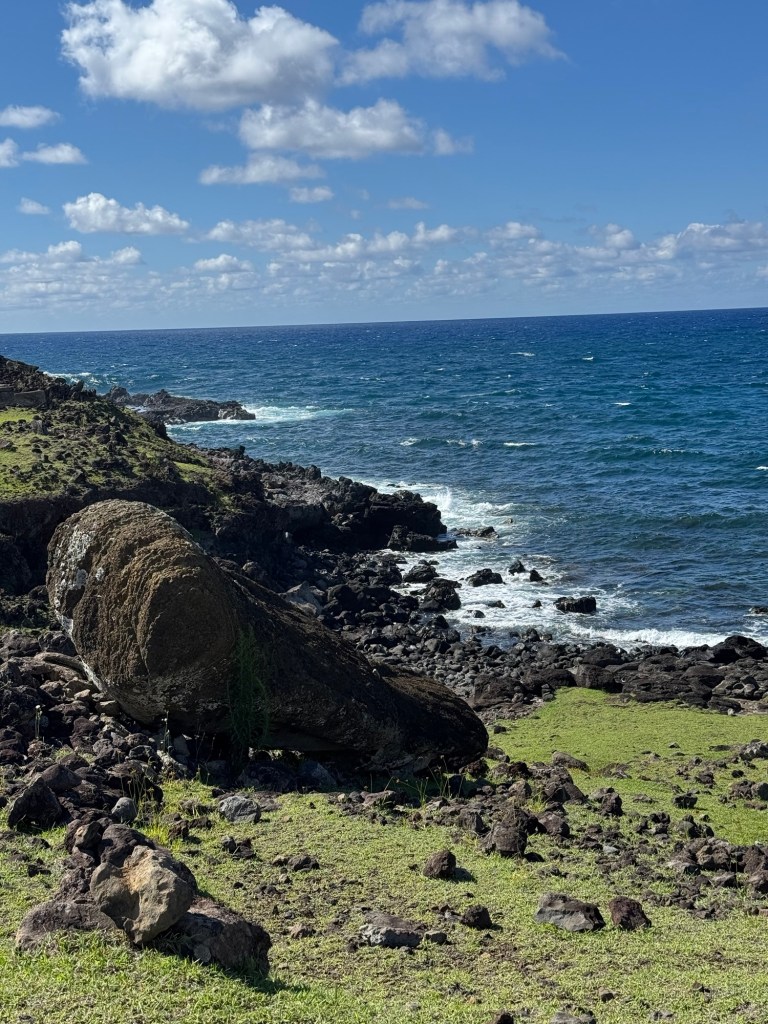
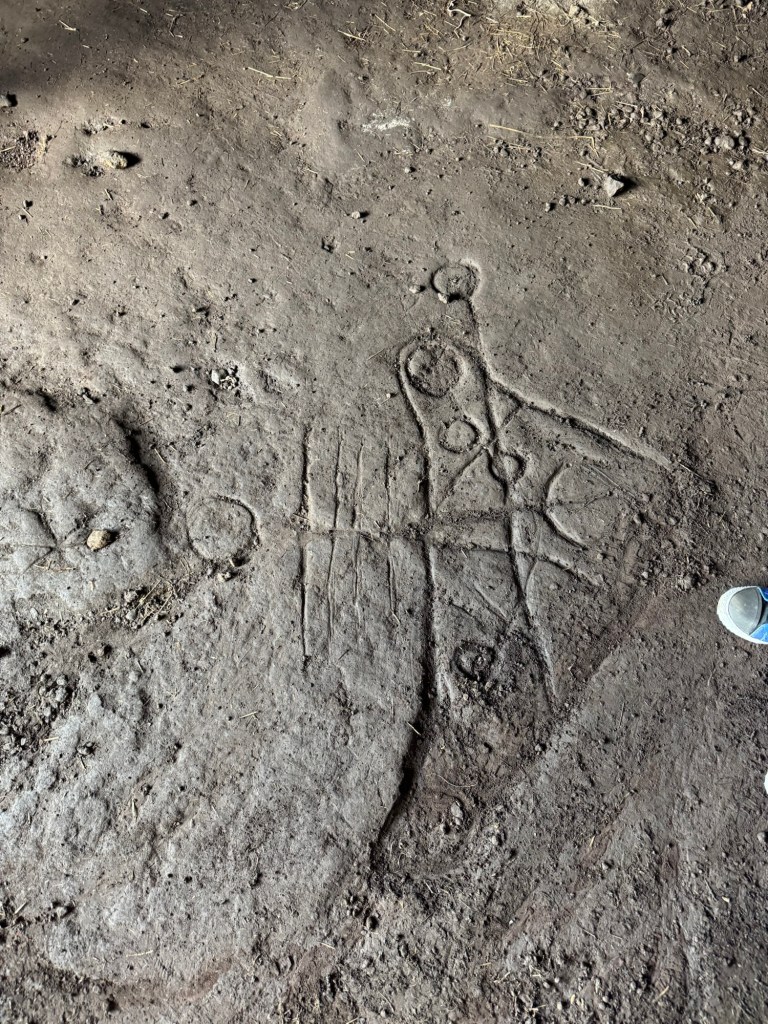
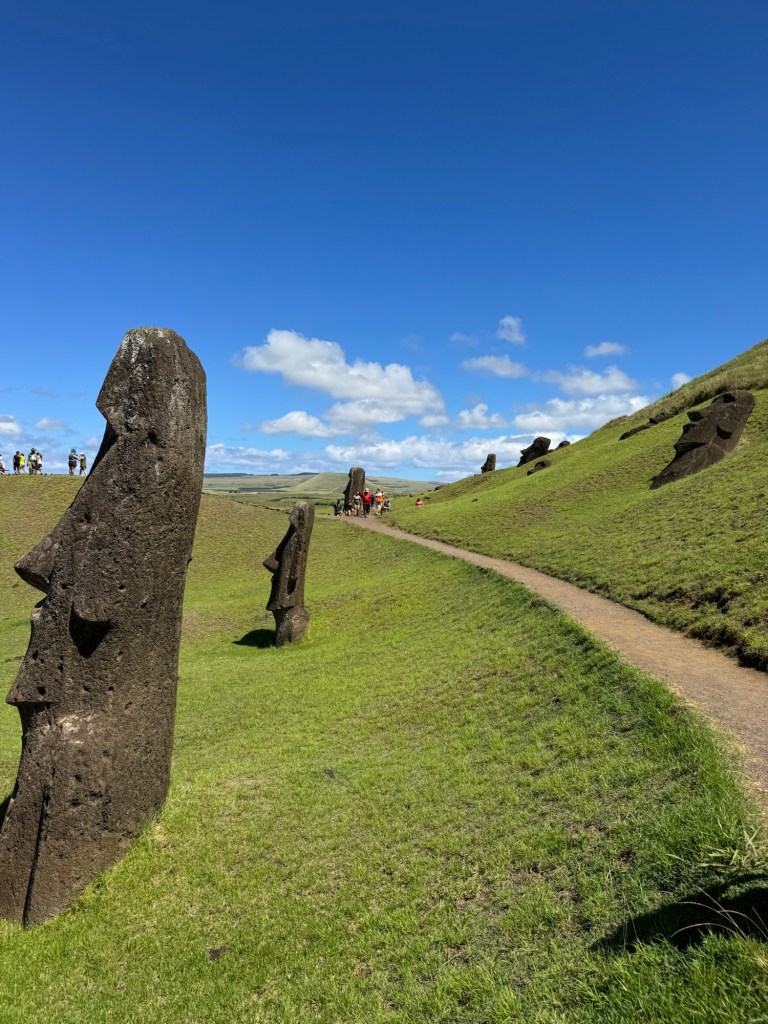
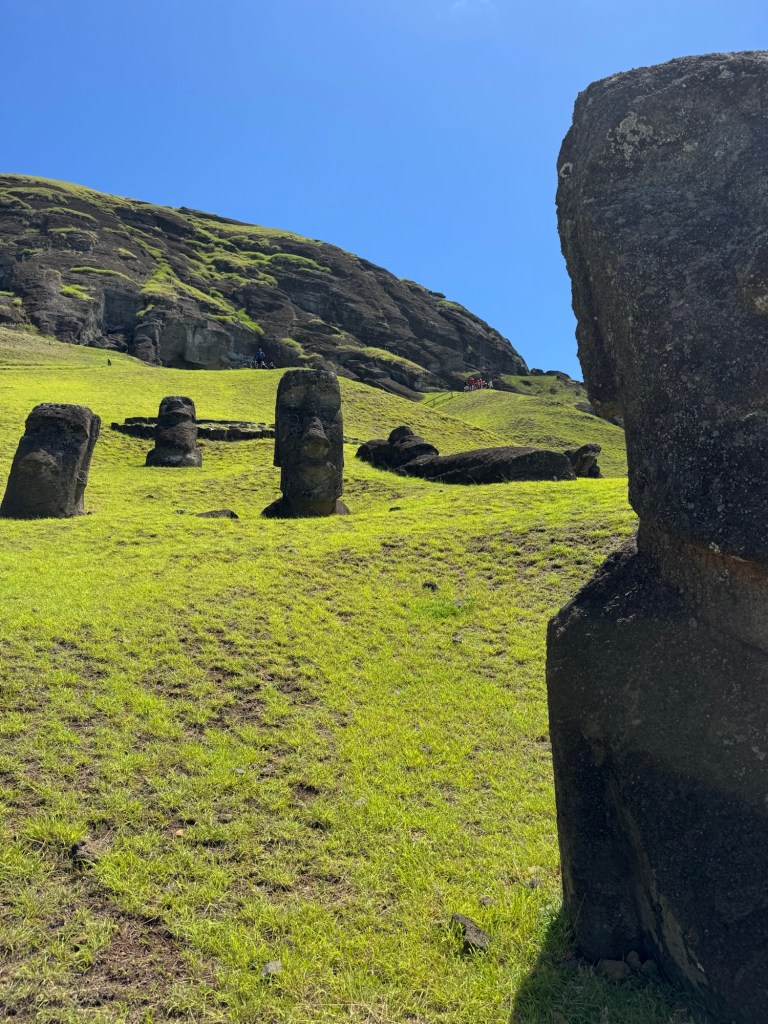
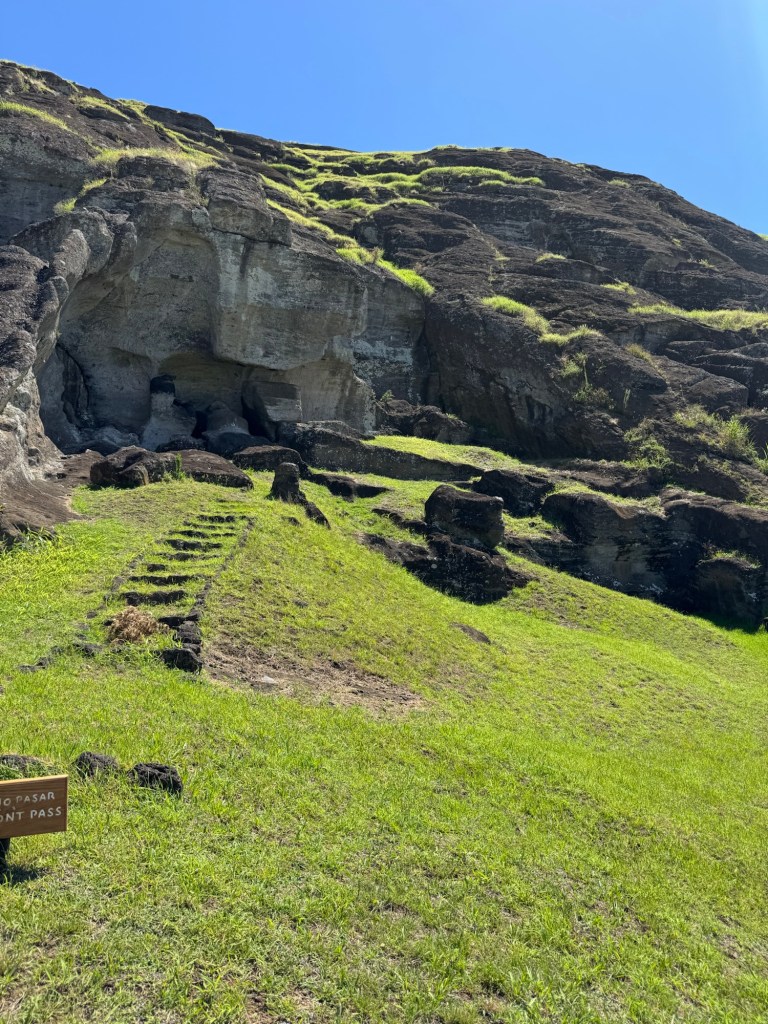
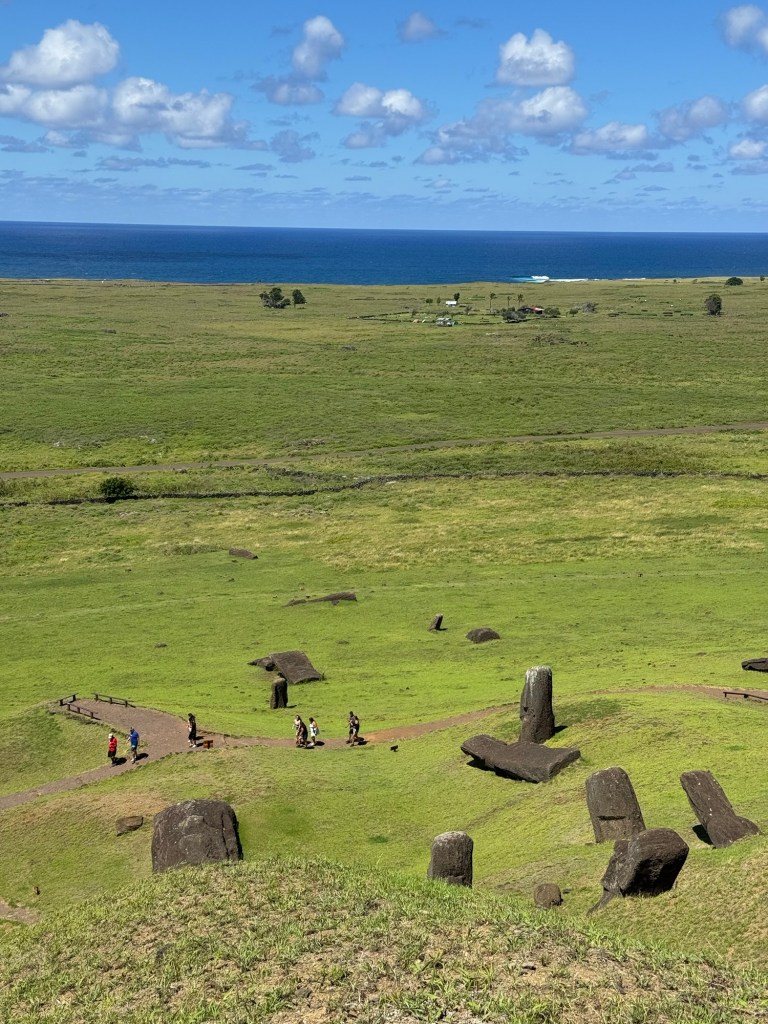
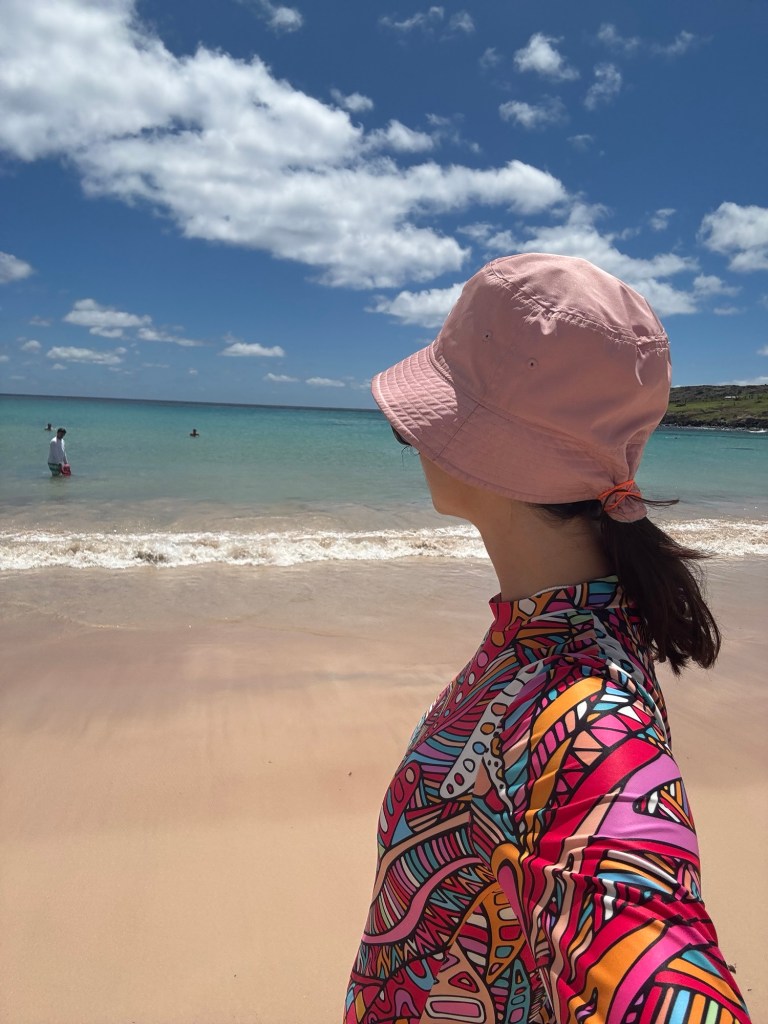
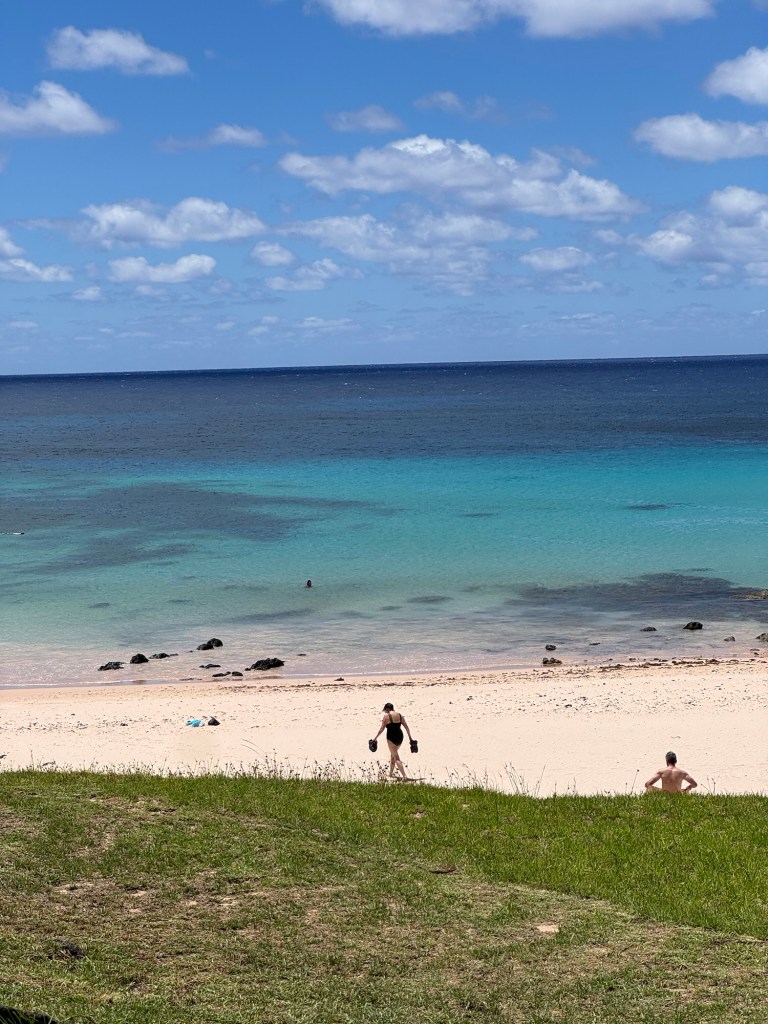
Anakena – the beach, where we spent the last 2 hours of the tour. You already know that I love this beach.

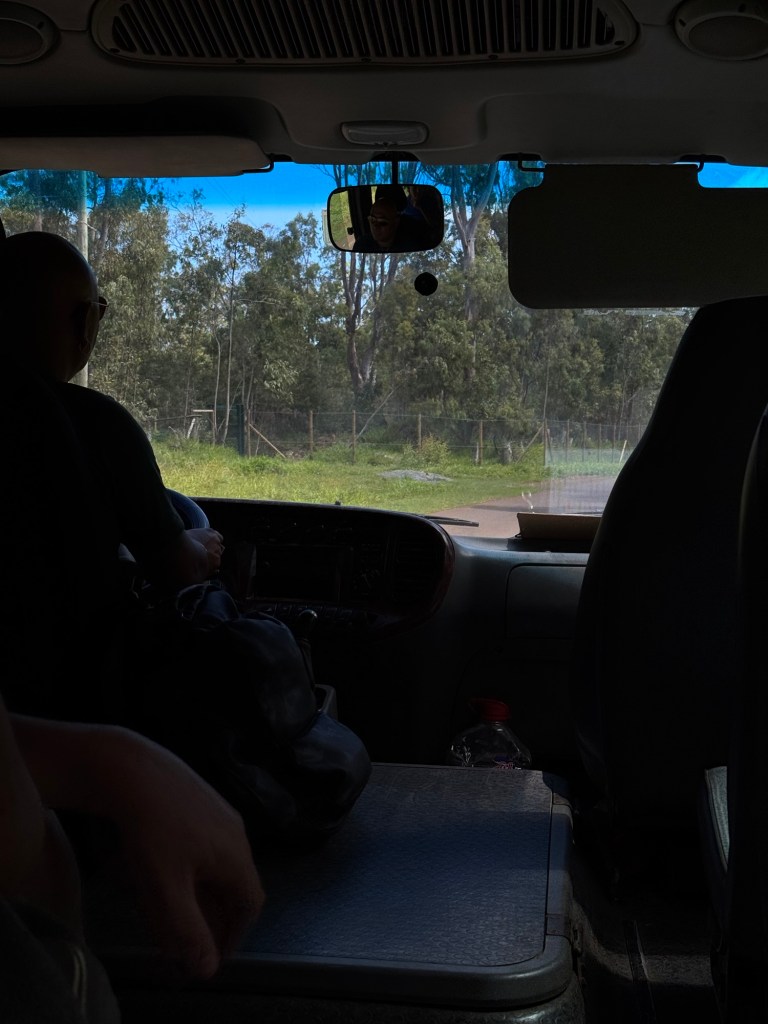
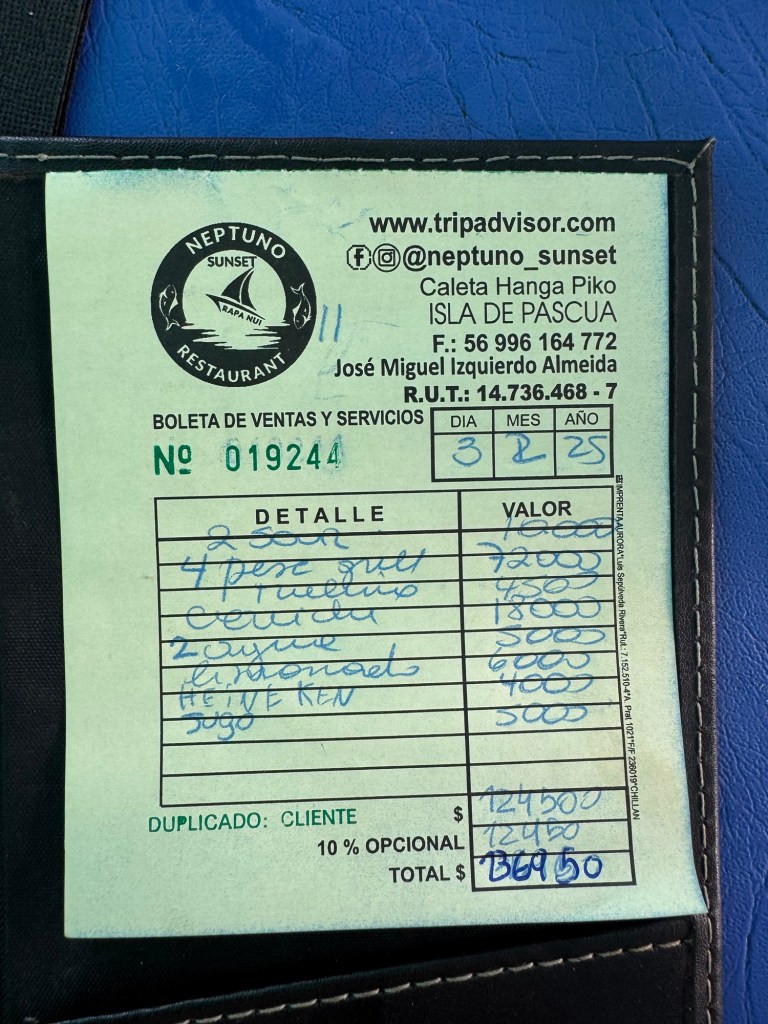
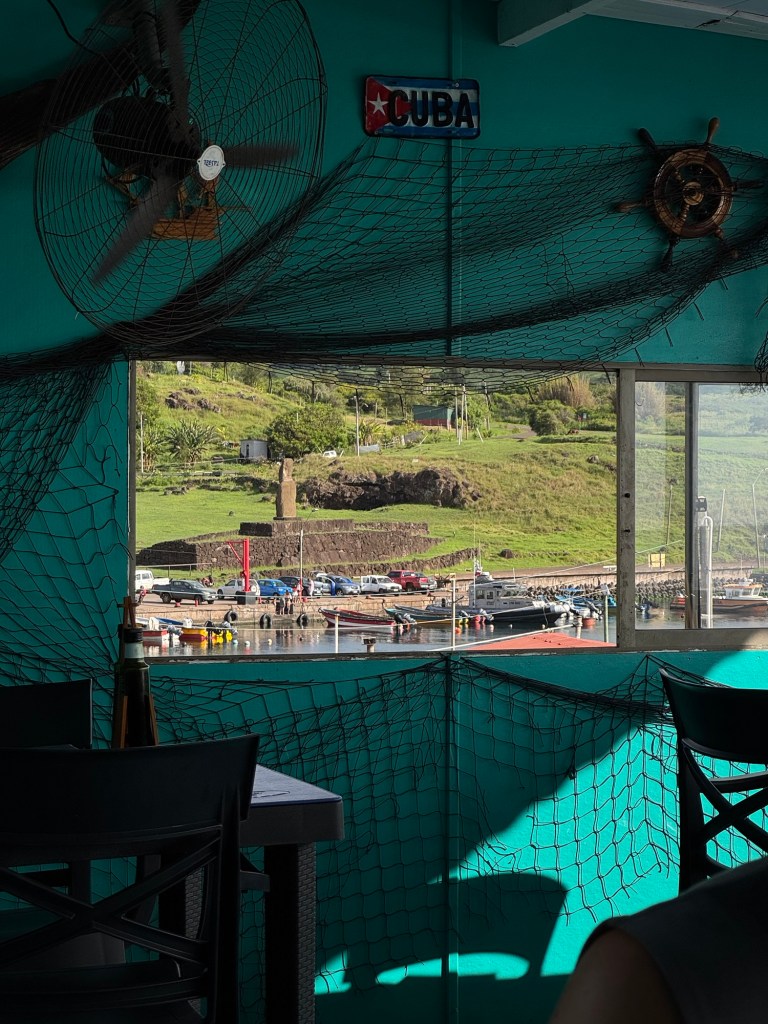
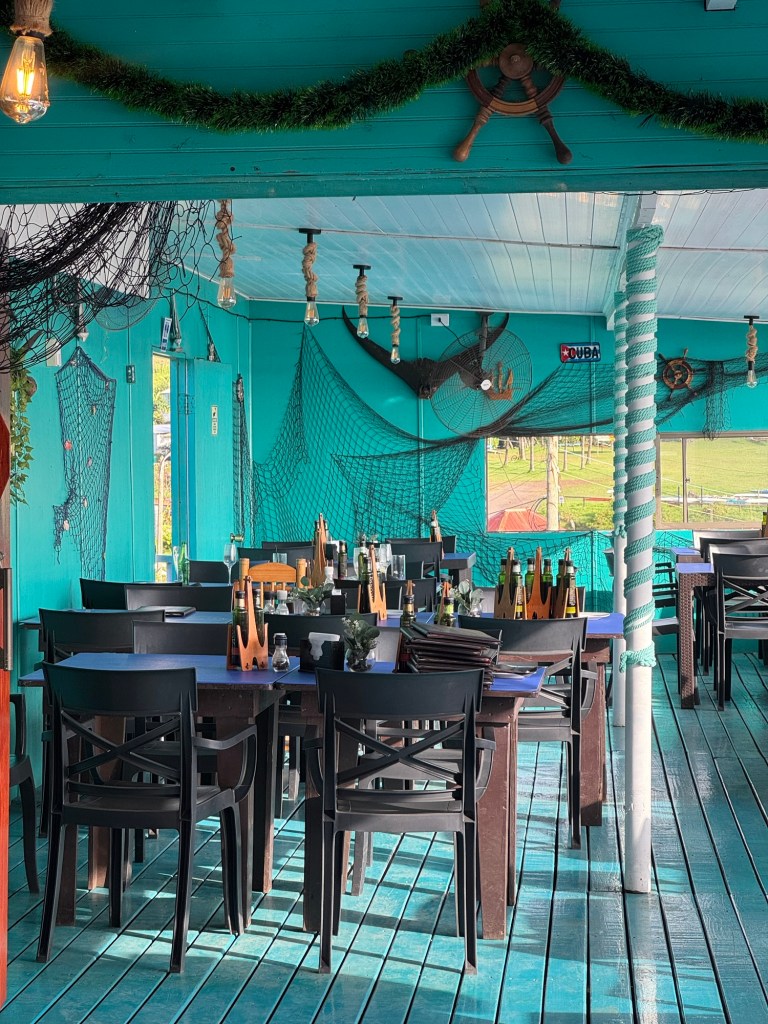
After we were dropped at the accommodation, we decided to have dinner at Neptuno Sunset and then, again, go to the Festival.
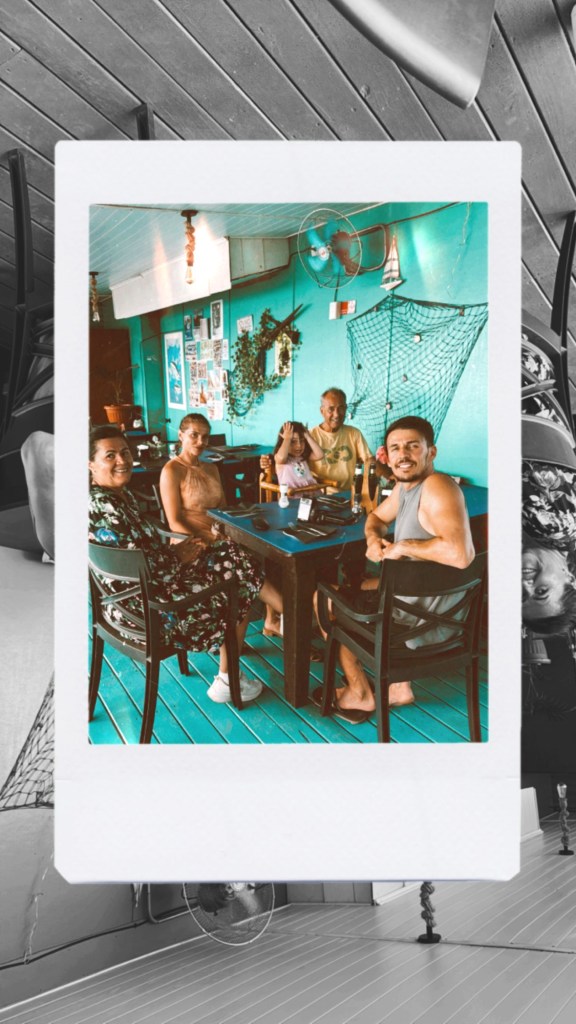
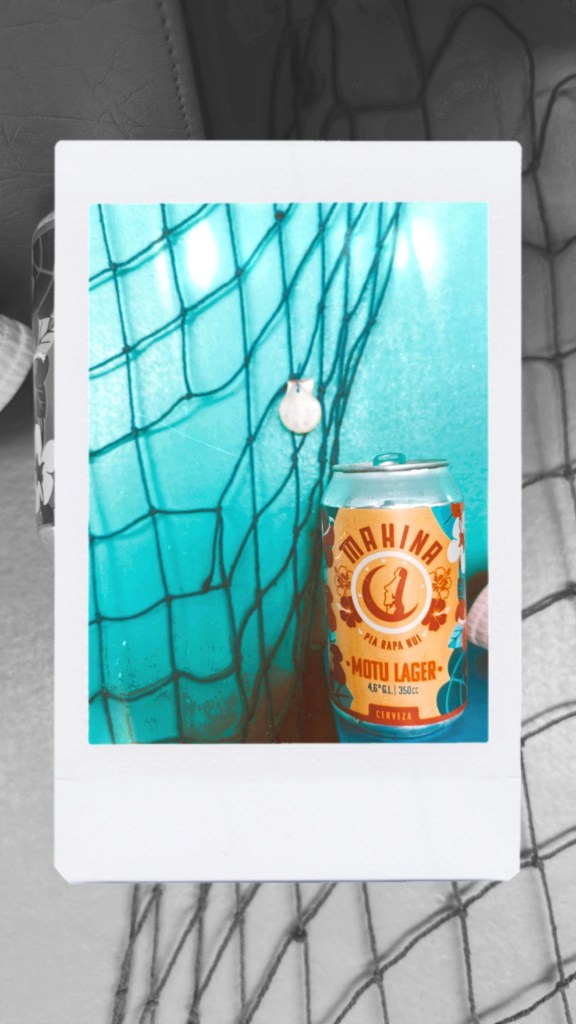
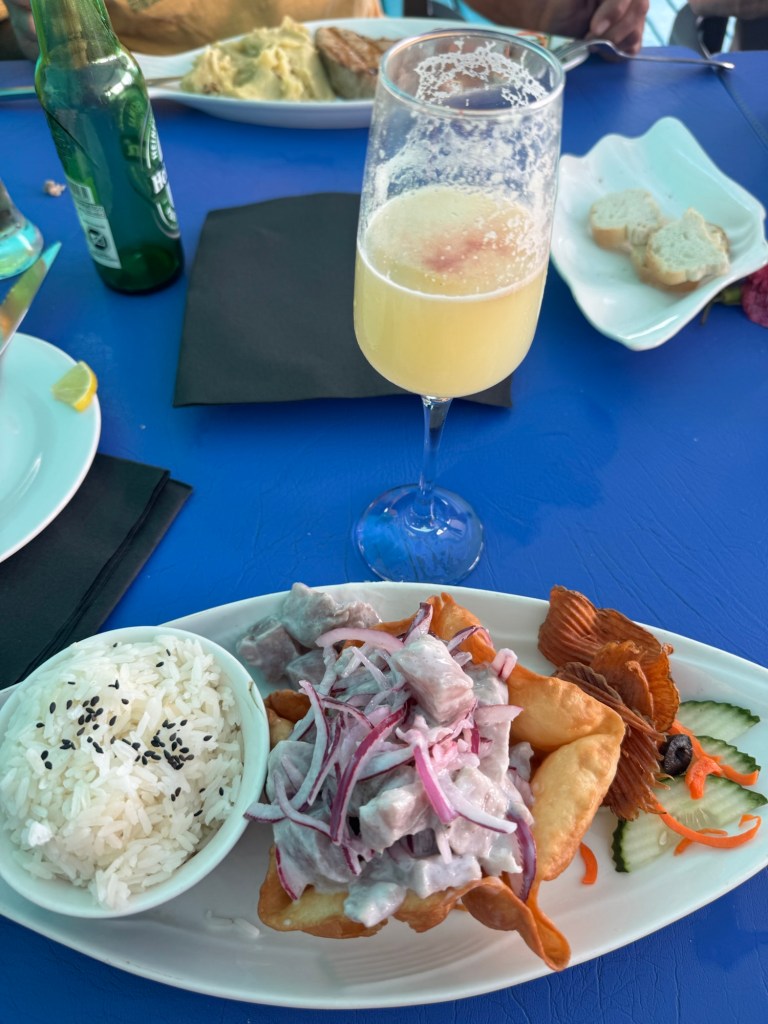
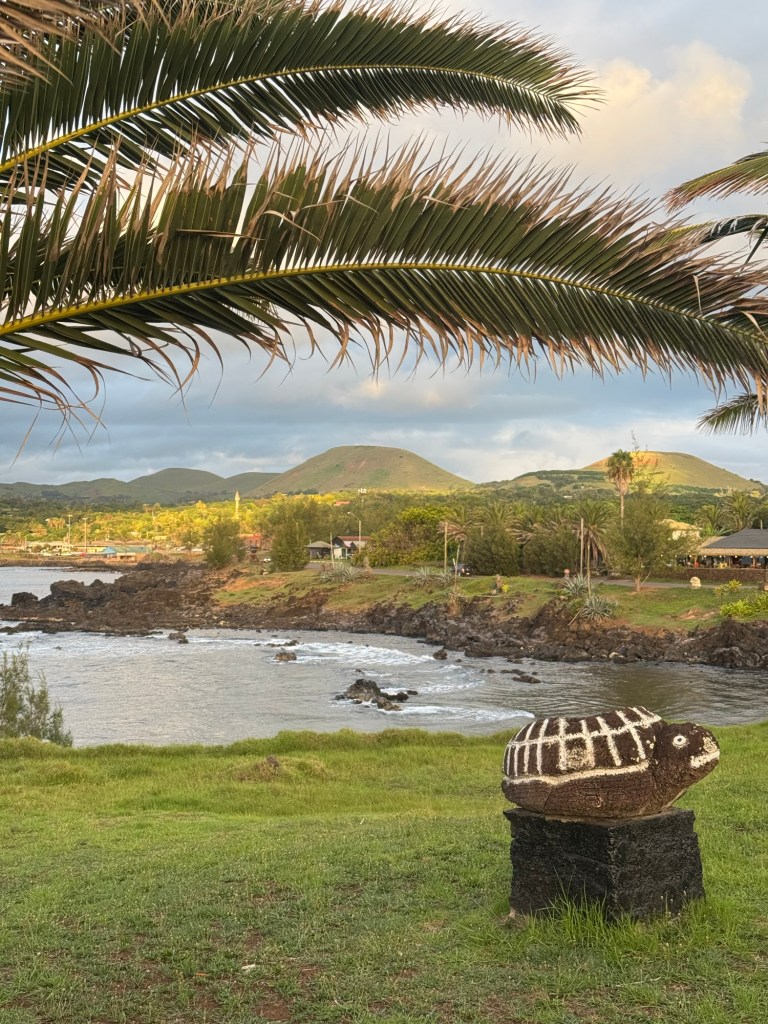
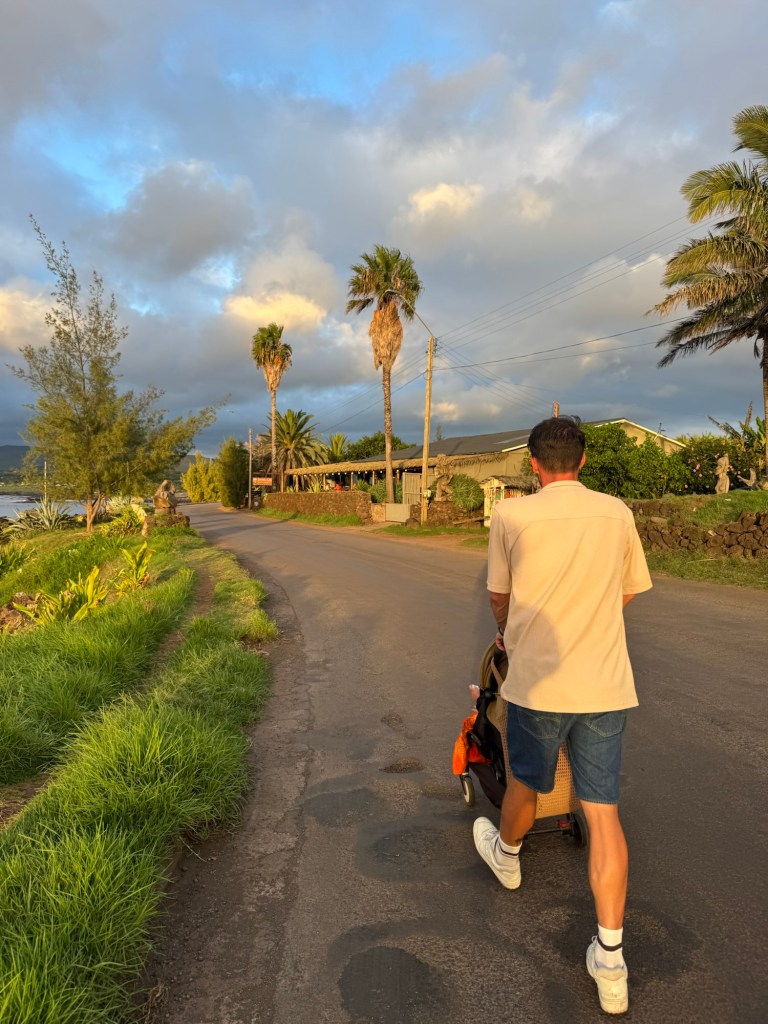
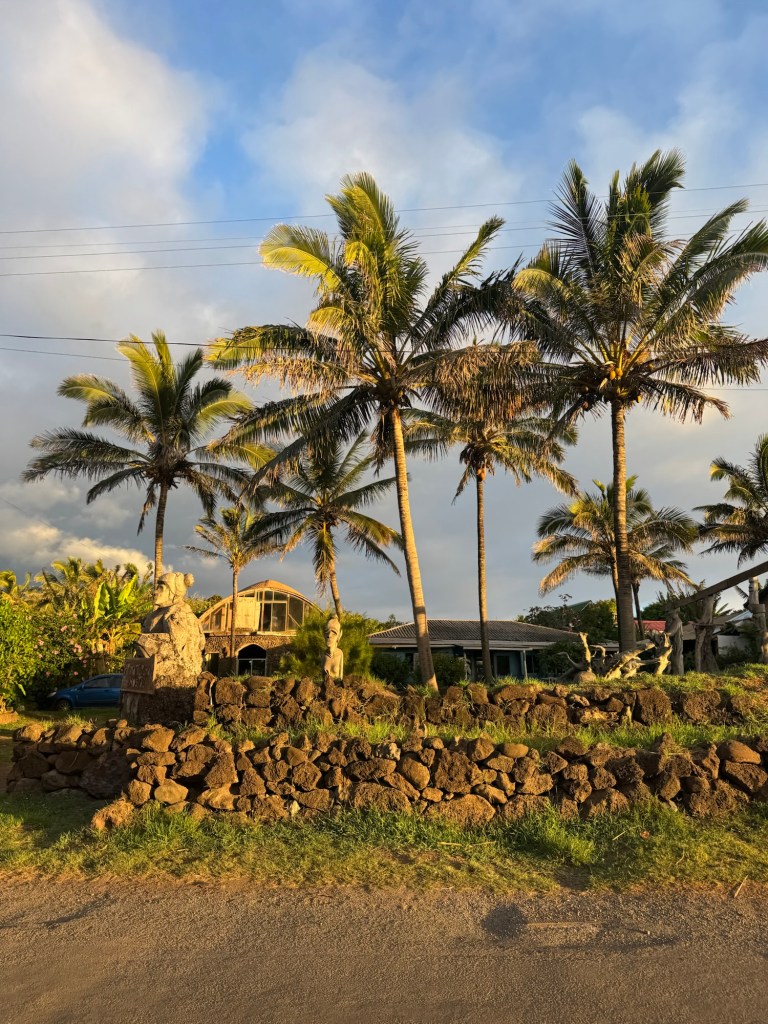
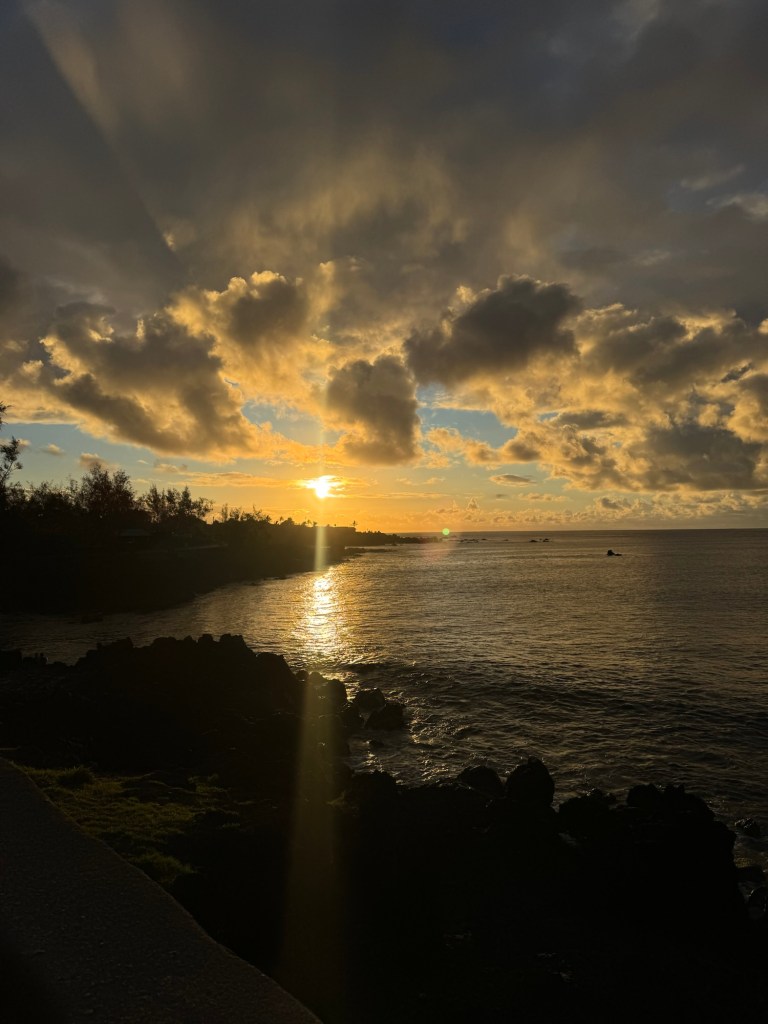
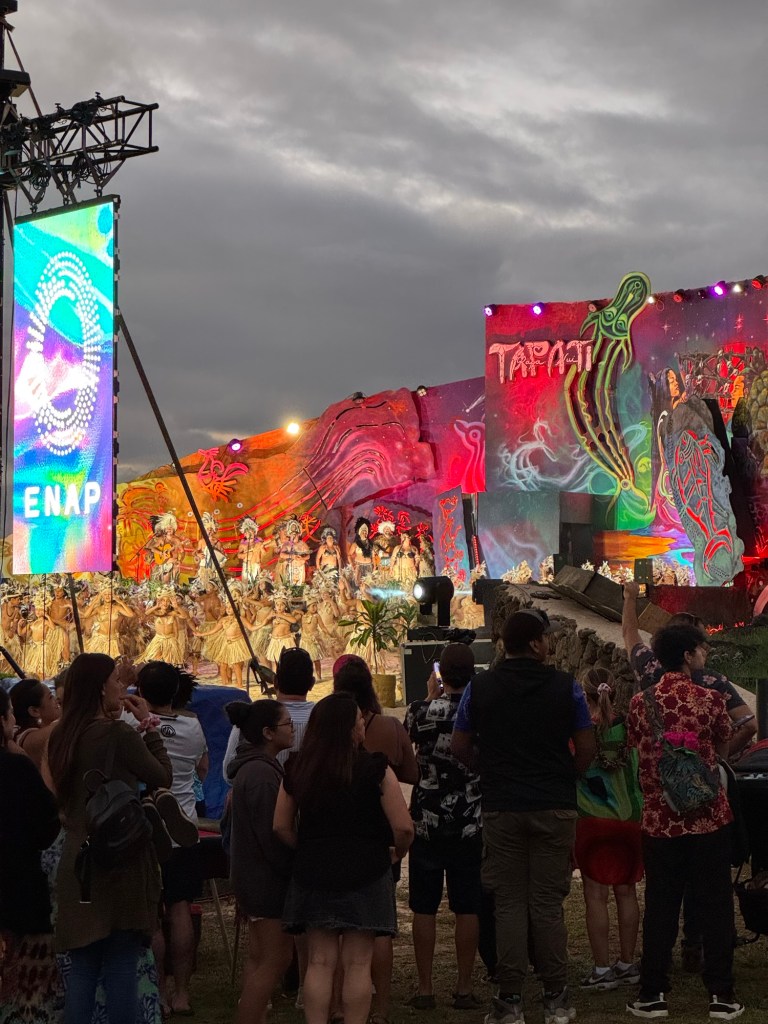
Day 4: Half-Day “Hopu Manu” Tour (09:30–14:30)
The day started again in the morning, same time, 09:30 sharp when the minivan came to pick us up.
We stopped at:
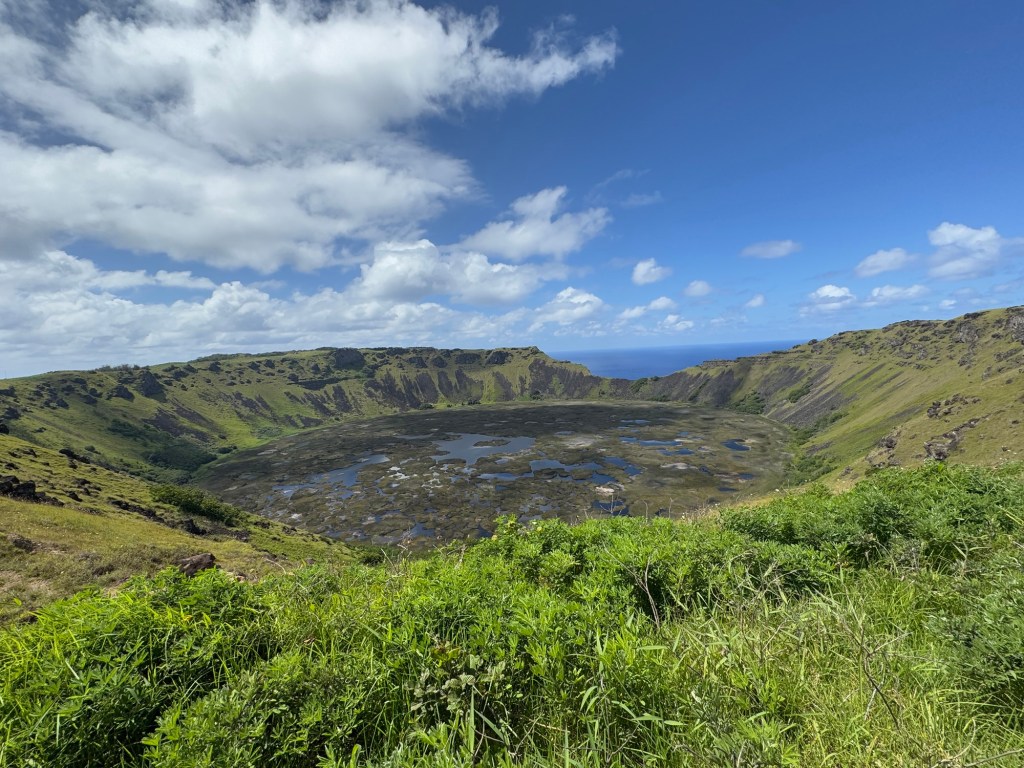
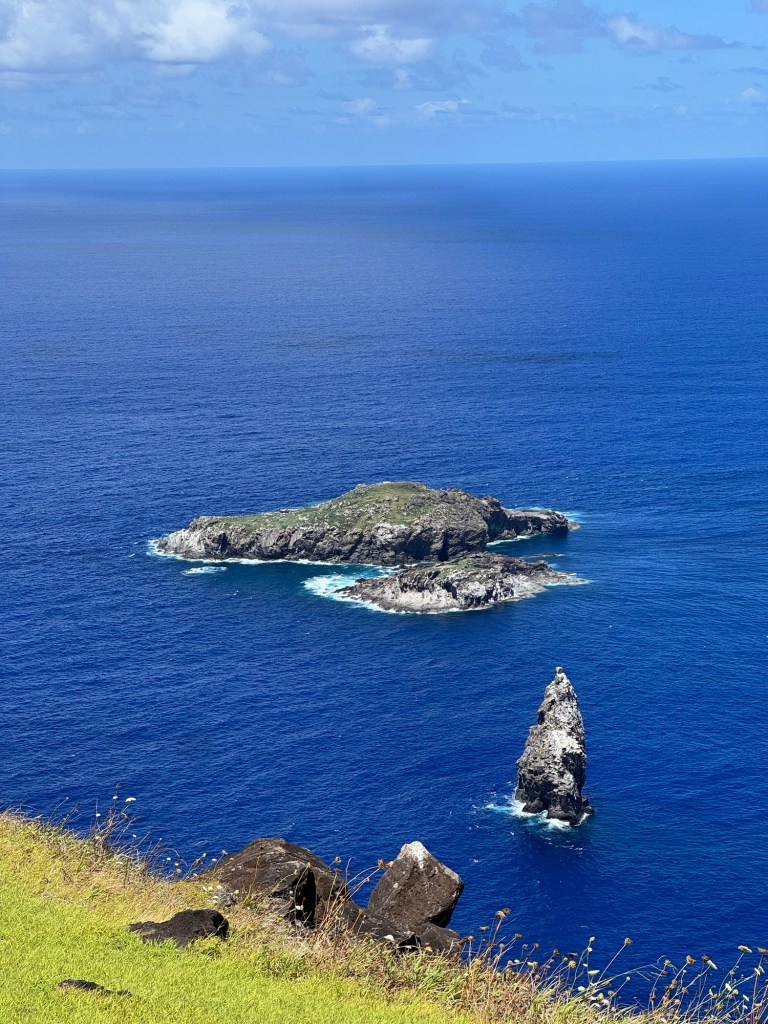
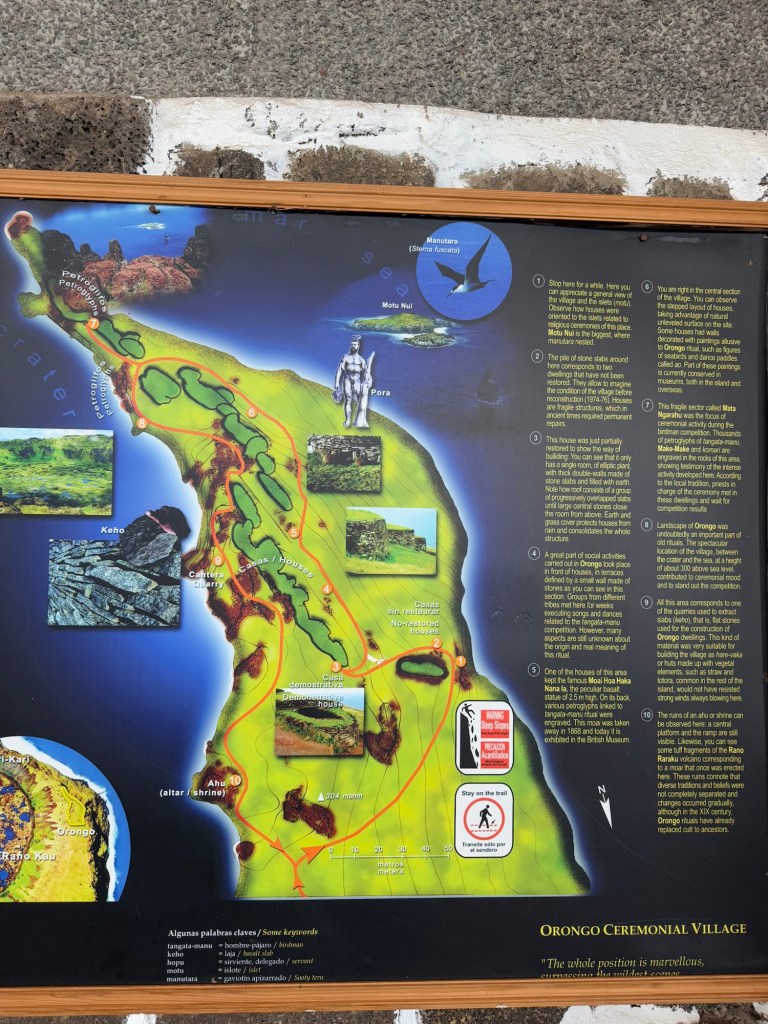
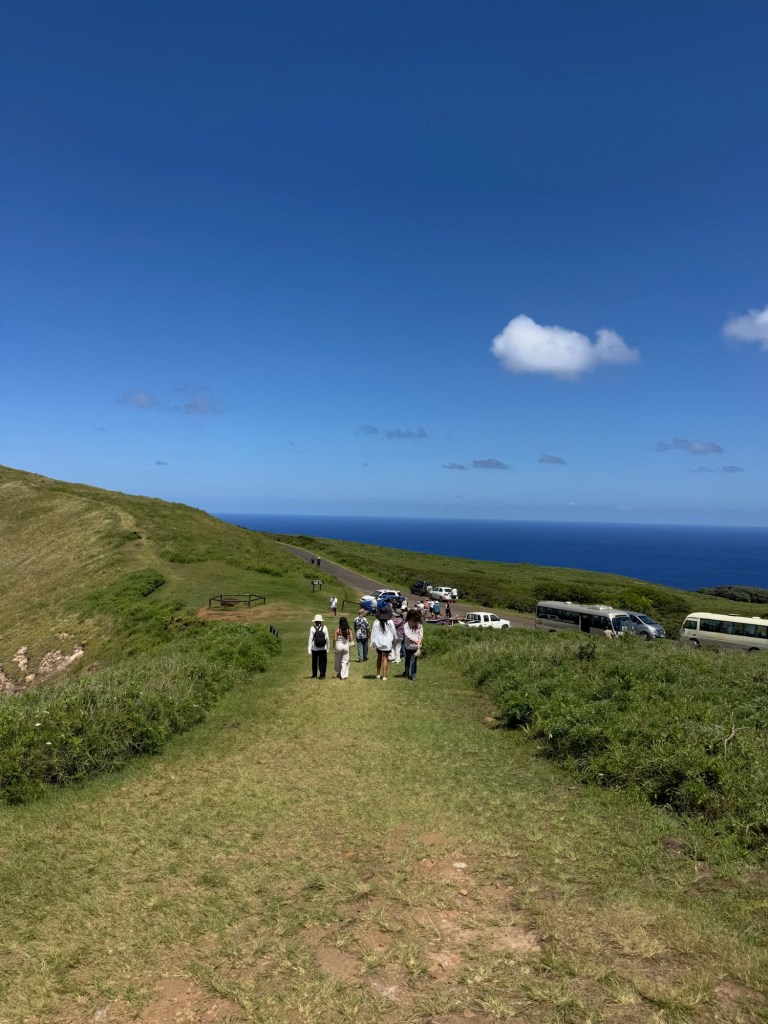
Orongo – a ceremonial village and site of the Birdman competition. Red Bull once proposed recreating it, but the idea was rejected for being too dangerous.
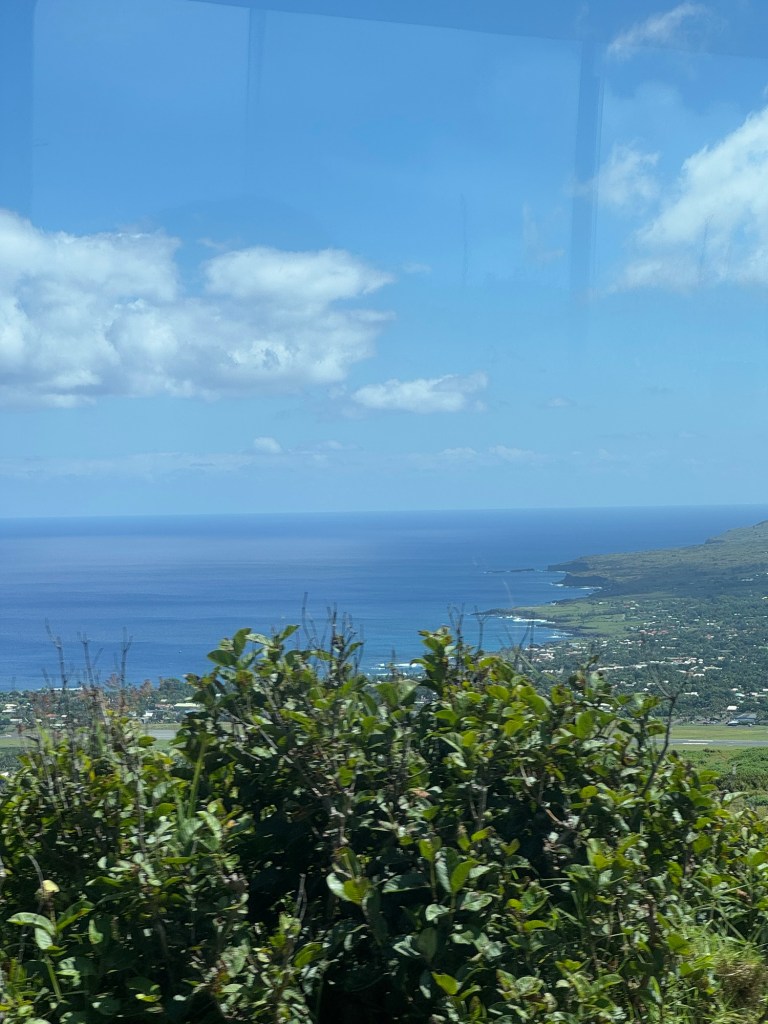
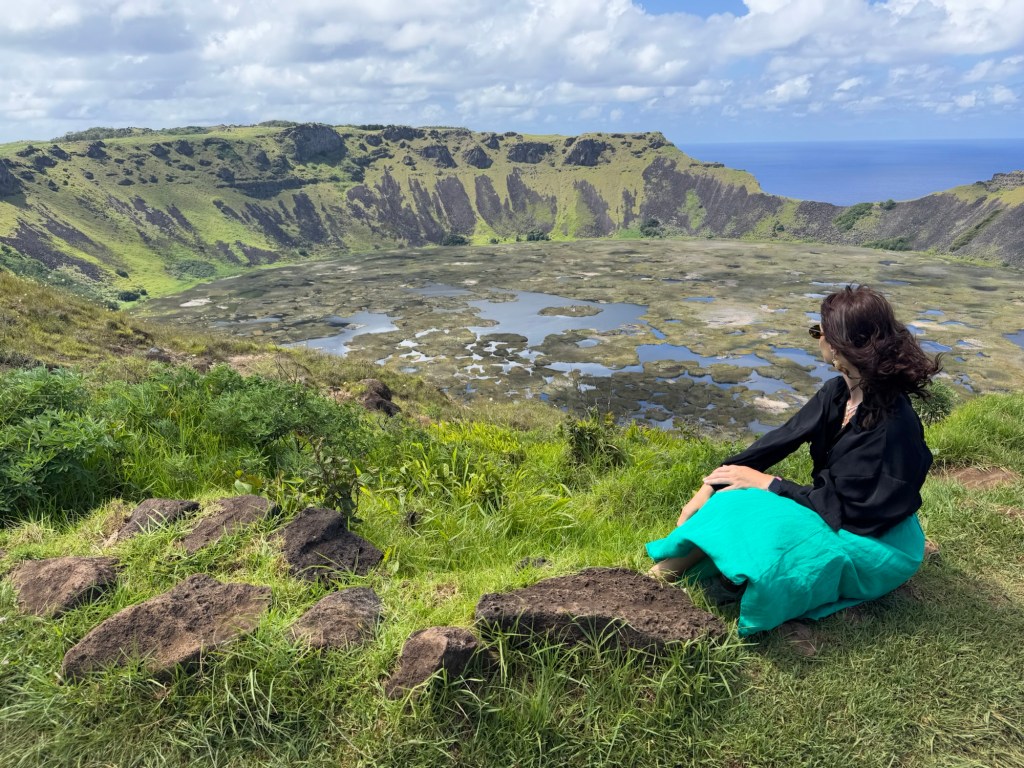
Rano Kau – an extinct volcano with an impressive crater.
Vinapu – the “Inca Wall,” with stonework similar to that of Peru.
Huri a Urenga – a Moai with two pairs of hands.
Puna Pau – the quarry where the Moai hats (pukao) were carved.
Ahu Akivi – seven Moai with astronomical alignment. These are the only ones facing the sea.
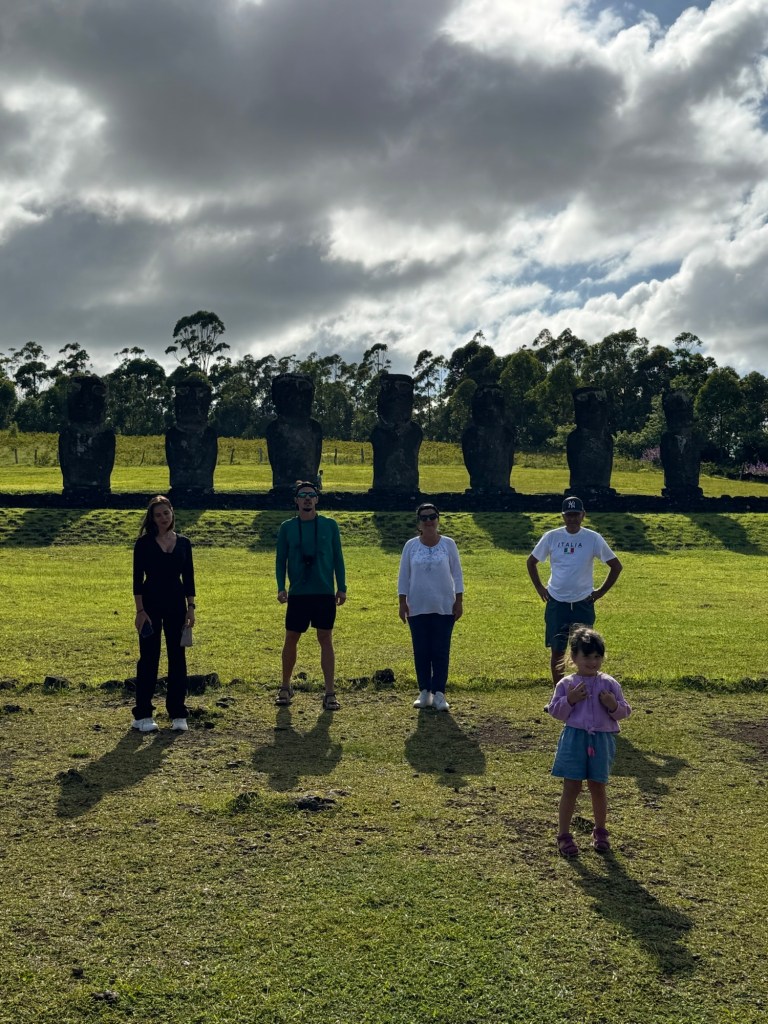
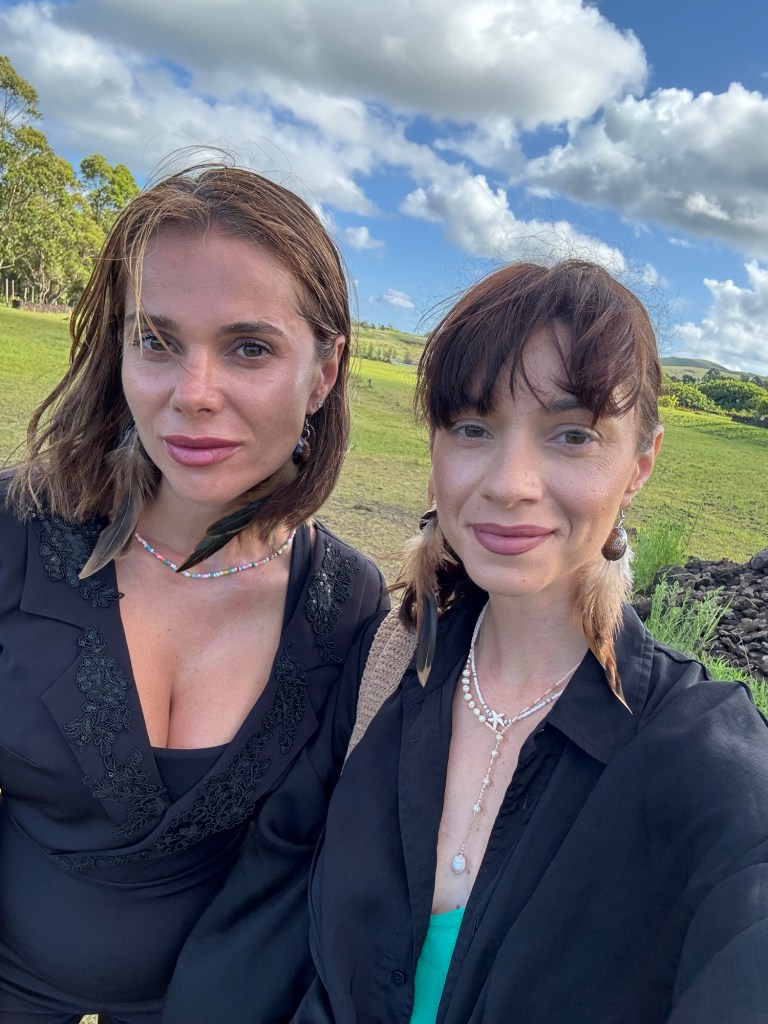
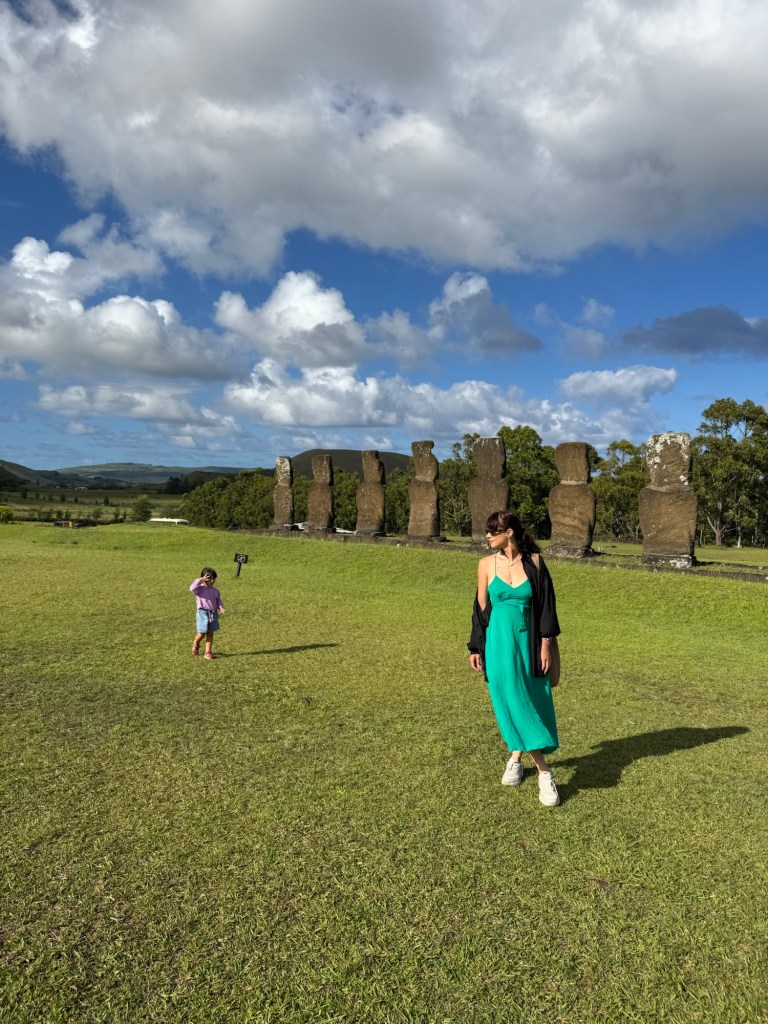
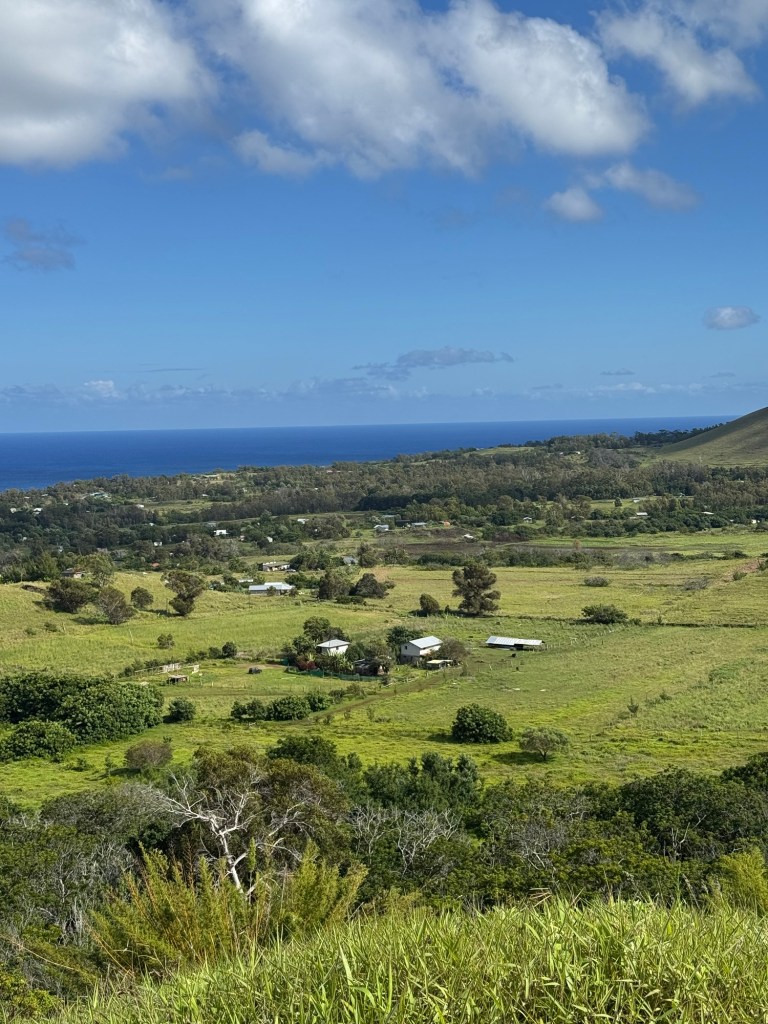
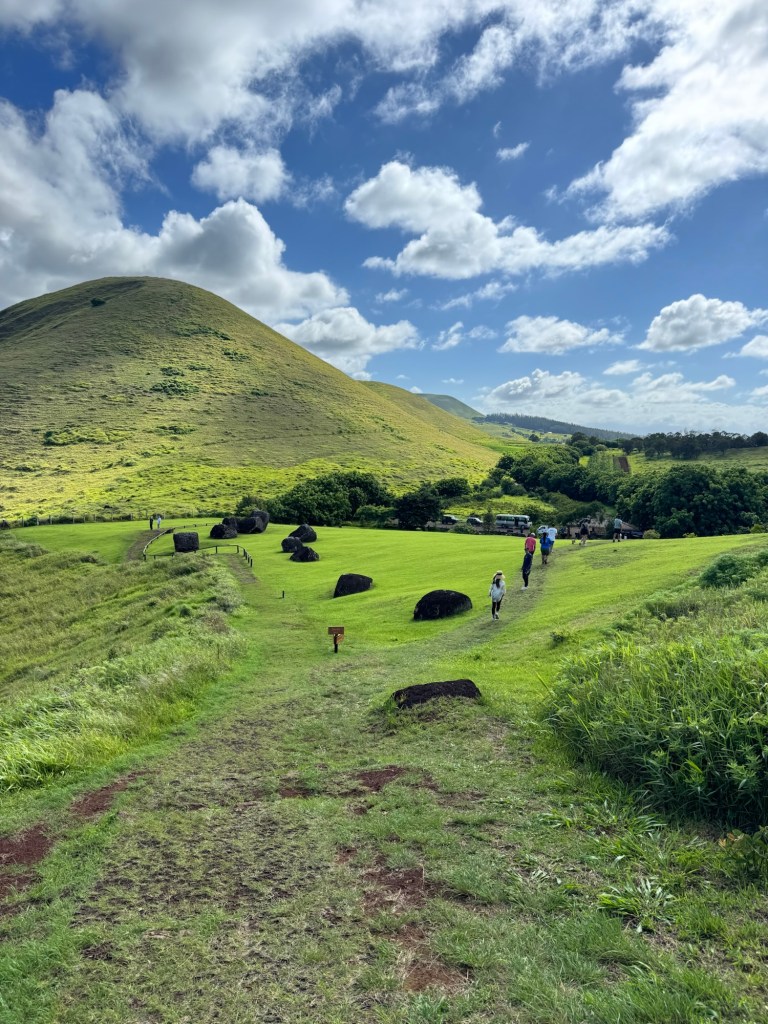
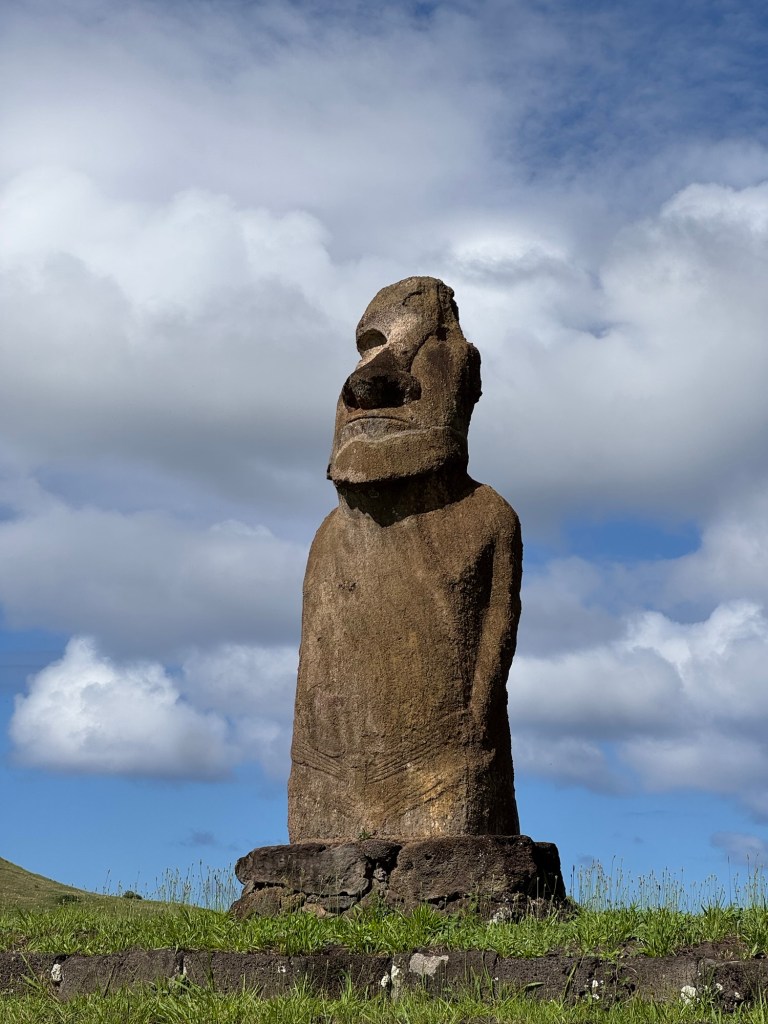
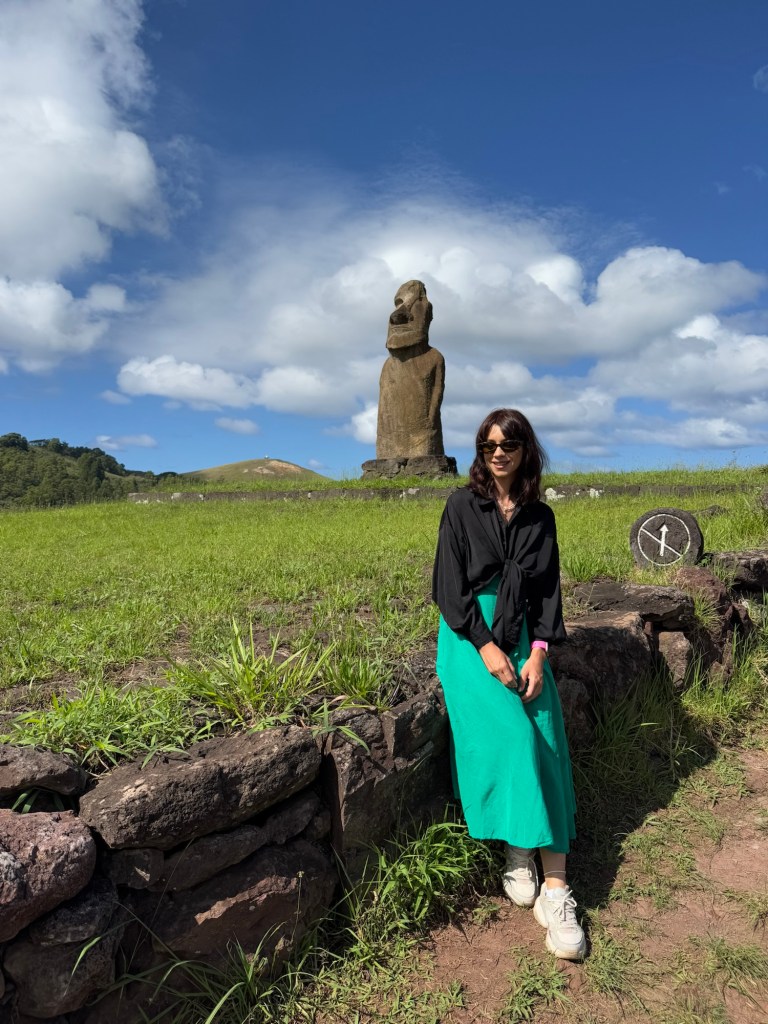
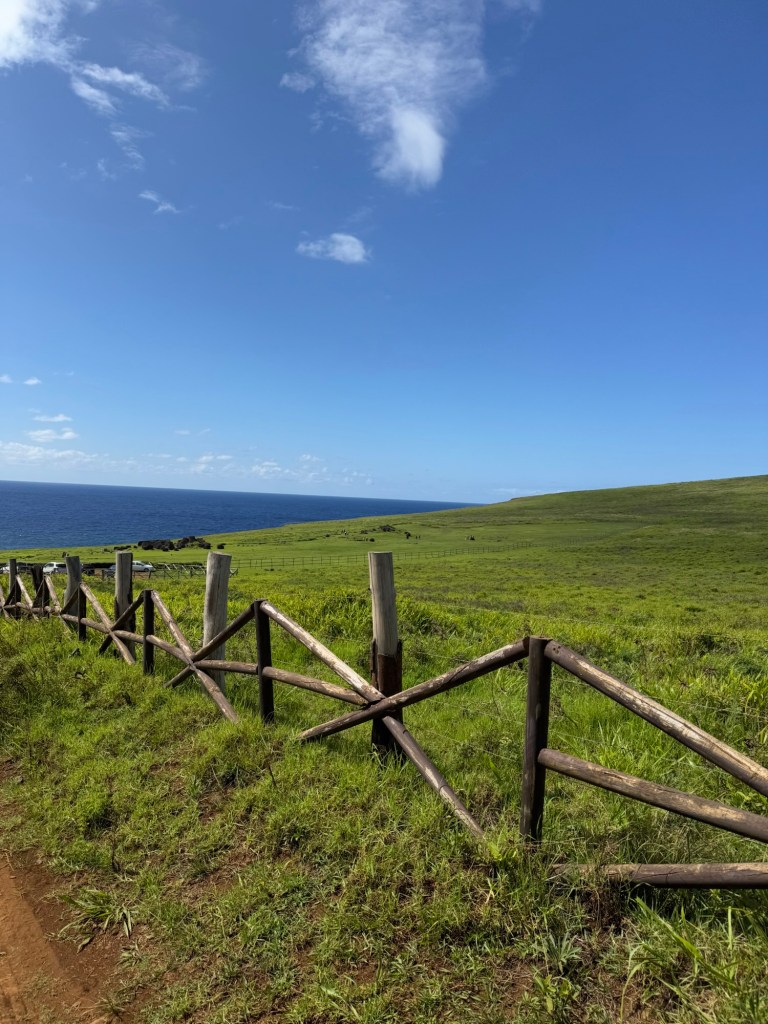
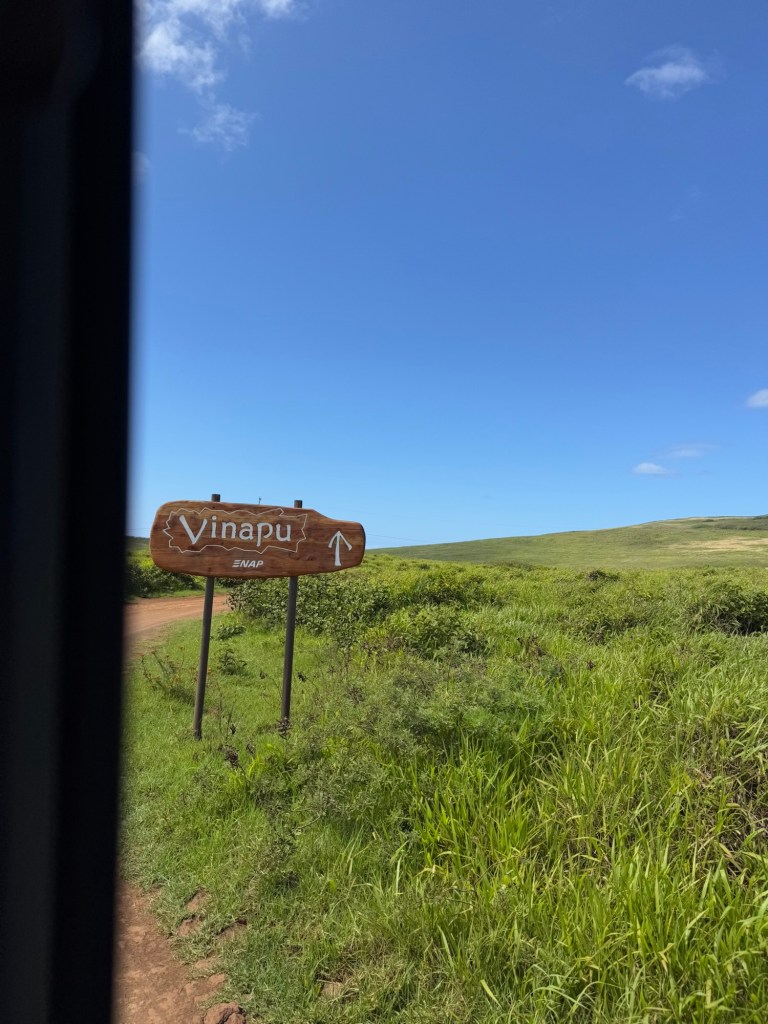
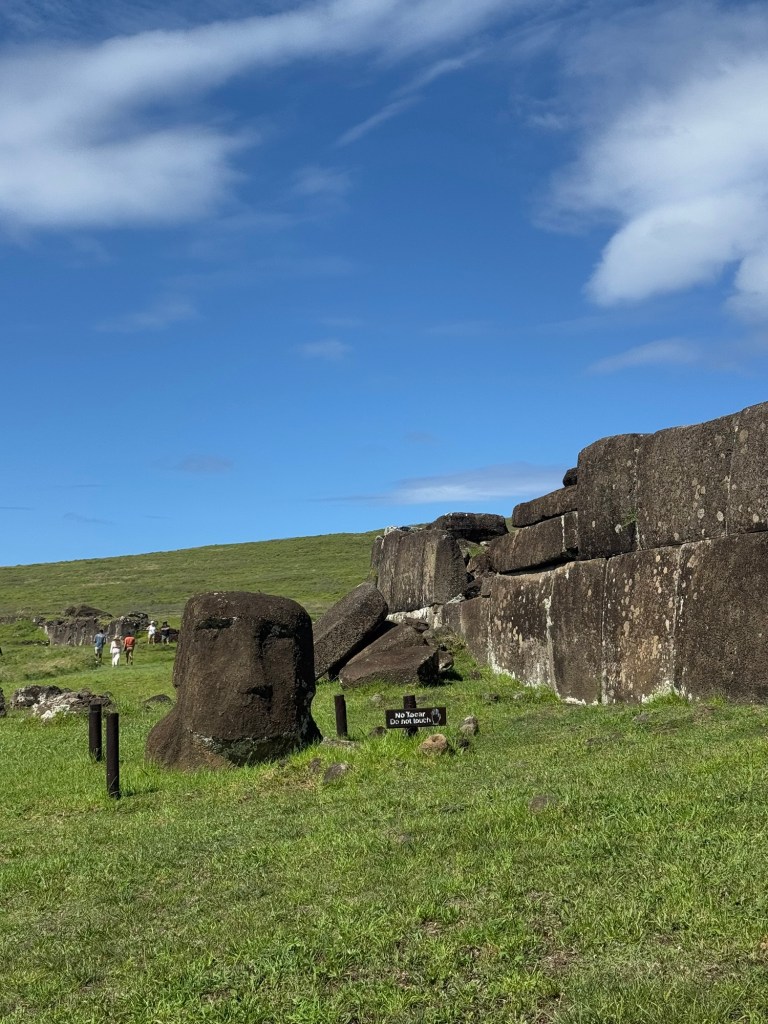
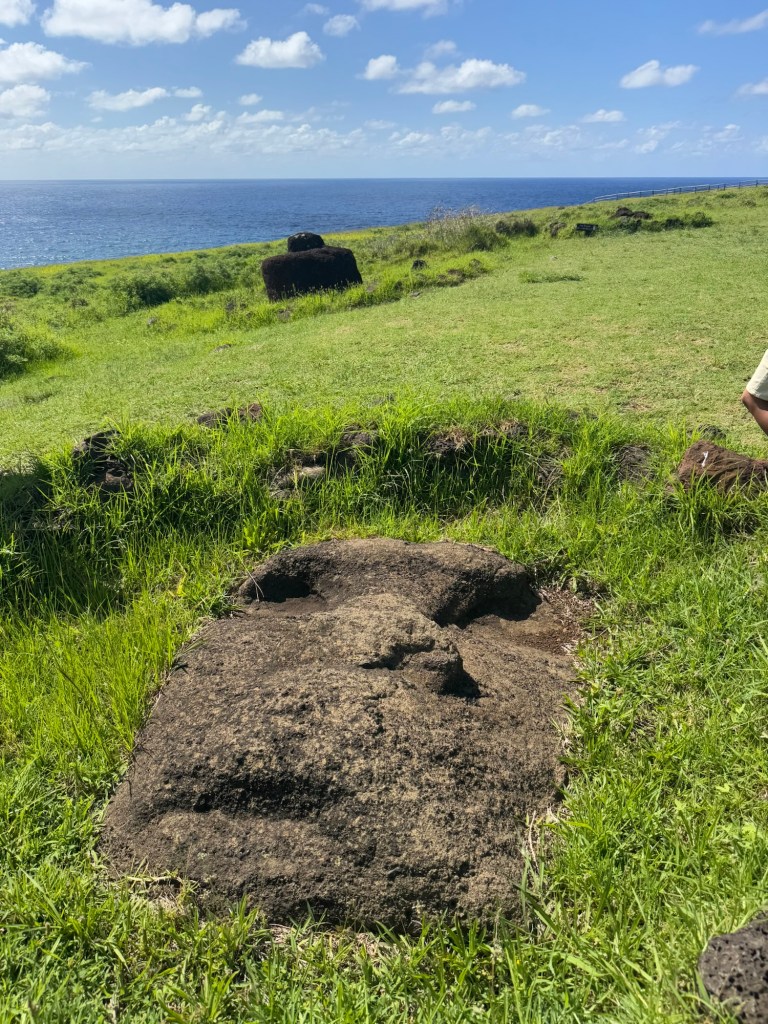
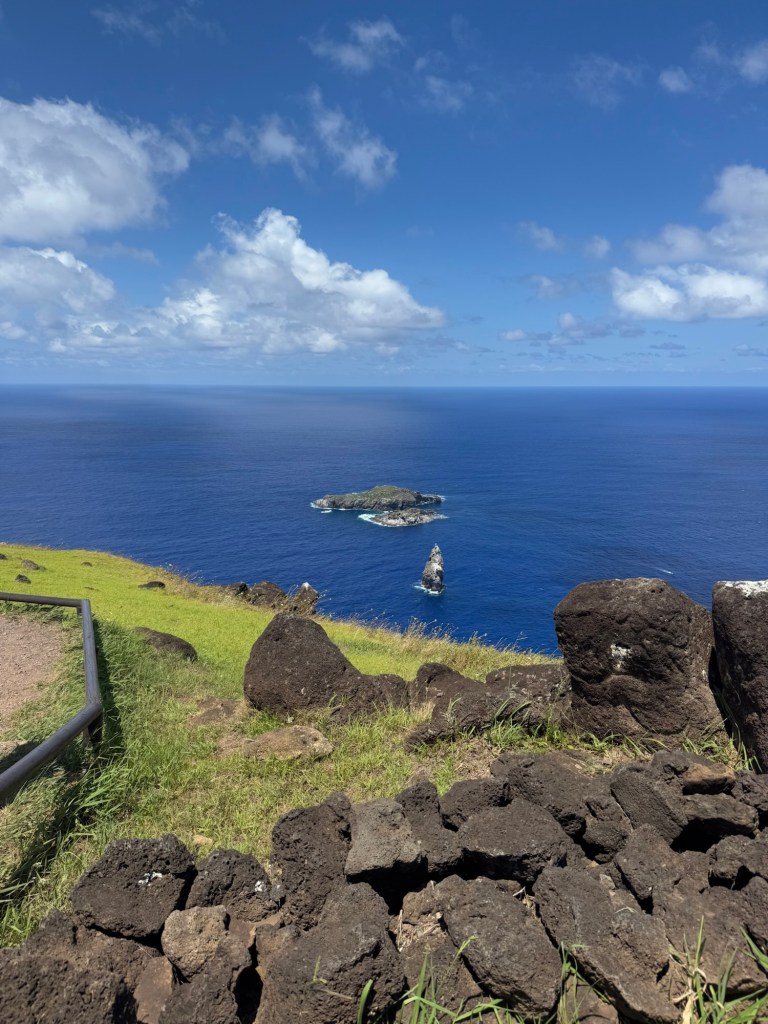
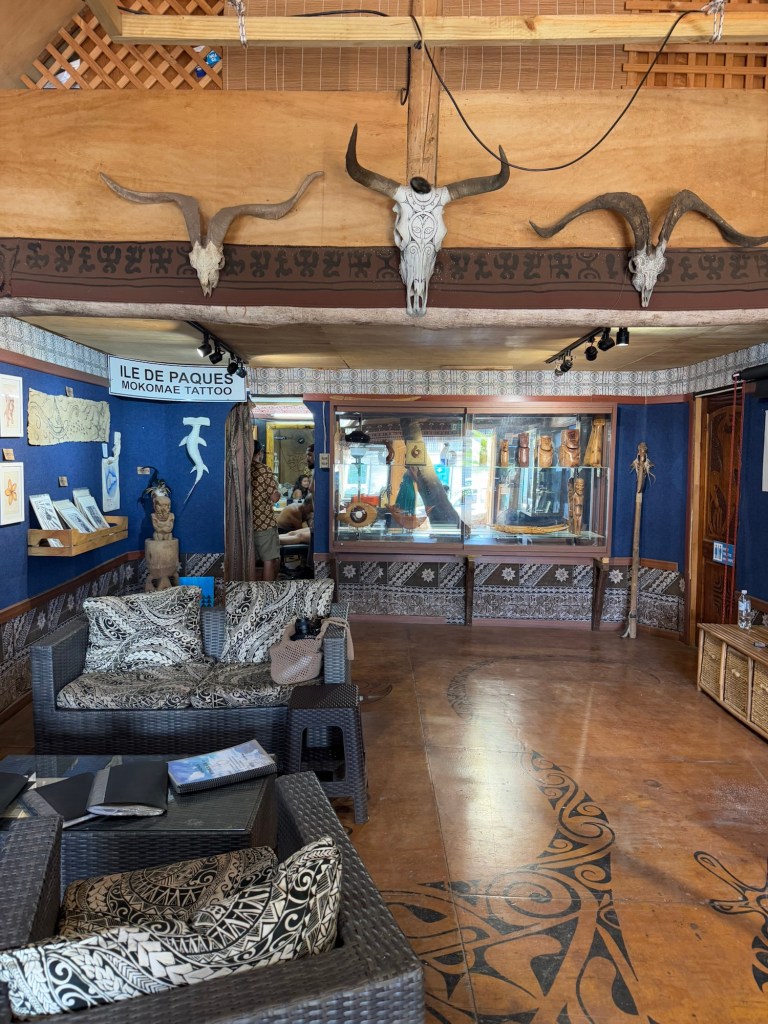
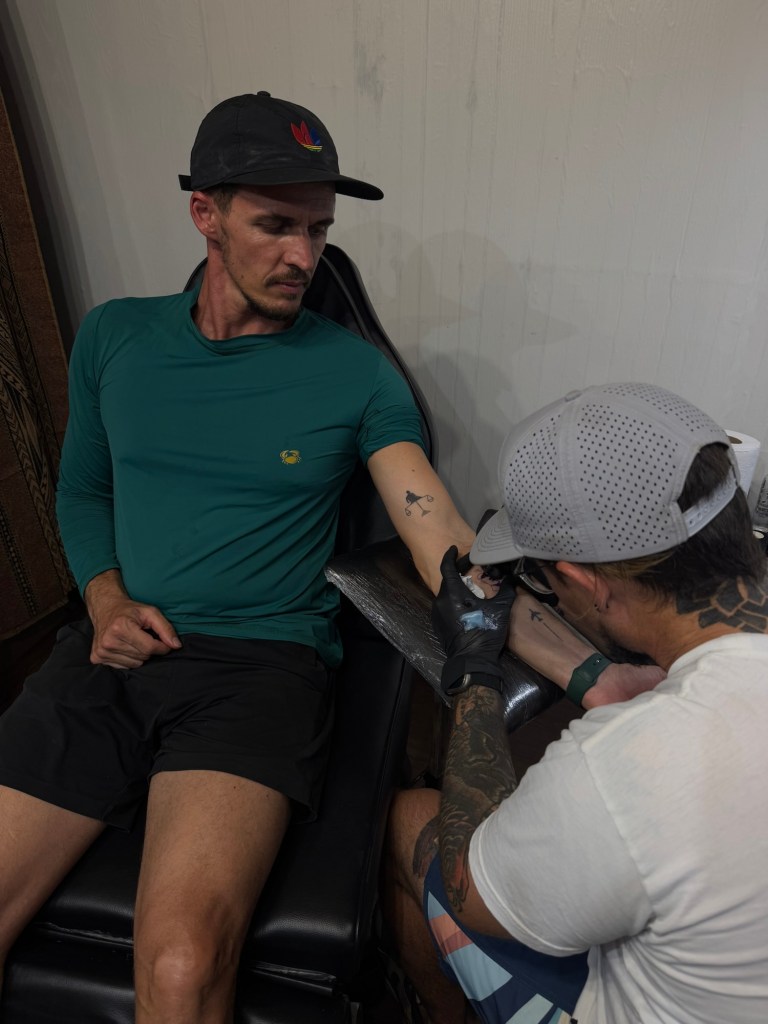
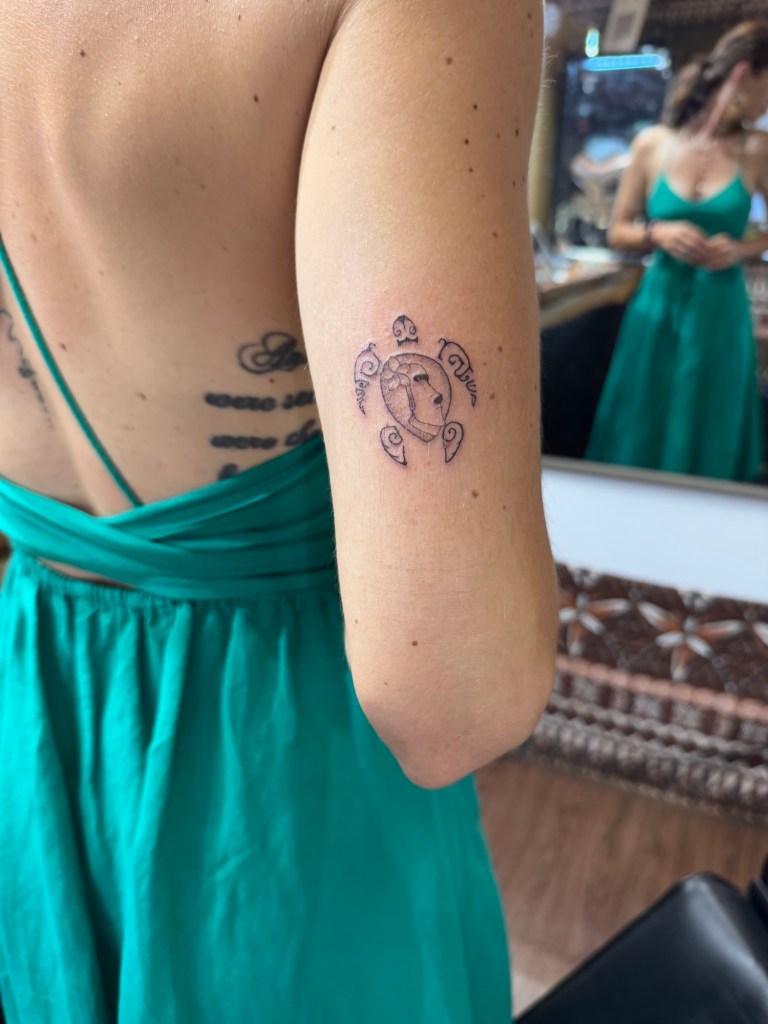
By this point, we were completely in love with Rapa Nui, so to celebrate the moment, we decided to get a tattoo right there on the island. That’s how we met Pablo, a local artist who listened with heart and translated our feelings into the most delicate mini tattoos. A piece of Rapa Nui now travels with us, inked into our skin. Thank you, Pablo!
After that, we had dinner at Taha Tai.

Day 5: Sunrise at Ahu Tongariki (05:15–08:45) and departure
The morning started quite early. At 5 o’clock we were already awake and ready to go and experience more magic.
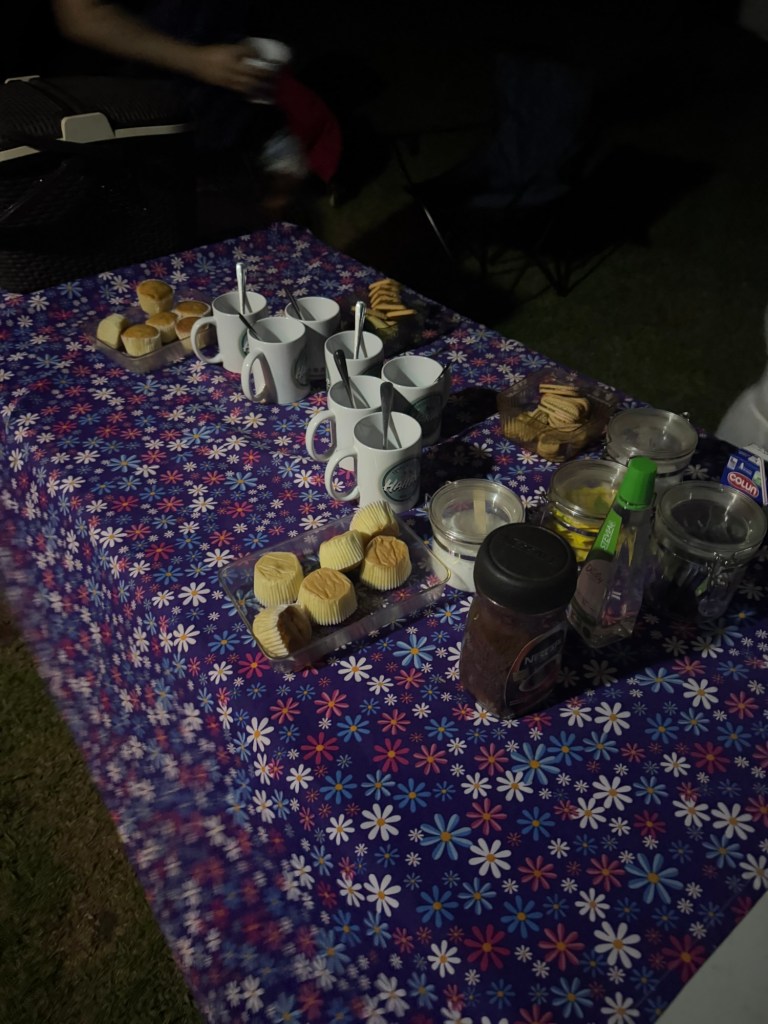
The mini van picked us up and after riding for about 30 minutes, we have arrived at Ahu Tongariki. We stopped there just before dawn, and while the sky was still dark, our guides set up a simple breakfast – sweets and hot coffee. Once we’d eaten, we entered the site, each of us caring a small chair to sit and wait for the sun to rise between the moais. There weren’t many people there, but the energy was warm. Someone brought a guitar and played traditional music and in the sun light, everything felt perfectly beautiful.
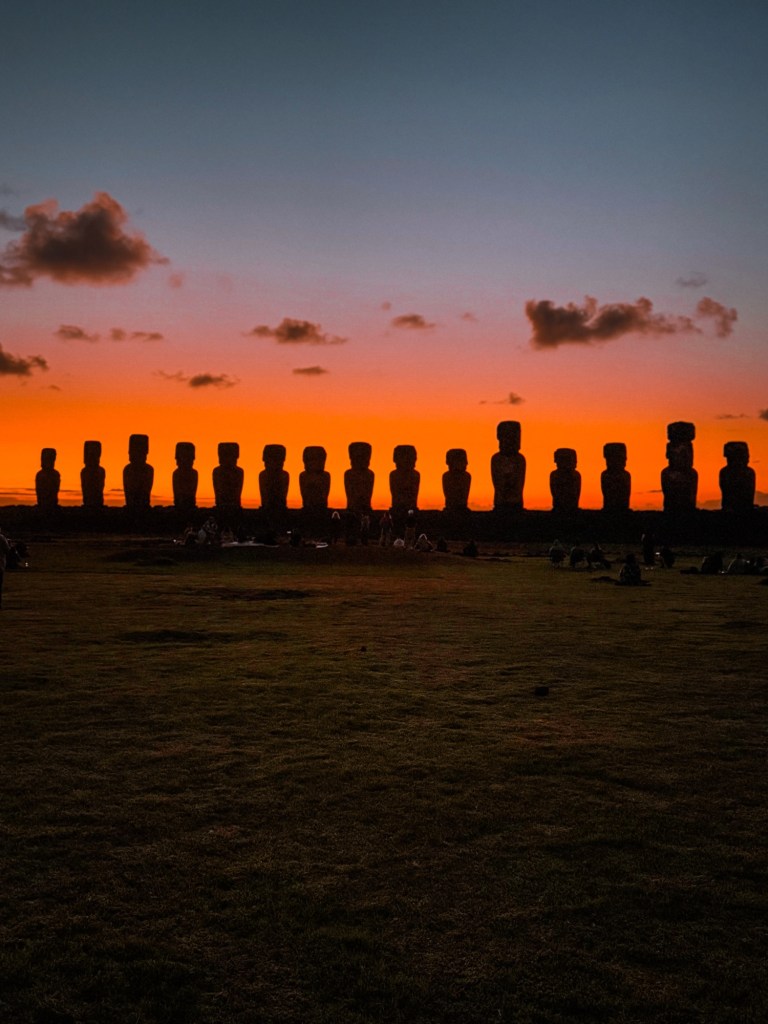
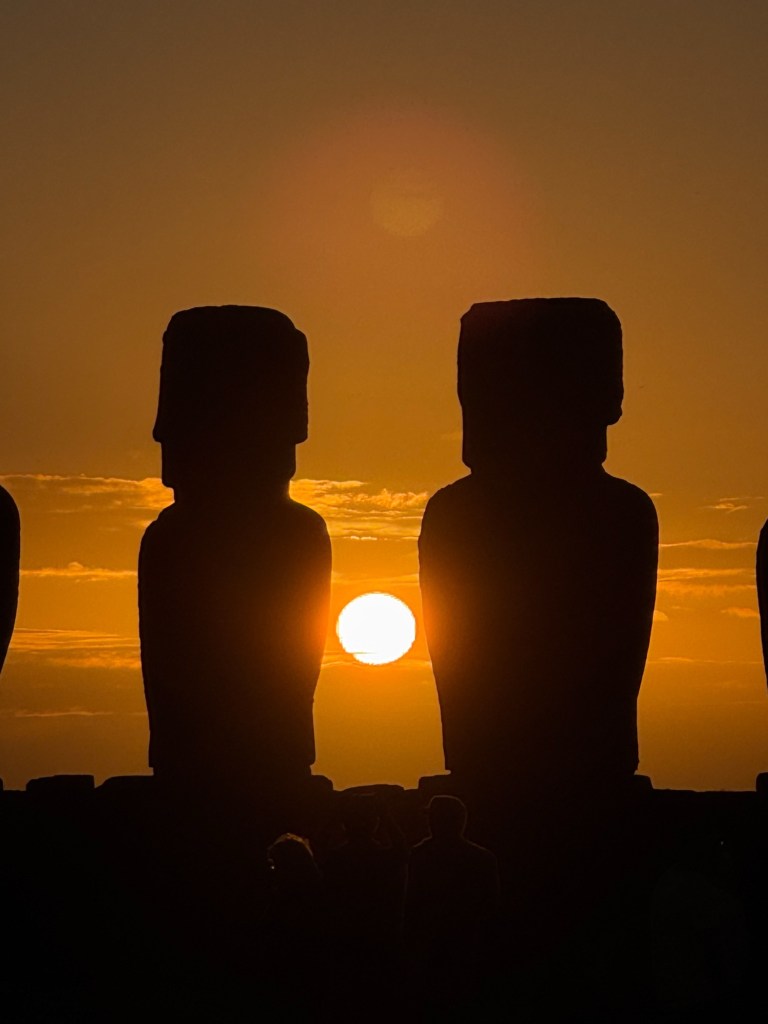
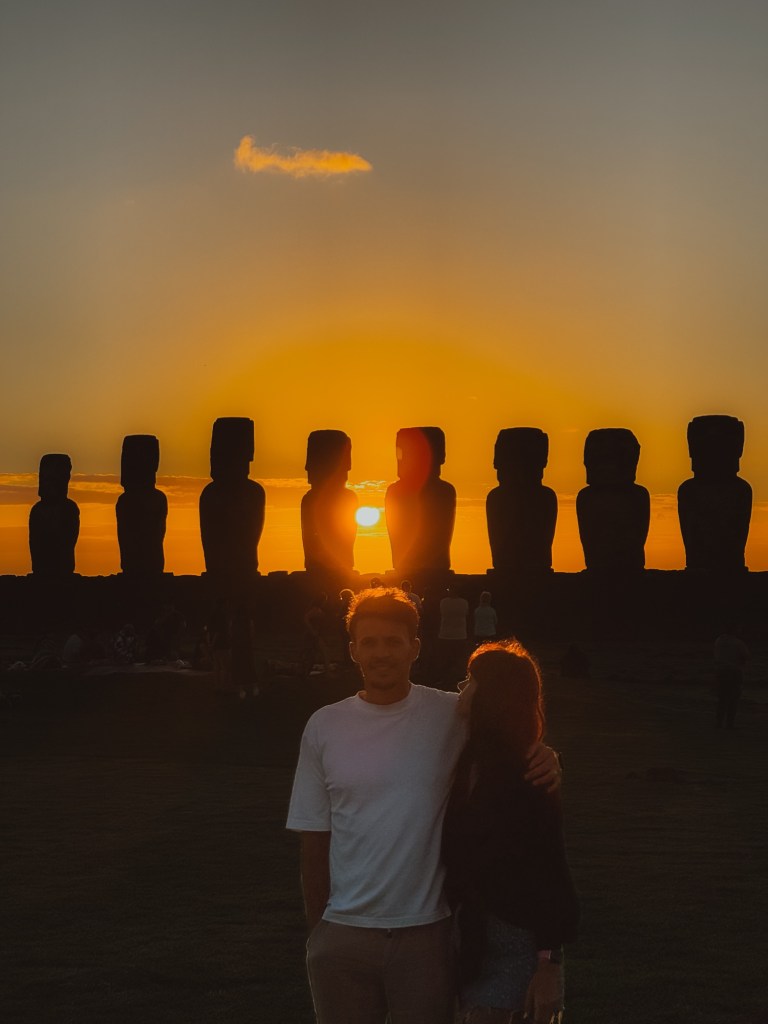
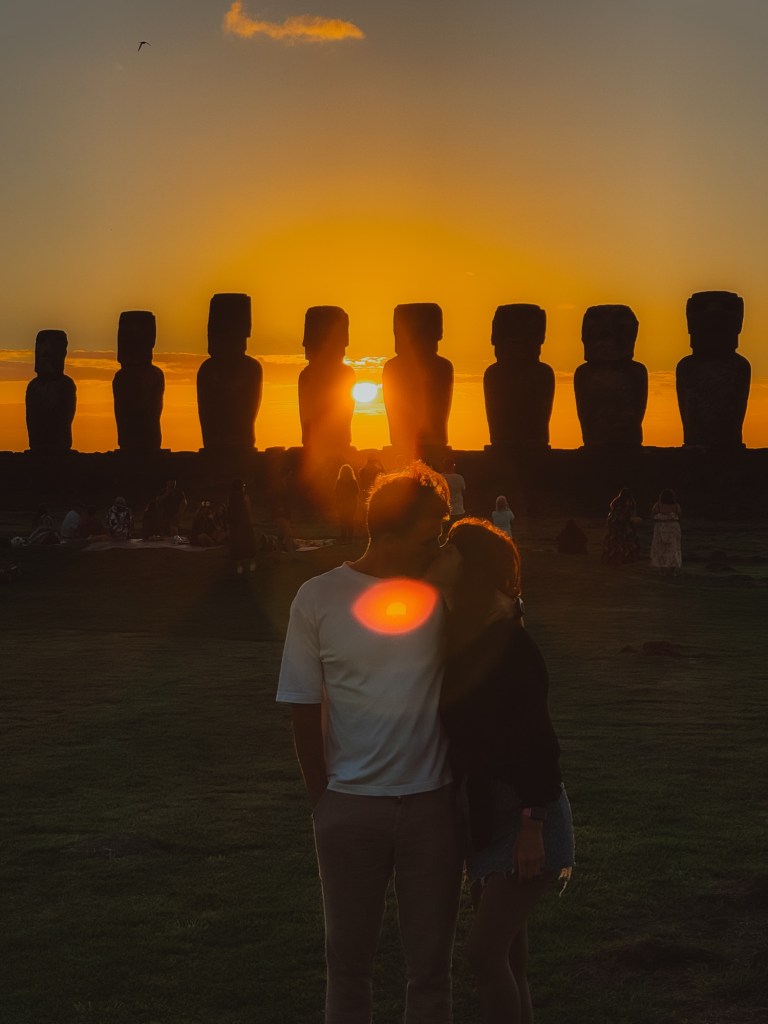
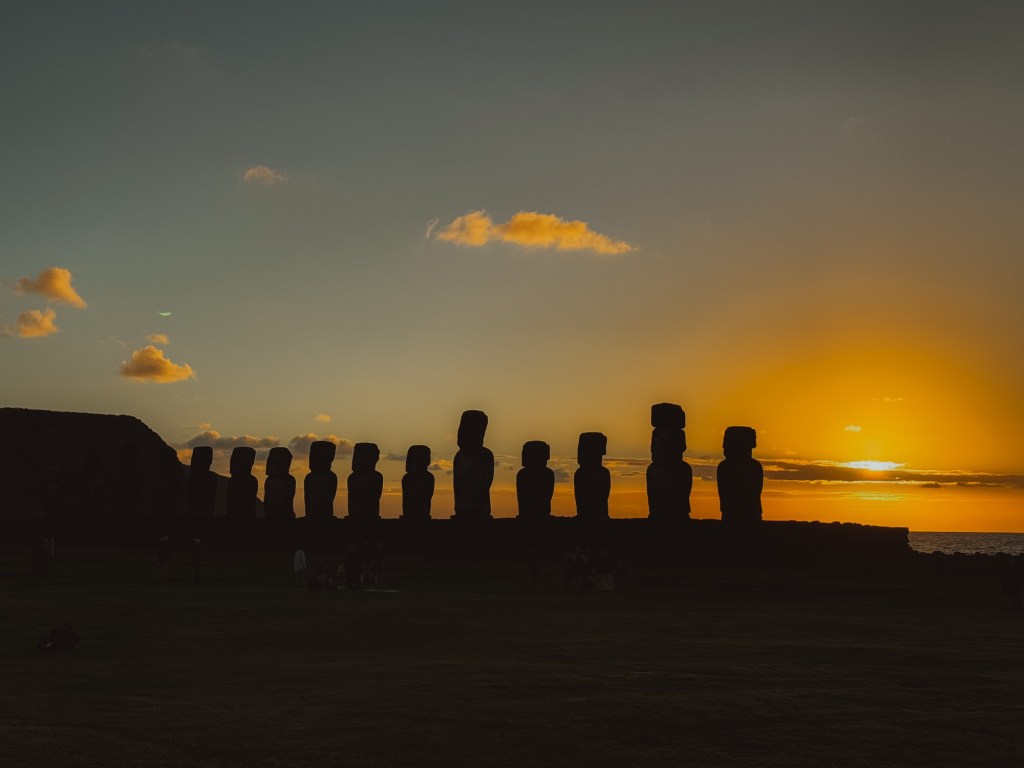
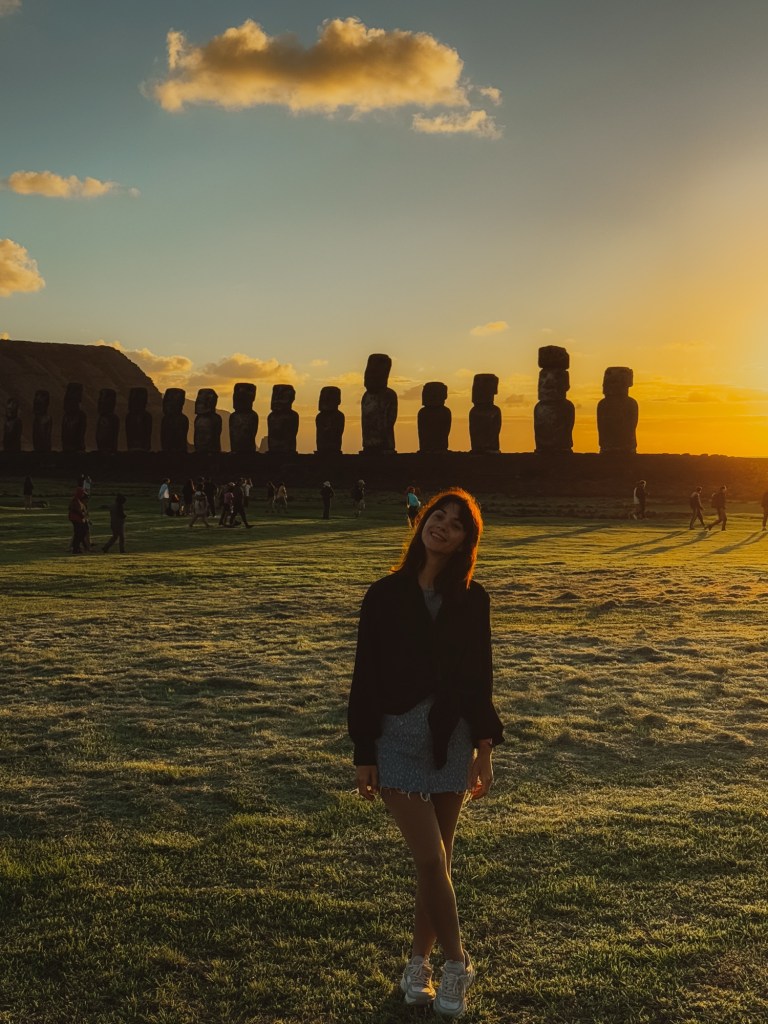
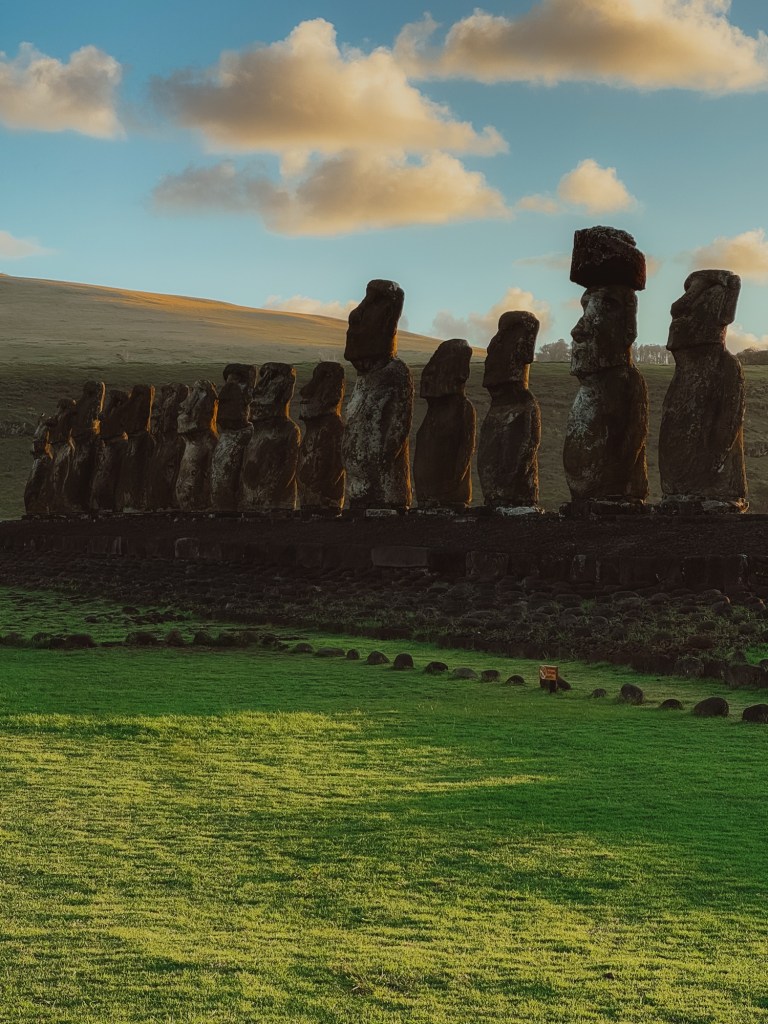
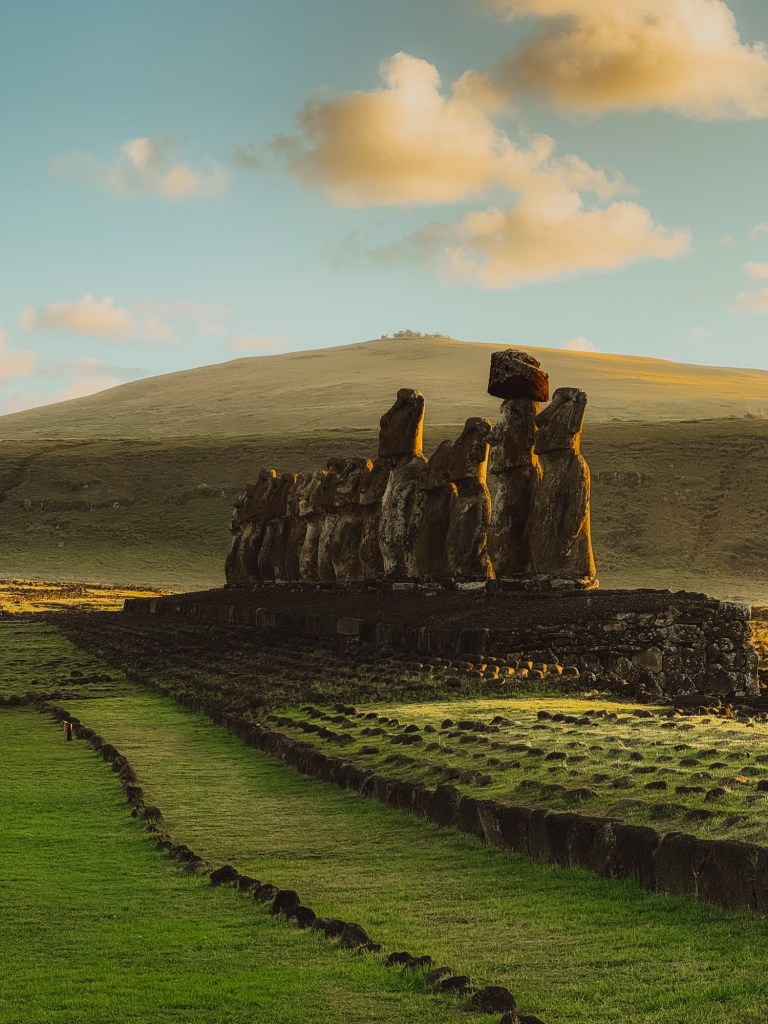
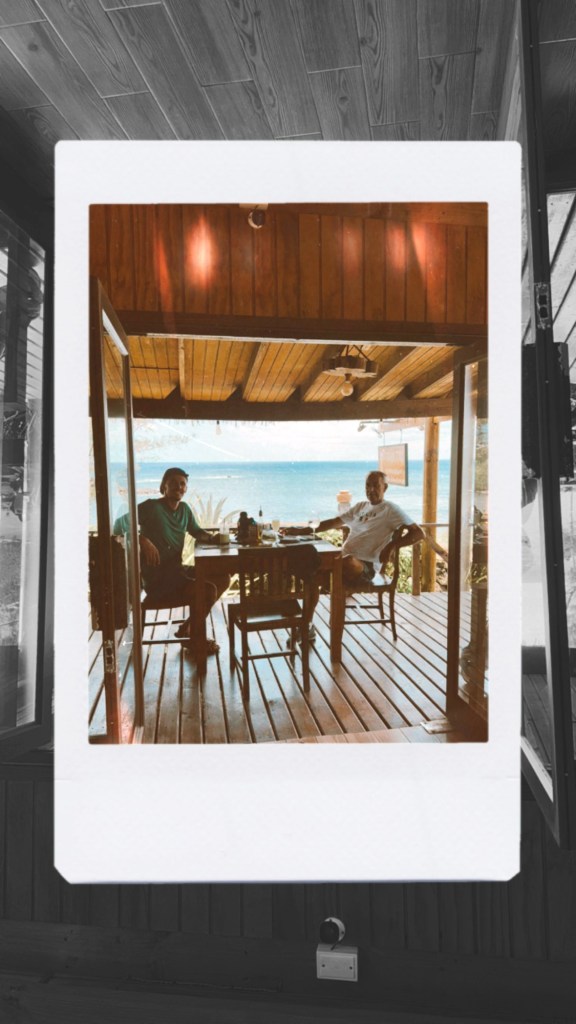
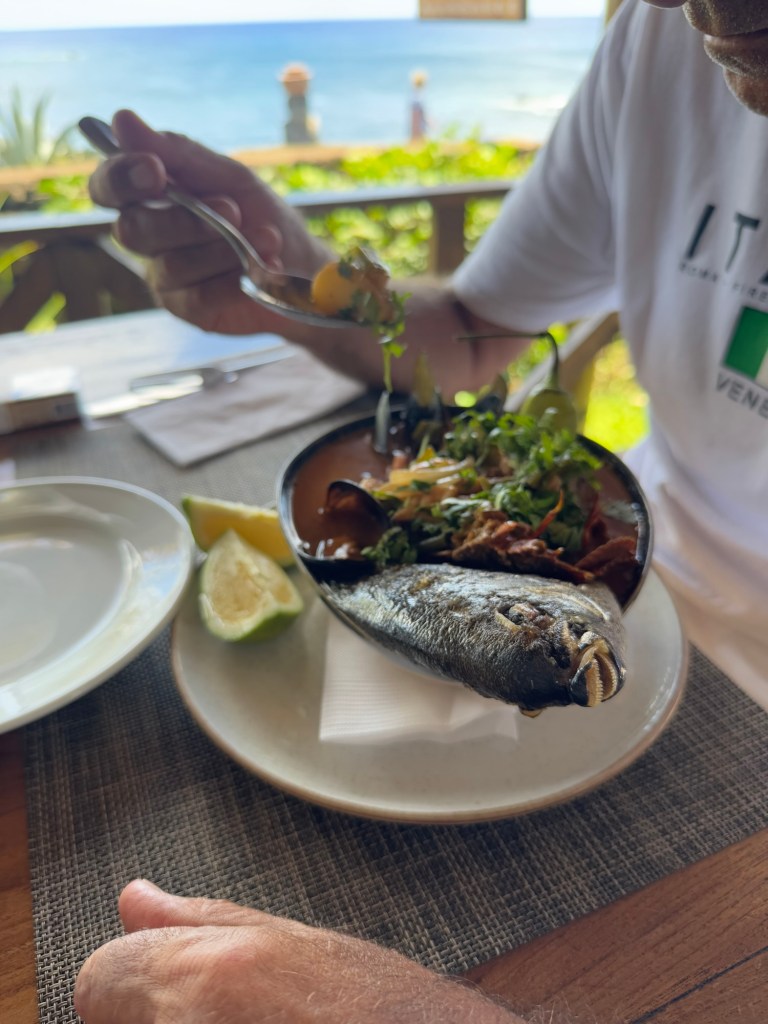
After the sunrise, we returned to our guesthouse with full hearts. We packed our bags slowly, not quite ready to leave this island. For our final meal, we had lunch at Te Moana, savoring the flavors of the sea one last time with the sound of waves just beyond our table.
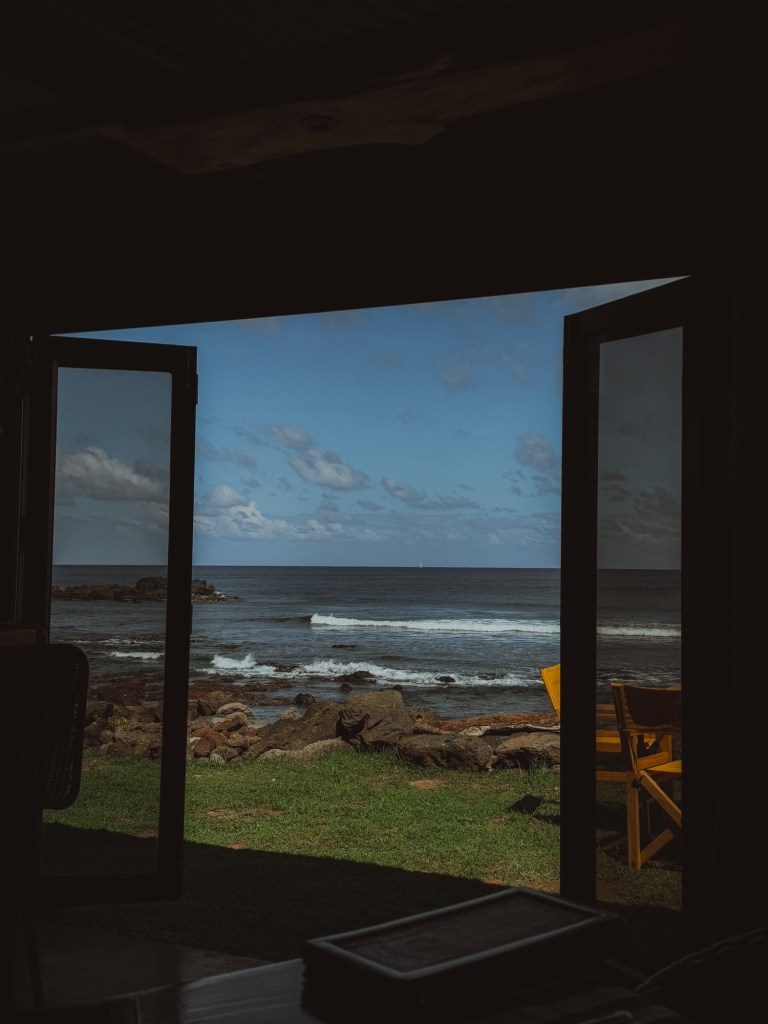
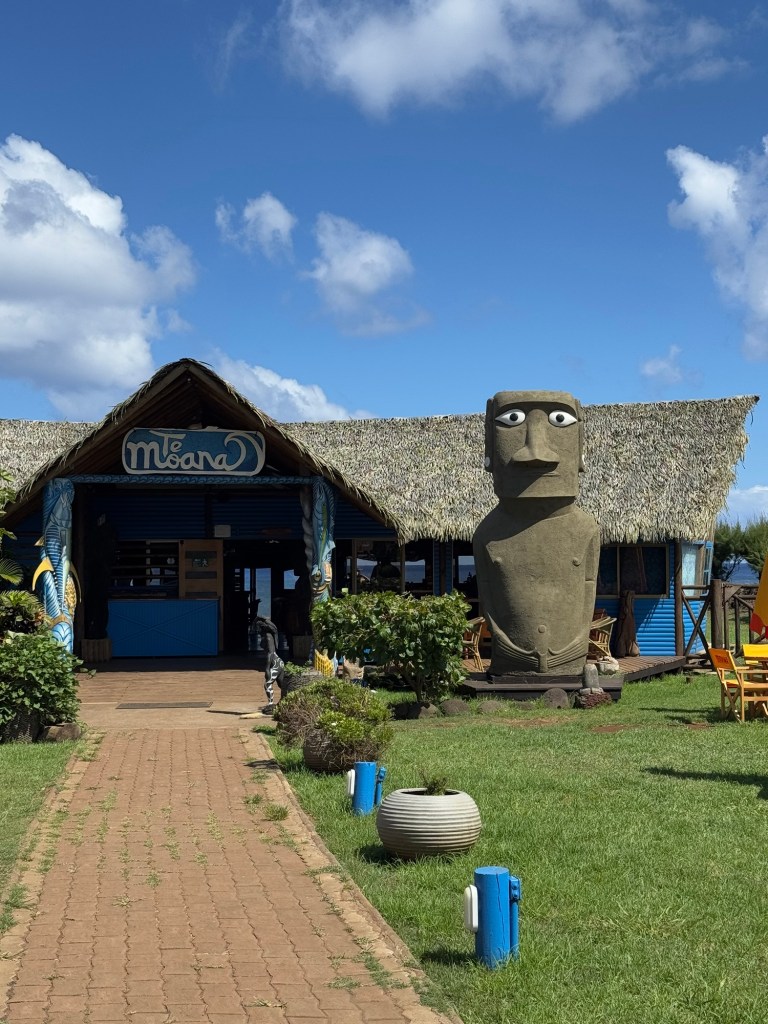
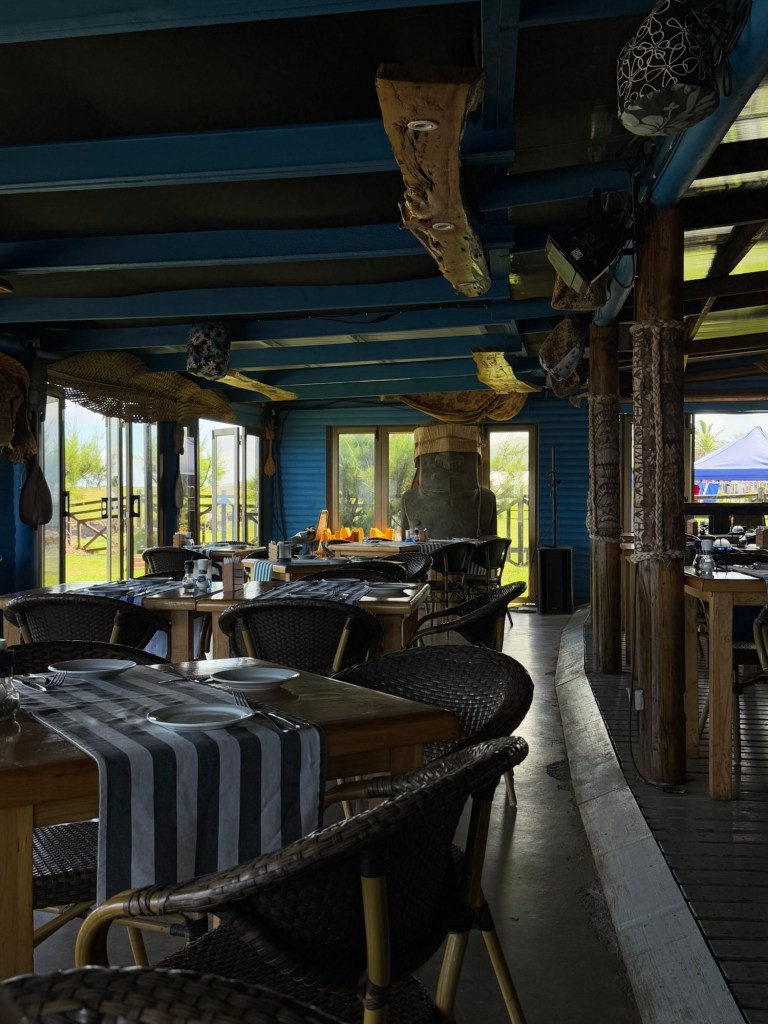
Then, it was time to head to the airport — that bittersweet moment every traveler knows.
Interesting things we discovered about Rapa Nui while being there
1. Rapa Nui is mostly pollution-free and has some of the clearest ocean waters in the world.
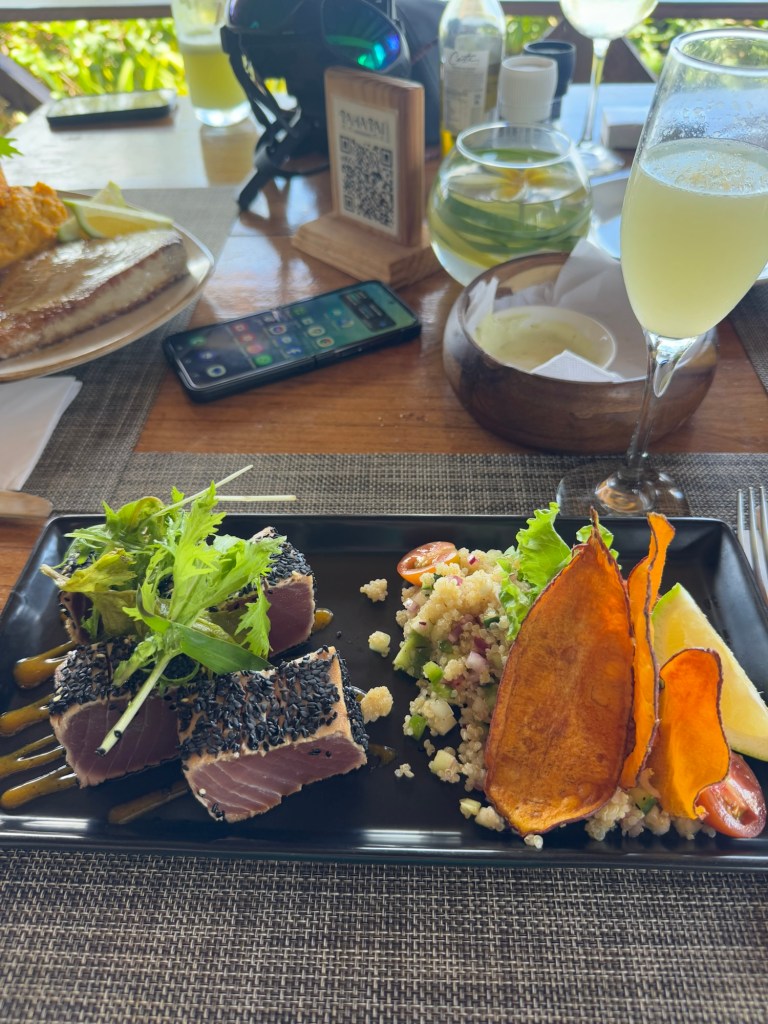
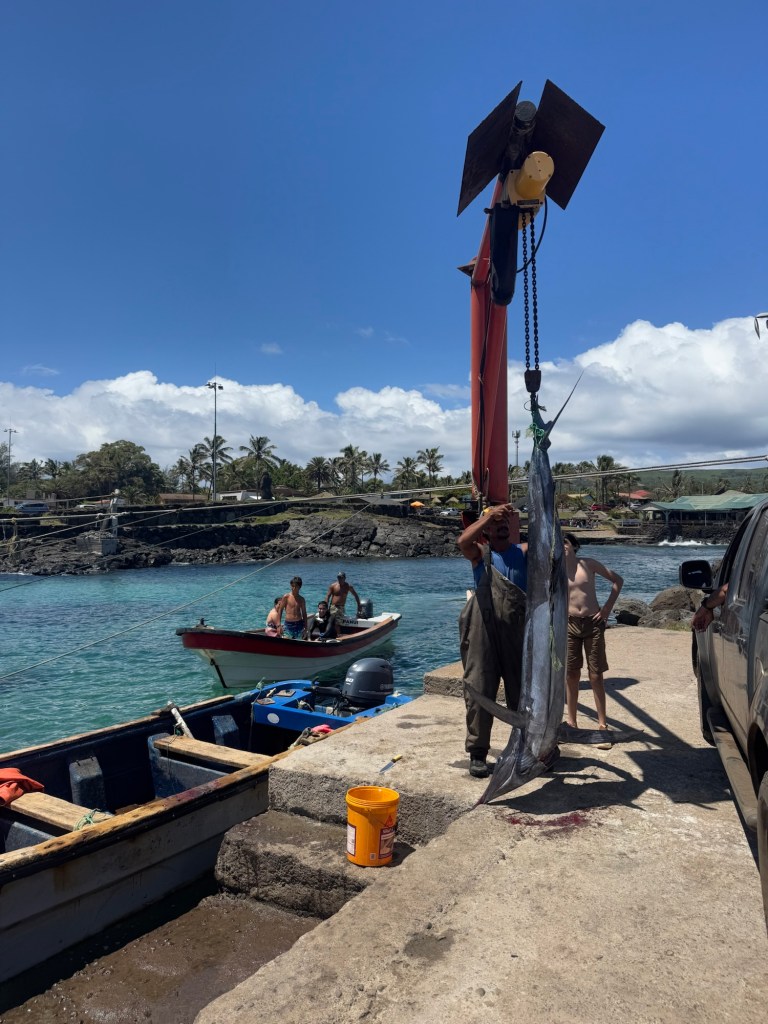
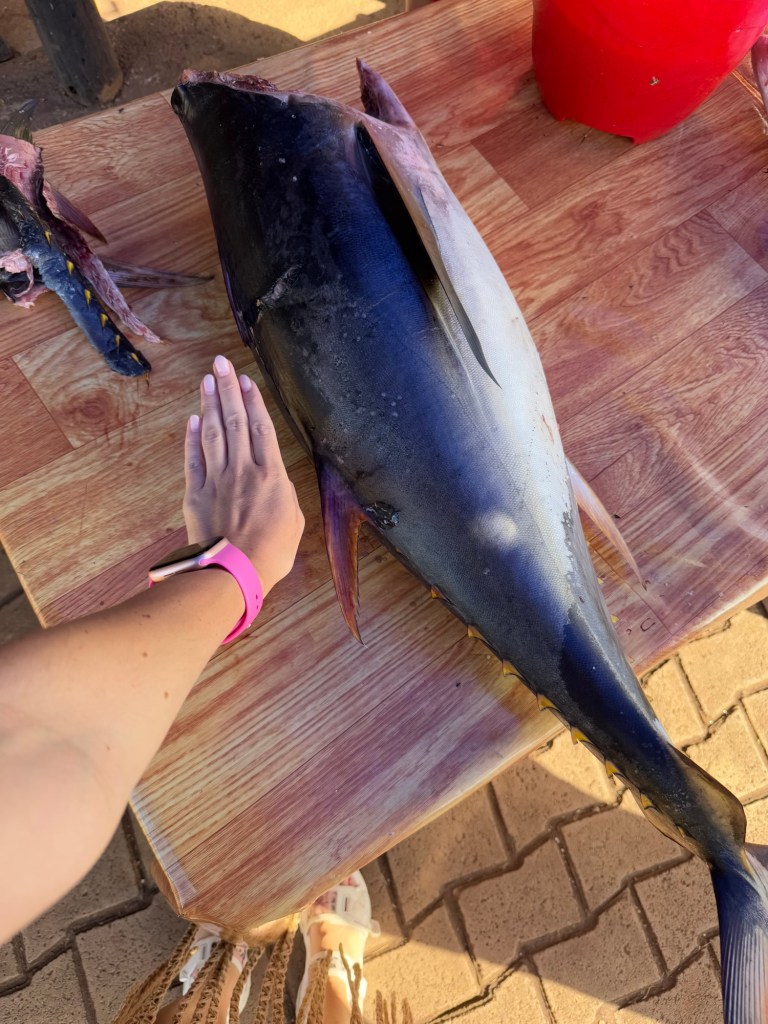
The water surrounding the island is incredibly clear—visibility can reach up to 60 meters in ideal conditions. Industrial fishing is strictly prohibited in the island’s marine protected area (the Rapa Nui Marine Park), but illegal fishing attempts—especially by foreign vessels like China’s—do happen. Locals are only allowed to fish for their own consumption, and the tuna I ate there was the most delicious I’ve ever tasted.

2. After centuries of civil war, epidemics, slave raids, famine, and deforestation, only 111 Rapanui people remained by 1877.
Today, about 8000 people live on the island, and roughly half identify as indigenous Rapanui, often tracing their ancestry back to the 111 survivors. By law, only Rapanui can own land on Easter Island, though enforcement is inconsistent. You can’t move to the island permanently (not even as a Chilean citizen) unless you marry a Rapanui person. The Rapanui people continue to push for greater land sovereignty and control over ancestral lands.
3. Most of Rapanui history is based on oral tradition.
Stories, genealogies, and cultural practices have been passed down through generations by word of mouth. It’s difficult to preserve oral history in modern times, but Rapanui people are actively teaching their children about their heritage. Rapa Nui is deeply Polynesian, in culture, language, and traditions — it has very little to do with Latin America, despite being politically part of Chile.
4. There are around 900 moai statues on the island, and more than half of them are located at Rano Raraku — the “Moai Factory.”
There is one moai known as “The Traveler,” which was sent to Osaka, Japan, as a token of gratitude for Japan’s help in moai restoration efforts. Additionally, there are two well-known moai abroad: one at the British Museum and one at the Louvre. In total, 12 moai are confirmed to have been removed from Rapa Nui and remain overseas, some in undisclosed locations.
5. Easter Island is a province of Chile and part of the Valparaíso Region.
It has a Chilean-appointed governor, but also a local government in Hanga Roa, with elected councilors and a mayor. However, many important decisions are guided by the Rapanui Council of Elders, a traditional authority respected by the community.
6. The supernatural power of Rapa Nui — mana.
In Rapanui (and broader Polynesian) culture, mana is a spiritual force — a powerful energy that flows through the land, sea, sky, people, and even objects. It represents strength, wisdom, and ancestral connection. I felt the mana all over the island — as if I was infused with it. I truly left a piece of my heart there, in the middle of the ocean.
Mauru-uru!

 Theography
Leave a comment